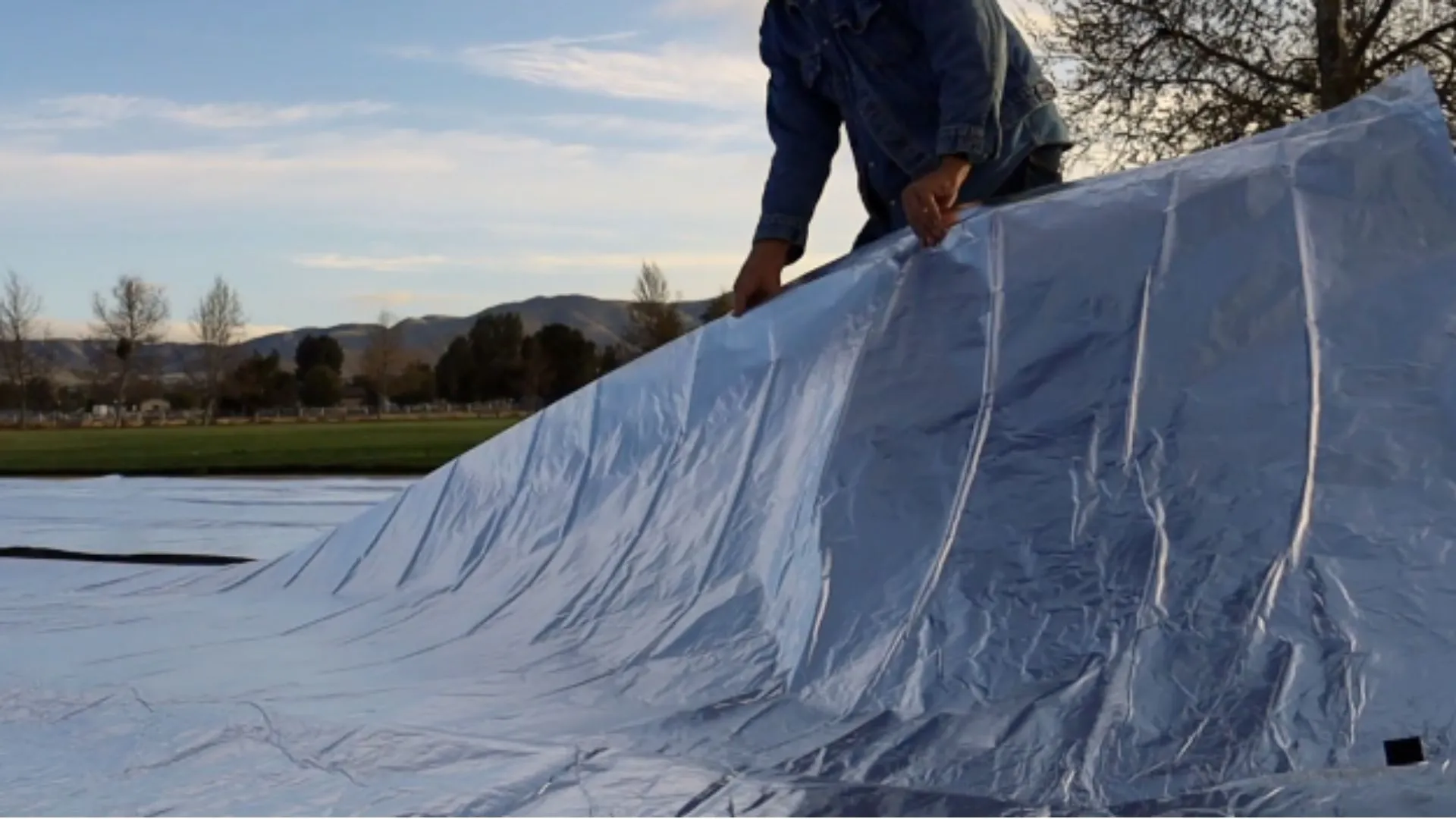

There’s a lot of misinformation out there about wildfire protection, and some of it is downright dangerous. One of the most common myths is that a simple fire blanket can save a house. This is completely false. A fire blanket is for a small kitchen fire, not a wildfire. Protecting a structure requires an engineered fire shield, like those made from aluminized materials that reflect radiant heat. This guide cuts through the noise to give you the facts. We’ll explain what it truly means to be WUI compliant, focusing on proven methods and materials that genuinely harden your home against ignition.
Key Takeaways
- Treat WUI Compliance as a Necessity, Not an Option: Following WUI standards is the most effective way to protect your home, satisfy insurance requirements, and strengthen your community’s overall fire defense.
- A Layered Defense is Your Best Defense: True wildfire protection requires a combination of using fire-resistant building materials, maintaining a clear zone of defensible space, and sealing small entry points to block embers.
- Use the Right Tools and Get Expert Advice: A small fire blanket cannot protect a house from a wildfire; you need an engineered fire shield designed for structures. Always consult local fire professionals to understand your specific codes and create the most effective plan.
What Does It Mean to Be WUI Compliant?
If you live in an area where developed land meets the wilderness, you’ve probably heard the term “WUI compliant.” It’s more than just a technical phrase; it’s a standard for safety. Being WUI compliant means your home and property meet specific fire safety regulations designed for these high-risk zones. Think of it as a set of rules that guide how you build and what materials you use to give your home the best possible defense against a wildfire.
Achieving compliance often involves using fire-resistant building materials, creating a buffer zone of defensible space around your home, and ensuring small details, like vents, are properly screened to block embers. Following these guidelines is essential for protecting your property, ensuring your family’s safety, and often, it’s a requirement of local building codes and even your insurance provider.
What is the Wildland-Urban Interface (WUI)?
WUI stands for Wildland-Urban Interface, which describes any area where homes and communities are built close to natural, untamed landscapes like forests or grasslands. According to FEMA, these are the zones where wildfires pose a direct threat to people and property. If your backyard borders a canyon, a dense forest, or even a large, grassy open space, you likely live in the WUI. The close proximity of flammable vegetation to structures is what makes these areas so vulnerable. Understanding whether your home is in a WUI zone is the first step toward taking the right protective measures to reduce your risk.
How Building Codes Improve Fire Safety
WUI building codes are designed to save lives and property. They aren’t just arbitrary rules; they are a direct response to the known behavior of wildfires. These codes mandate the use of ignition-resistant construction methods and materials that can withstand intense heat and flying embers. For example, the International Wildland-Urban Interface Code (IWUIC) provides a framework for local governments to establish minimum safety standards for new construction and renovations in WUI zones. By requiring things like fire-rated roofing, non-combustible siding, and proper vegetation management, these codes significantly increase a home’s ability to survive a wildfire, creating a more resilient community for everyone.
Why WUI Compliance Is a Non-Negotiable for Your Property
Understanding WUI compliance can feel overwhelming, but it’s one of the most powerful steps you can take to protect your property. It’s more than just following rules; it’s a strategic approach to wildfire defense that safeguards your home, your finances, and your entire community. Let’s break down exactly why getting compliant is so critical.
Protect Your Home, Family, and Community
At its heart, WUI compliance is about safety. The standards laid out in the International Wildland-Urban Interface Code are designed to give your home a fighting chance against wildfire. These aren’t arbitrary rules; they are based on extensive research into how structures ignite—often from wind-blown embers landing on flammable materials. By using ignition-resistant construction and creating defensible space, you drastically reduce the odds of your home catching fire. This isn’t just about protecting a building; it’s about securing a safe place for your family and gaining peace of mind in a high-risk environment. Following these guidelines is a proactive way to defend what matters most.
Meet Insurance and Legal Requirements
Beyond personal safety, WUI compliance is a practical necessity. In many wildfire-prone areas, especially states like California, adhering to WUI building codes is a legal requirement for new construction and major renovations. Failing to comply can result in denied permits and costly rework. Furthermore, insurance companies are becoming much stricter about covering properties in high-risk zones. Proving your home is WUI compliant can be the deciding factor in your ability to obtain or maintain homeowner’s insurance at a reasonable rate. It also protects your property’s value, as compliance is a major selling point for buyers who understand the risks of living in the WUI.
Strengthen Your Neighborhood’s Fire Defense
A wildfire doesn’t respect property lines. The safety of your home is directly connected to the preparedness of your neighbors, and vice versa. When one home is vulnerable, it can quickly ignite and spread flames to adjacent properties, creating a domino effect that overwhelms firefighting resources. By making your own property WUI compliant, you’re not just protecting yourself—you’re contributing to a stronger, more resilient neighborhood. This collective effort is a core component of Community Wildfire Protection Plans. When an entire community adopts fire-safe practices, it creates a much more defensible environment, giving firefighters a safer and more effective space to work.
What Are the Core WUI Compliance Requirements?
Think of WUI compliance not as a restrictive checklist, but as a strategic framework for giving your home its best chance of survival during a wildfire. These requirements are based on decades of research into how structures ignite and are designed to address the three main threats: radiant heat, direct flame contact, and wind-blown embers. While local codes can vary, they all revolve around a few fundamental principles that work together to create a more resilient structure.
The core of WUI compliance is a holistic approach. It’s about hardening the home itself with fire-resistant materials, creating a buffer zone around it with smart landscaping, and sealing off the tiny entry points where embers can sneak in. It’s not about just doing one thing right; it’s about creating multiple layers of defense. Each requirement builds on the others to systematically reduce your property’s vulnerability. By understanding these key pillars, you can move from feeling overwhelmed by the threat of wildfire to feeling empowered with a clear, actionable plan to protect your home and family. These aren’t just suggestions—they are proven strategies that make a real difference when every second counts.
Choose Fire-Resistant Building Materials
The first line of defense is the home itself—the materials it’s made of. WUI codes mandate that exterior components like siding, roofing, and decking be constructed from materials that resist ignition. This doesn’t mean your house needs to be a concrete bunker, but it does mean selecting materials that are either noncombustible (like metal or fiber-cement siding), ignition-resistant, or have passed rigorous flame-spread tests. For example, WUI compliant decking is designed to not ignite easily from embers. The goal is to build an exterior shell that won’t readily catch fire when bombarded by the embers and intense heat of an approaching wildfire, giving your property a critical advantage.
Build to Resist Embers
Wildfires don’t just spread by a giant wall of flame; they launch millions of tiny, burning embers that can travel a mile or more ahead of the fire. These embers are the primary cause of home ignitions. They get lodged in corners, under eaves, and on decks, where they can smolder and ignite the structure. WUI building codes directly address this threat by requiring ignition-resistant construction methods. This involves designing roofs, walls, and foundations to eliminate nooks and crannies where embers can accumulate. Using Class A fire-rated materials is a key part of this strategy, as they are designed to withstand severe fire exposure without catching fire and spreading it further.
Create and Maintain Defensible Space
What surrounds your home is just as important as what it’s made of. Defensible space is a buffer you create between your property and the surrounding vegetation. The Wildland-Urban Interface Code generally breaks this down into zones. The first zone, extending 30 feet from the house, should be lean and green—free of dead leaves, pine needles, and flammable vegetation. Trees should be trimmed so the lowest branches are 6 to 10 feet off the ground. The next zone, from 30 to 100 feet, involves thinning out vegetation to slow a fire’s spread. This space doesn’t have to be bare dirt; it’s about thoughtful landscaping that robs an approaching fire of its fuel.
Secure Vents and Openings Against Embers
A home can be built with the best fire-resistant materials and have perfect defensible space, but still be vulnerable if a single ember gets inside. Embers are tiny and can easily enter a home through vents—in the attic, foundation, or eaves—which act as open doorways for fire. To prevent this, WUI codes often require that vents be covered with a fine metal mesh (1/8-inch or smaller) or that homeowners install specially designed ember-resistant vents. California’s building code, for example, mandates these vents on all new construction in high-risk zones. Sealing these small but critical entry points is a non-negotiable step in fully hardening your home against wildfire.
Which Materials and Methods Meet WUI Standards?
Meeting WUI standards isn’t just about following rules; it’s about making smart, strategic choices for your home’s construction and materials. From your roof down to your foundation vents, every component plays a role in your property’s defense against wildfire. Focusing on ignition-resistant materials and methods is the most effective way to harden your home and give it the best possible chance of survival. Let’s look at the key areas where your material choices matter most.
Explore Class A Fire-Rated Roofing and Siding
Your roof and siding are your home’s first line of defense against a shower of embers. That’s why WUI codes require Class A fire-rated materials, which offer the highest level of protection. These materials are tested to resist severe fire exposure and prevent flames from penetrating your home’s structure. Think materials like asphalt shingles, concrete or clay tiles, and metal roofing. For siding, fiber-cement and stucco are excellent non-combustible choices. Choosing these materials for your home’s largest surfaces drastically reduces the chance that flying embers will find a place to land and ignite.
Build with Ignition-Resistant Decking
An attached deck can act like a wick, drawing fire directly to your house. WUI standards address this risk by requiring ignition-resistant decking materials. While some treated woods meet the minimum requirements, it’s often better to choose materials that go above and beyond. WUI-compliant decking options like composites and non-combustible materials are designed to resist ignition and slow the spread of flames. It’s also critical to keep the area under your deck clear of flammable debris and consider enclosing the underside with a fine wire mesh to prevent embers from accumulating there. A well-built, ignition-resistant deck can be a safe outdoor space instead of a liability.
Fire Shields vs. Fire Blankets: What Really Protects Your Home?
You may have heard people talk about using “fire blankets” to protect homes, but this is a dangerous misunderstanding. A fire blanket is a small, simple tool for smothering a minor kitchen fire—it is completely ineffective against the intense, sustained heat of a wildfire. A house needs a true fire shield. Unlike a blanket, a wildfire shield is an engineered system made from materials like aluminum foil that reflect up to 95% of radiant heat. FireFoil’s technology was developed specifically to protect entire structures from embers and extreme heat, a solution trusted by the US Forest Service for decades. While fire-resistant building materials are your permanent defense, a deployable fire shield provides a critical, proven layer of protection when a fire is approaching.
Fortify Your Windows, Doors, and Vents
Embers are tiny and can find their way into your home through the smallest openings. Your windows, doors, and vents are the most common entry points. WUI standards require dual-paned windows, preferably with tempered glass, to resist breaking from heat. Doors should be solid-core and have tight-fitting seals to block embers from blowing inside. Vents are especially vulnerable, which is why codes in places like California now mandate specialized ember-resistant vents on new construction. For existing homes, you can retrofit vents with 1/8-inch metal mesh screening. Sealing these gaps is a simple but essential step in preventing a wildfire from getting inside your home.
Common Myths and Hurdles in WUI Compliance
Achieving WUI compliance can feel like a moving target, especially with so much information—and misinformation—out there. It’s easy to get stuck on myths, local code confusion, or budget concerns. Let’s clear up some of the most common hurdles so you can move forward with a clear, actionable plan to protect your property.
Wildfire Safety Myths, Busted
One of the biggest misconceptions is that serious fire safety measures are only for large commercial buildings. The truth is, wildfire preparedness is essential for every single home in the WUI. Another common myth is that a simple fire blanket can protect a structure from a wildfire. Fire blankets are designed for small, contained fires, like one on a stovetop, and are completely ineffective against the intense, sustained heat of a wildfire. Protecting a home requires a purpose-built solution, like an aluminized fire shield, designed to reflect radiant heat and block embers from igniting the structure.
Know Your Local Code Variations
WUI regulations are not one-size-fits-all; they can be complex and vary significantly from one county or state to the next. For example, California’s building code has specific mandates for ember-resistant vents on all new homes in high-risk zones. Your neighbor’s compliance checklist might look different from yours. The best first step is to contact your local fire department or planning office. They can provide the specific requirements for your area and help you understand what’s needed to make your home truly compliant and resilient.
Balance Cost and Safety When Choosing Materials
Concerns about the cost of WUI compliance are completely valid. Some homeowners worry that the expense of fire-resistant materials or creating defensible space will be a burden. It helps to reframe this as an investment rather than just a cost. Choosing durable, ignition-resistant materials not only protects your home and family but also preserves your property’s long-term value. The upfront investment in proven solutions is minimal compared to the devastating financial and emotional cost of rebuilding after a fire.
The Importance of Ongoing Maintenance
WUI compliance isn’t a one-and-done project—it’s an ongoing commitment. Your fire-resistant features and defensible space require regular upkeep to remain effective. This means consistently clearing dead vegetation, cleaning gutters, inspecting vents, and ensuring your fire safety systems are in good working order. Think of it like any other home maintenance task. Regular upkeep is what keeps your defenses strong, ensuring your property is ready when a wildfire threatens.
How to Assess and Improve Your Property’s Compliance
Taking steps to make your home WUI compliant might feel like a huge project, but it’s entirely manageable when you break it down. It’s all about understanding your specific risks, making a clear plan, and knowing who to call for help. Think of it as a step-by-step process to give yourself, your family, and your property the best possible protection. By systematically assessing your home and making targeted improvements, you can significantly increase its resilience against wildfires.
Evaluate Your Property’s Wildfire Risk
First things first, you need to know what you’re up against. The term you’ll hear a lot is the Wildland-Urban Interface, or WUI. This simply refers to areas where homes and wildlands meet or mix. If your property borders a forest, canyon, or even a large grassy area, you’re likely in the WUI. Understanding your home’s specific location is the foundation of your safety plan. You can check local fire maps or use online tools to see if you’re in a designated high-risk zone. The U.S. Fire Administration offers resources to help you understand the WUI and what it means for your home’s safety.
Create Your WUI Compliance Action Plan
Once you know your risk level, it’s time to create an action plan. This is your roadmap for making meaningful improvements. Start by walking around your property and making a list of potential vulnerabilities. Your plan should cover everything from building materials to landscaping. For example, are your decks and siding made from fire-resistant materials? WUI compliance often requires specific materials, like WUI-compliant decking, that are designed to resist ignition. Your plan should also include creating defensible space by clearing away flammable vegetation and debris around your home. A clear, prioritized list will help you tackle improvements one step at a time.
Partner with Fire Safety Professionals
You don’t have to figure all of this out on your own. Local fire departments and fire safety professionals are incredible resources, and they want to help you succeed. They can offer personalized advice for your property, point you toward local regulations, and help you understand the most critical improvements to make first. Many communities have wildfire mitigation specialists who can perform a home assessment. Collaborating with your local fire service provides you with expert guidance and ensures your efforts are as effective as possible. Reaching out for a professional opinion is one of the smartest moves you can make.
Commit to Long-Term Fire Safety
WUI compliance isn’t a one-and-done project; it’s an ongoing commitment to safety. After you’ve made initial improvements, regular maintenance is key to keeping your property resilient. This means consistently clearing defensible space, cleaning gutters of flammable debris, and inspecting your home for new vulnerabilities. It’s also wise to stay informed about building standards like the International Wildland-Urban Interface Code, which guides construction in high-risk areas. By making fire safety a regular part of your home maintenance routine, you ensure your property remains protected year after year, contributing to a safer community for everyone.
Related Articles
- Your Home’s 5 Most Vulnerable Parts to Embers
- How to Build a Fire-Resistant Home: A 2025 Guide
- What Is a Fire Shield? A Homeowner’s Guide
- The Best Ember Proof House Wrap: A 2025 Guide
- Emergency Fire Protection: A Complete Guide
Frequently Asked Questions
My house was built years ago. Is it too late to make it WUI compliant? Not at all. While new construction has to meet WUI codes from the start, you can absolutely retrofit an existing home to be more fire-resistant. You can make significant improvements by focusing on the most vulnerable areas, such as replacing old vents with modern ember-resistant models, clearing flammable materials from under your deck, and creating defensible space in your yard. It’s about making smart, targeted upgrades over time to harden your home against wildfire.
What’s the difference between a fire shield and a fire blanket for protecting a home? This is a critical distinction. A fire blanket is a small piece of fire-retardant fabric designed to smother a minor fire, like one in a frying pan. It is completely useless for protecting a structure from a wildfire. A fire shield, like the technology FireFoil provides, is an engineered system made from materials like aluminum that reflect the vast majority of radiant heat. It’s designed to wrap an entire structure, protecting it from the intense, sustained heat and ember storms that define a wildfire.
If I can only do one thing right now, what’s the most important step to take? Start with creating defensible space. This is often the most impactful and cost-effective action you can take immediately. Focus on the area within the first 30 feet of your home. Clear out dead leaves, pine needles, and dry grass, especially from under your deck and against the siding. This simple act of cleaning up removes the fuel a fire needs to get close to your house and can dramatically increase your home’s chance of survival.
Does being WUI compliant mean my property has to look like a barren wasteland? Absolutely not. Defensible space is about smart landscaping, not clear-cutting your property. It means choosing well-spaced, fire-resistant plants and keeping them healthy and watered. You can still have a beautiful, lush yard. The goal is to create a clean and green environment that doesn’t provide a continuous path of fuel for a fire to reach your home.
Is WUI compliance just about my house, or does my yard matter too? Your house and your yard are a single, connected system when it comes to fire defense. Embers can travel over a mile and land anywhere on your property. If they land in a patch of dry grass or a pile of leaves in your yard, that can start a fire that then spreads to your home. Hardening your home’s structure and maintaining your defensible space work together to break that chain of ignition.