
When you live in an area threatened by wildfires, your choice of siding is one of the most important decisions you can make for your home’s safety. It’s not just about curb appeal; it’s about creating a non-combustible barrier against embers and radiant heat. Both stucco and fiber cement are top-tier, fire-resistant materials, making the stucco vs fiber cement comparison essential for homeowners in high-risk zones. Both are non-combustible and won’t contribute fuel to a fire, but they have different properties that can impact your home’s overall defense strategy. This article will compare their performance under extreme heat and explain how proper installation is critical for creating a truly hardened home, forming the foundation of a layered defense system.
Key Takeaways
- Prioritize Climate Compatibility: Stucco thrives in dry climates but can crack and absorb moisture in wet regions. Fiber cement is engineered to withstand any weather, making it a durable, low-risk choice for virtually any location.
- Decide on Your Desired Maintenance Level: While stucco provides a classic, seamless look, it requires ongoing upkeep to patch cracks and prevent damage. Fiber cement offers a huge range of styles with minimal effort needed beyond an occasional wash.
- Layer Your Defenses Against Wildfire: Fire-resistant siding is a critical first step, but it’s not enough on its own. For comprehensive protection, add a professional-grade outer layer like a FireFoil shield, which is specifically designed to block radiant heat and embers—a task that common fire blankets cannot handle for a structure.
Stucco vs. Fiber Cement: What’s the Difference?
Choosing the right siding for your home is a big decision. You’re balancing looks, durability, and how well it protects your home from the elements. Two popular options that often come up are stucco and fiber cement. At first glance, they might seem similar—both are tough, cement-based materials known for their durability. However, they are fundamentally different in their composition, installation, and performance. Understanding these core differences is the first step in deciding which material is the right shield for your home.
Stucco is a traditional, hand-applied plaster that creates a seamless, textured finish, while fiber cement is a modern, factory-made product that comes in uniform boards or panels. One is a time-tested craft, the other an engineered solution. This distinction impacts everything from the final look and maintenance requirements to the overall cost and installation process. For homeowners, especially those in areas where weather and fire resistance are top priorities, knowing how these materials are constructed is key. Before you can weigh the pros and cons of their fire resistance, durability, or aesthetic appeal, you need a solid grasp of what these materials actually are. Let’s break down the basics of each one so you can see how they stack up.
What is Stucco Siding?
Stucco is a classic building material with a long history. Think of it as a type of plaster that’s applied to the exterior of a home. It’s made from a simple mixture of cement, sand, lime, and water. Unlike siding that comes in pre-made boards, stucco is applied wet, typically in three layers over a wire or metal lath. This hands-on application process creates a seamless, solid shell around the house. Stucco is known for its distinct textured appearance, which can range from smooth to coarse, and it’s closely associated with Mediterranean, Spanish, and Southwestern architectural styles. It’s a durable finish that holds up well in dry climates.
What is Fiber Cement Siding?
Fiber cement is a modern, engineered composite material. It’s manufactured in a factory by combining cement, sand, water, and cellulose fibers, which are then pressed into sheets or planks. Unlike stucco, fiber cement siding arrives at your home in pre-made, ready-to-install pieces. This manufacturing process gives it incredible versatility. Fiber cement can be designed to convincingly mimic other materials, including wood lap siding, shingles, vertical panels, and even the textured look of stucco. It’s known for its exceptional resilience against harsh weather, moisture, and rot. Because it’s an engineered material, it offers consistent quality and performance.
Comparing Looks: Design and Aesthetics
The exterior of your home is its first impression, so choosing a siding that matches your personal style is a big deal. Both stucco and fiber cement offer beautiful finishes, but they achieve their looks in very different ways. Your decision will likely come down to whether you prefer a classic, uniform texture or the freedom to choose from a wide range of styles. Let’s look at what each material brings to the table aesthetically.
The Classic Texture of Stucco
Stucco has a very distinct, hand-troweled appearance that’s instantly recognizable. It’s the go-to choice for creating the authentic look of Mediterranean or Southwestern homes, offering a seamless, earthy finish. You can choose from various textures, from fine and sandy to coarse and rustic, and it can be tinted in a wide array of colors. While this classic aesthetic is beautiful, it’s worth noting that stucco can be prone to cracking and fading over time. Maintaining that pristine look often requires patching and repainting to keep it looking its best.
The Design Flexibility of Fiber Cement
If you want options, fiber cement is hard to beat. This material is incredibly versatile and can mimic the appearance of nearly any other siding, including wood lap siding, cedar shingles, stone, and even stucco itself. This means you can get the textured look of stucco without the associated maintenance issues. Fiber cement comes in a huge variety of pre-finished colors that are baked on for durability, or you can get it primed and ready to paint any color you can imagine. This flexibility allows you to achieve a custom look that perfectly suits your home’s architecture and your personal taste.
Which Siding Is More Durable?
When you invest in new siding, you want peace of mind knowing it can handle whatever your climate throws its way, year after year. Durability is more than just a buzzword; it’s about how well your home’s exterior can stand up to the daily grind of sun, rain, wind, and temperature changes without showing its age. A durable siding choice means fewer repairs, less maintenance, and better protection for your home’s structure. Both stucco and fiber cement are known for being tough contenders in the siding world, but their strengths lie in different areas. One is a classic material known for its solid, masonry-like finish, while the other is an engineered product designed for modern resilience. How they react to moisture, impact, and climate extremes is where you’ll find the real difference. Stucco’s rigidity gives it a solid feel, but how does that hold up when the ground shifts or temperatures swing? Fiber cement is engineered for flexibility, but what does that mean in practical terms? Understanding these nuances is key to choosing a material that will not only look great but will also perform reliably for decades to come.
How Stucco Withstands the Elements
Stucco has a reputation for being strong, and it is—but it’s also very rigid. This stiffness can become a liability when dealing with fluctuations in temperature and moisture, making it prone to cracking over time. It performs best in consistently warm, dry climates for a reason. In areas with high humidity, heavy rain, or snow, stucco’s porous surface can absorb water, leading to potential damage and the need for frequent repairs. If you live in a region with dramatic weather shifts, you might find yourself patching cracks more often than you’d like to keep it looking its best.
Fiber Cement’s Strength and Resilience
Fiber cement offers a more flexible kind of strength. It’s a composite material made from sand, cement, and cellulose fibers, and those fibers give it the ability to expand and contract without cracking. This makes it an excellent choice for virtually any climate, as it can handle tough weather from heavy rain and snow to intense heat. Unlike stucco, it doesn’t absorb moisture, so you don’t have to worry about it peeling, crumbling, or rotting. On top of that, fiber cement is also resistant to termites and fire, giving it a clear advantage in overall resilience and long-term durability.
Let’s Talk Maintenance
When you’re choosing siding, it’s not just about the upfront cost or how it looks on day one. You’re also signing up for a certain level of upkeep. Some materials need a lot of attention to stay in top shape, while others are happy to be left alone. Stucco and fiber cement fall on opposite ends of this spectrum, so thinking about how much time you want to spend on maintenance is a huge part of the decision. Let’s break down what you can expect from each.
Caring for Stucco Siding
Stucco has a timeless beauty, but it does ask for some commitment from you. To keep it looking its best and protecting your home, you’ll need to perform routine checks for cracks and signs of water damage. Catching these issues early can save you from bigger headaches down the road. Stucco also needs a fresh coat of paint or sealant every few years to maintain its protective barrier. While it can last for decades if properly cared for, it’s not the best match for very wet climates. Its porous nature means it can absorb moisture, which can sometimes lead to mold or cracking if it doesn’t have a chance to dry out completely.
Why Fiber Cement Is a Low-Maintenance Choice
If your idea of a perfect weekend doesn’t involve siding repairs, fiber cement is an excellent choice. It’s one of the most low-maintenance options available. For the most part, all it needs is an occasional wash with soapy water and a soft brush to look fresh and clean. Unlike stucco, you won’t have to worry about frequent patching or repainting. Fiber cement is engineered to withstand harsh weather conditions, from heavy rain to intense sun. It’s also resistant to cracking, fire, termites, and rot, which means it holds up beautifully year after year with very little effort on your part. It’s a durable, set-it-and-forget-it solution for busy homeowners.
Installation and Cost: What to Expect
Choosing a siding material goes beyond looks and durability; you also have to consider the practical side of things. The installation process and overall cost are huge factors in your decision. Both stucco and fiber cement require professional installation, but the methods and price tags are quite different. Understanding these differences will help you budget your time and money effectively, ensuring you get the best result for your home.
The Installation Process for Each
Stucco installation is a true craft. It’s applied wet in multiple layers by skilled artisans who create its signature textured finish by hand. This process is time-consuming and highly dependent on good weather—rain can ruin a fresh application. Because it’s so specialized, a poor installation can lead to cracks and moisture issues down the road. In contrast, fiber cement siding is installed in pre-made panels, which makes the process much faster. While it’s more straightforward than stucco, it’s not a DIY project. It requires special tools for cutting and careful fastening to prevent damage and ensure a weathertight seal.
Breaking Down the Costs
When it comes to cost, the numbers can vary widely based on your location, the complexity of your home’s design, and the contractor you hire. Generally, stucco can range from $8 to $50 per square foot installed, while fiber cement typically falls between $10 and $40 per square foot. While stucco might sometimes have a lower upfront cost, it’s important to think about the long-term value. Fiber cement often proves to be more cost-effective over time because it requires less maintenance and is less prone to costly repairs. Factoring in these future savings can help you make a more informed financial decision for your home’s exterior. You can use an online cost guide to get a better estimate for your specific project.
Protecting Your Home from Wildfire
Fire Resistance: Stucco vs. Fiber Cement
When you live in an area at risk for wildfires, your choice of siding is more than just a cosmetic decision—it’s a critical part of your home’s defense. Both stucco and fiber cement are excellent non-combustible options. Stucco, a cement-based plaster, is known for its impressive fire resistance, often providing up to a one-hour fire rating. Fiber cement is also a top performer, as it won’t ignite when exposed to direct flame or contribute fuel to a fire. While some experts give stucco a slight edge, choosing either of these ignition-resistant siding materials is a smart move to harden your home against the threat of fire.
Best Practices for Installation in Fire-Prone Zones
Choosing the right material is the first step, but proper installation is what makes it truly effective. In fire-prone zones, it’s essential to follow specific building codes designed to minimize risk. This means ensuring there are no gaps or cracks where embers could get trapped and ignite the underlying structure. Your exterior walls should act as a seamless shield. The goal is to use materials that are not just fire-resistant but also won’t melt under intense heat, which could expose your home’s frame. Following the Home Builder’s Guide to Construction in Wildfire Zones is a great way to ensure every detail is covered, from siding installation to vent screening.
Layering Your Defenses for Maximum Protection
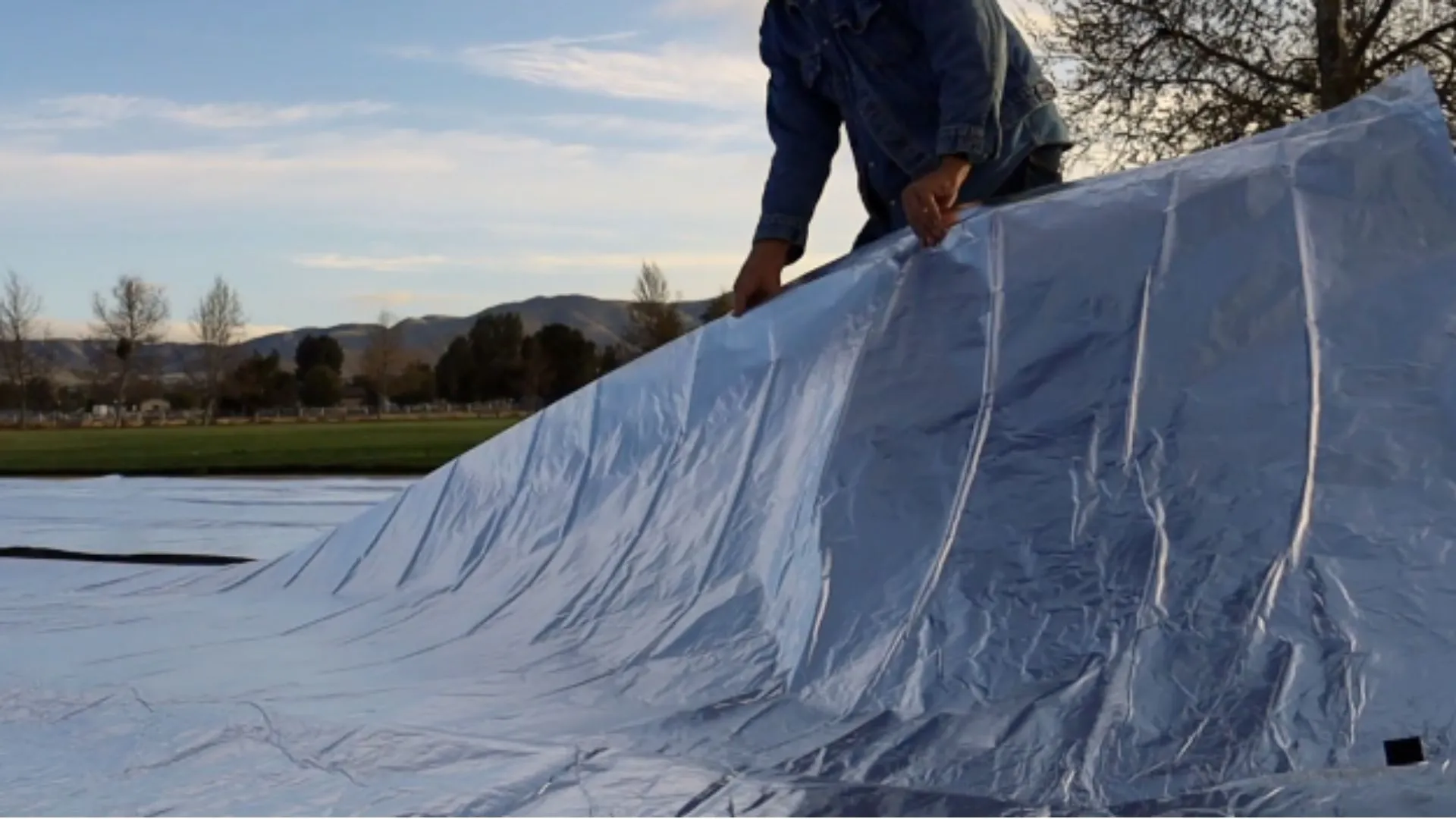
Think of protecting your home like dressing for cold weather—you need layers. Fire-resistant siding is your base layer, but you need more for complete protection. This includes home hardening strategies like installing dual-paned windows that can withstand intense heat and clearing defensible space around your property. But for the ultimate outer layer, you need a specialized shield. You may have seen news coverage refer to “fire blankets” for homes, but this is a common and dangerous misconception. A simple fire blanket is not designed to shield an entire structure from a wildfire. For that, you need professional-grade technology like FireFoil’s fire shields. This is the same technology trusted by the US Forest Service to protect critical structures, reflecting radiant heat and stopping embers before they can ignite your home.
The Best Siding for Your Climate
Where you live is one of the biggest factors in this decision. A siding that’s perfect for a desert home could be a disaster in a coastal town. Stucco and fiber cement perform very differently depending on the amount of moisture and temperature changes they face. Understanding how each material interacts with your local climate is key to choosing a siding that will protect your home and look great for years to come, without demanding constant repairs.
Ideal Conditions for Stucco
Stucco truly shines in warm, dry climates. Think of the beautiful, long-lasting stucco homes in the American Southwest—it’s a classic choice there for a reason. However, its greatest weakness is moisture. Stucco is porous, and its surface can soak up water from rain, snow, and even high humidity. In wet climates, this can lead to softening, cracking, and trapped moisture, which can cause serious damage over time. While it can last for over 50 years in the right environment, it simply doesn’t hold up well in places that get a lot of precipitation.
When to Choose Fiber Cement
If you’re looking for a siding that can handle just about anything, fiber cement is your answer. It’s engineered to be incredibly resilient and handles all kinds of weather with ease, making it a reliable choice for any climate. Whether you live in a region with humid summers, heavy rainfall, or freezing winters, fiber cement won’t crack, peel, or rot from moisture exposure. This durability makes it an excellent, low-maintenance option, especially if your area experiences significant weather fluctuations throughout the year. It gives you peace of mind knowing your home’s exterior is protected, no matter the forecast.
Making Your Final Decision
Key Questions to Ask Yourself
Choosing the right siding is a big commitment, so it helps to think through your specific needs. First, consider your climate. Stucco is best suited for warm, dry areas, as it can absorb moisture and require repairs in rainy or humid regions. Fiber cement, on the other hand, is built to handle all kinds of weather without cracking or peeling. Next, think about maintenance. Are you prepared for regular upkeep? Stucco needs frequent checks for cracks and damage, while fiber cement requires very little care beyond an occasional wash. Finally, look at your budget. While the costs can overlap, a detailed comparison guide shows stucco generally ranges from $12-$50 per square foot installed, with fiber cement at $18-$40.
Choosing the Right Fit for Your Home
Once you’ve weighed the practicalities, you can focus on what works best for your home’s character. If you love a specific textured look for a Mediterranean or Southwestern style, stucco is a classic choice. However, if you want more design flexibility, fiber cement is incredibly versatile. It can be made to look like wood, shingles, or even stucco itself, and it comes in a huge range of colors. For homeowners in high-risk fire zones, the good news is that both materials are excellent, non-combustible options. Experts agree that choosing fire-resistant siding is one of the most important steps you can take. Installation time can also be a factor; traditional stucco is a multi-layered, labor-intensive process, whereas fiber cement panels are often quicker to install.
Related Articles
- Is Your Home Safe from Wildfire Embers?
- The Ultimate Guide to a Fire Retardant House
- 4 Top Fire Resistant House Wraps for Sale
- Home Ember Barrier: Your Complete Guide to Safety
- The Best Aluminized Structure Wrap for Homes in 2025
Frequently Asked Questions
Which siding is truly better for preventing wildfire damage? Both stucco and fiber cement are excellent non-combustible choices that won’t add fuel to a fire. The most important factor isn’t choosing one over the other, but ensuring either material is installed perfectly without any gaps where embers could get trapped. Think of fire-resistant siding as your first line of defense, but it’s just one part of a complete home protection strategy.
Can fiber cement really look like stucco? Yes, it absolutely can. Manufacturers make fiber cement panels with a variety of textures, including one that convincingly mimics the look of traditional stucco. This gives you the classic, seamless appearance you might be looking for, but with the added benefits of fiber cement’s durability and low-maintenance performance, so you can avoid the cracking and patching often associated with real stucco.
What’s the single biggest factor when choosing between them? Your local climate should be the deciding factor. Stucco has a long and successful history in dry, arid regions where moisture isn’t a constant concern. However, if you live anywhere with significant rain, humidity, or freeze-thaw cycles, fiber cement is the clear winner. It’s specifically engineered to handle moisture and temperature swings without cracking, peeling, or rotting.
Is one option always more expensive than the other? Not necessarily, as the initial installation costs can often overlap depending on your home and location. The real difference appears over time. Stucco typically requires more long-term maintenance, including patching cracks and repainting, which adds to its overall cost. Fiber cement, on the other hand, requires very little upkeep, making it a more cost-effective choice over the life of your home.
I’ve heard about ‘fire blankets’ for homes. Is that a good option? This is a common and dangerous point of confusion. A simple fire blanket, like one for a kitchen fire, is completely ineffective for protecting a structure from a wildfire. For that, you need a professional-grade fire shield. Technology like FireFoil is engineered specifically to reflect extreme radiant heat and shield an entire home from embers. It’s a completely different category of protection trusted by professionals, not a blanket.


