
Most conversations about wildfire safety start and end with landscaping. While creating defensible space is absolutely critical, it’s only half the battle. A wildfire’s greatest threat often comes from a blizzard of embers that can travel over a mile, seeking out vulnerabilities in your home’s structure itself. Your roof, vents, windows, and siding are all potential ignition points. This is the gap that the NFPA 1144 standard is designed to fill. It provides a holistic approach that treats your entire property as one interconnected system, showing you how to harden the structure itself in addition to managing the vegetation around it.
Key Takeaways
- NFPA 1144 is your official roadmap for wildfire safety: It provides a clear, expert-backed framework for reducing your home’s specific risks, covering everything from construction materials to defensible space.
- Effective wildfire defense combines two key actions: First, create defensible space by managing the vegetation in zones around your property. Second, harden your home’s structure by using fire-resistant materials and securing vulnerable entry points like vents and windows.
- Don’t confuse fire blankets with fire shields: A fire blanket is ineffective for protecting a home from wildfire. To defend against embers and intense heat, you need a professional-grade fire shield like FireFoil, which is specifically engineered to block ignition by reflecting radiant heat and stopping embers.
What is NFPA 1144?
If you live in an area at risk for wildfires, you’ve probably heard a lot of advice on how to protect your home. NFPA 1144 is the official standard that organizes all that advice into a clear, actionable framework. Think of it as a comprehensive guide for reducing the chances of your home igniting during a wildland fire. Developed by the National Fire Protection Association, this standard provides a proven methodology for assessing wildfire hazards around your property and outlines requirements for making your home more resilient.
The NFPA 1144 standard isn’t just about clearing a few bushes. It covers everything from the materials used in your home’s construction to the design of your landscaping and the accessibility of your property for emergency responders. Whether you’re building a new house or looking to fortify an existing one, NFPA 1144 offers a reliable roadmap. It helps you identify specific vulnerabilities and provides practical steps to address them, giving you a structured approach to home defense instead of just guessing what might work.
What is the Goal of This Standard?
The primary goal of NFPA 1144 is straightforward: to save lives and protect property from wildfire. It achieves this by giving homeowners, builders, and community planners a unified set of rules for identifying and reducing fire risks. The standard helps you systematically evaluate your home’s surroundings, make smart choices in building design, and manage your landscape to minimize potential fuel for a fire. By creating this clear framework, NFPA 1144 aims to reduce the devastating impact of wildfires on communities, one property at a time. It’s about shifting from a reactive to a proactive mindset, empowering you to create a home that can better withstand a wildfire event.
Why NFPA 1144 Matters for Wildfire Safety
Following NFPA 1144 guidelines can dramatically increase your home’s chances of survival during a wildfire. The standard is so effective because it focuses on controlling the combustible materials on and around your property—the very things that fuel a fire. This is especially critical for homes in the Wildland Urban Interface (WUI), where development meets wildland vegetation. By requiring careful management of everything from landscaping to construction debris, the standard helps eliminate the fuel a fire needs to reach your home. It turns your property from a potential target into a defensible space, giving firefighters a safer environment to work in and giving your home a fighting chance.
Common Misconceptions About the Standard
One of the biggest misconceptions about NFPA 1144 is that it only applies to new construction. While it’s certainly a critical guide for anyone building a new home in a high-risk area, its principles are just as valuable for existing properties. Homeowners can use the standard to assess their current risks and make targeted improvements over time. You don’t have to rebuild your house to benefit from these guidelines. Simple changes, like modifying your landscaping or replacing flammable siding, can make a huge difference. The standard is designed to be a flexible tool for risk reduction, not an all-or-nothing mandate for new builds.
Who Does NFPA 1144 Apply To?
You might think a technical standard like NFPA 1144 is just for engineers or firefighters, but its reach is much broader. It’s a comprehensive framework designed to create a united front against wildfire threats, providing clear, actionable guidance for anyone who plays a role in building and protecting communities. Think of it less as a rigid rulebook and more as a shared language for safety. When everyone from homeowners and builders to first responders and city planners is working from the same set of principles, the entire community becomes stronger and more resilient.
The standard recognizes that wildfire defense isn’t a one-person job. It requires a layered approach where every stakeholder understands their part. From the person laying the foundation of a new home to the homeowner tending their garden, this standard offers crucial insights for reducing wildfire risk. It brings together different groups with a shared goal: making structures and the communities around them safer from ignition. Below, we’ll look at exactly who this standard applies to and the specific role each group plays in creating a fire-adapted community.
Homeowners in At-Risk Areas
If you live in an area where wildfires are a real threat, NFPA 1144 is for you. The standard provides a clear, systematic way to assess wildland fire hazards around your property. Think of it as a professional-grade checklist for your home’s defense. It helps you identify vulnerabilities you might not have noticed, like overgrown vegetation too close to the house or flammable materials stored under a deck. By following its guidance, you can take practical, effective steps to reduce the chances of your home igniting from embers or radiant heat, making your property a much tougher target for a wildfire.
Builders and Architects
For professionals designing and constructing homes in the wildland-urban interface, NFPA 1144 is an essential resource. It goes beyond basic building codes to address the specific challenges of wildfire exposure. The standard outlines requirements for everything from the materials you choose to fire protection measures needed on the job site during construction. By incorporating these principles from the very beginning, builders and architects can create structures that are inherently more resilient. This proactive approach is key to developing entire subdivisions and communities that are better prepared to withstand a wildfire event.
Fire Departments and Emergency Services
First responders rely on NFPA 1144 as a cornerstone of community preparedness. The standard gives fire departments a consistent methodology for evaluating ignition risks across neighborhoods, allowing them to prioritize resources and public education efforts effectively. When homes and properties align with NFPA 1144 guidelines, it makes the job of firefighters safer and more manageable during an active wildfire. It helps create a more predictable environment where structures have a better chance of survival, allowing emergency crews to focus on strategic firefighting and protecting lives rather than defending homes that are unprepared.
Local Governments and Planners
NFPA 1144 is a powerful tool for city planners, county officials, and other local leaders responsible for community safety and development. As more communities expand into wildfire-prone landscapes, this standard provides a blueprint for smart growth. Local governments can adopt NFPA 1144 into their building codes and land-use policies to ensure new developments are built with wildfire resilience in mind from day one. This forward-thinking approach helps protect residents, reduces future firefighting costs, and builds stronger, more sustainable communities capable of coexisting with the reality of wildland fire.
What Does NFPA 1144 Recommend?
Think of NFPA 1144 as a complete game plan for protecting your home from wildfire. It doesn’t just focus on one thing; it looks at your entire property as a system. The standard provides clear, actionable recommendations that cover everything from the materials you build with to the plants you choose for your garden. By breaking down wildfire risk into these manageable categories, NFPA 1144 gives you a practical roadmap to follow. Let’s walk through the four key areas it covers.
Structure Design and Materials
The standard starts with your house itself. NFPA 1144 outlines a method for evaluating wildfire hazards and provides clear requirements for new construction to make homes more resilient. This means choosing building materials that resist ignition, like metal roofing, fiber-cement siding, and dual-paned tempered glass windows. The goal is to create a structure that can stand up to embers and radiant heat. It also involves designing your home to eliminate nooks and crannies where flammable debris and embers can accumulate, such as complex rooflines or open eaves. Essentially, it’s about building a home that gives fire as few opportunities as possible to take hold.
Defensible Space
Defensible space is the buffer zone you create between your home and the surrounding landscape. It’s your property’s first line of defense. NFPA 1144 provides guidance for the control of combustible materials around your home, which is crucial for slowing a fire’s spread. This involves clearing away anything that could act as fuel, like dead leaves, dry grass, and overgrown shrubs, especially within the first 30 feet of your house. It also means storing firewood piles, propane tanks, and other flammable items away from your structures. Creating this space doesn’t just protect your home—it gives firefighters a safer area to work in if they need to defend it.
Landscaping and Vegetation
Your landscaping choices play a huge role in your home’s vulnerability to wildfire. The standard encourages homeowners to take practical steps to reduce risk through smart vegetation management. This means selecting fire-resistant plants that are less likely to ignite and burn intensely. It also involves strategic placement, like keeping trees and large shrubs pruned and ensuring their branches don’t overhang your roof. The idea is to create a “lean, clean, and green” landscape where plants are healthy, well-spaced, and free of dead material. This approach helps prevent a ground fire from climbing up into the trees and reaching your home.
Access and Water Supply
If a wildfire threatens your property, firefighters need to be able to reach you quickly and safely. NFPA 1144 highlights the importance of clear access for emergency services and having an adequate water supply nearby. For homeowners, this means ensuring your driveway is wide enough for a fire engine and that your address is clearly visible from the street, even at night. It also involves knowing where the nearest fire hydrant or water source is. If you live in a more remote area, you might consider installing a water tank or ensuring firefighters can access a pool or pond on your property for their efforts.
How to Create Defensible Space with NFPA 1144
Creating defensible space is one of the most effective actions you can take to protect your home from wildfire. It’s the buffer you create between your house and the surrounding wildland, designed to slow or stop the spread of fire from direct flames and intense radiant heat. The NFPA 1144 standard provides a clear, zone-based framework to help you systematically reduce flammable materials around your property. Here are the key steps to get started.
Understand Zone Classifications
The first step is to think of your property in terms of zones. The NFPA 1144 standard outlines a method for assessing ignition hazards by dividing the area around your home into distinct zones.
- Immediate Zone (0-5 feet): This is the most critical area. Aim to make it a non-combustible zone by removing flammable mulch, dead leaves, and even flammable patio furniture.
- Intermediate Zone (5-30 feet): Focus on “lean, clean, and green” landscaping. Keep grass mowed short, create space between trees, and remove lower branches to prevent fire from climbing into the canopy.
- Extended Zone (30-100 feet): The goal here is to interrupt the fire’s path by thinning out vegetation and removing dead material. Understanding these classifications gives you a clear roadmap for prioritizing your efforts where they matter most.
Manage Vegetation and Landscaping
Your landscaping choices play a huge role in your home’s survivability. The goal is to create a yard that is difficult for fire to move through. The Firewise Communities Program offers practical steps for reducing wildfire risk through smart landscaping. This means regularly maintaining your yard by mowing the lawn, raking leaves, and clearing away dead plants. When choosing new plants, opt for high-moisture, fire-resistant varieties instead of flammable ones like juniper. Spacing is also key—avoid dense clusters of vegetation that could act as a continuous fuel source. A well-maintained yard can dramatically slow a fire’s progress.
Reduce Potential Fuel Sources
Beyond just plants, your property likely has other items that can act as fuel for a wildfire. NFPA 1144 emphasizes controlling combustible materials around your home. Start by looking for anything that could easily ignite. Move firewood piles and propane tanks at least 30 feet away from your house. Store flammable liquids in approved safety cans and keep them in a shed away from your home. Don’t forget to regularly clean your roof and gutters of pine needles and leaves, as these can be easily ignited by flying embers. By actively managing these items, you are reducing potential fuel sources and eliminating easy targets for a wildfire.
Building to NFPA 1144 Standards
When it comes to protecting your home from wildfire, the choices you make during construction or renovation can make a huge difference. The NFPA 1144 standard isn’t just a set of rules; it’s a practical roadmap for building a more resilient structure. By focusing on key vulnerabilities, you can significantly reduce the chances of ignition. Let’s walk through some of the most important recommendations for your home’s structure.
Choose Fire-Resistant Materials
Think of your home’s exterior as its first line of defense. NFPA 1144 places a strong emphasis on using fire-resistant materials for siding, roofing, and decking. Instead of wood or vinyl siding, which can easily ignite, consider options like stucco, brick, fiber cement, or metal. These materials don’t act as fuel for a fire, which can stop a stray ember from turning into a major threat. Making smart material choices from the start is one of the most effective steps you can take to harden your home against wildfire.
Secure Your Roof and Exterior
Your roof is one of the most exposed parts of your home, acting like a giant landing pad for flying embers. That’s why NFPA 1144 guidelines recommend using Class A fire-rated roofing materials like asphalt shingles, metal, or tile. But the material is only half the battle. Regular maintenance is just as critical for mitigating wildfire risk. You’ll want to keep your roof and gutters completely clear of flammable debris like pine needles, leaves, and branches. A clean roof gives embers nothing to ignite, dramatically improving your home’s chances of survival.
Protect Windows and Vents
Windows and vents are the weak points where embers and extreme heat can find a way inside. During a wildfire, the radiant heat alone can cause single-pane windows to shatter, allowing flames to enter. The standard suggests using dual-paned windows with tempered glass on the exterior pane for much greater resistance. Vents are another critical entry point for embers. You can secure them by installing 1/8-inch metal mesh screens over all openings, including those in the attic, foundation, and eaves. This simple fix acts as a barrier, keeping dangerous embers out while still allowing your home to breathe.
How NFPA 1144 Addresses Ember Protection
One of the biggest threats during a wildfire isn’t the main wall of flames—it’s the storm of burning embers that can travel a mile or more ahead of the fire. These embers can land on or around your home, igniting vulnerable spots like roofs, vents, and decks. NFPA 1144 provides a framework for understanding and defending against this specific danger, focusing on practical steps you can take to harden your home against ignition. The standard outlines how to assess your property’s unique risks and implement effective protective measures. By focusing on ember protection, you can significantly reduce the chances of your home catching fire, even if the main wildfire front never reaches your property line.
What is an Ember Attack?
An ember attack is when wind carries burning debris from a wildfire, showering your property with sparks and hot embers. These can easily get lodged in small crevices, ignite dry leaves in gutters, or enter your home through vents. The NFPA 1144 standard offers a detailed method for assessing these hazards, helping you identify your home’s specific vulnerabilities. It’s not just about nearby vegetation; it’s about understanding how wind and your home’s construction can create a perfect storm for ignition. Recognizing where your home is most exposed allows you to take targeted action to prevent these tiny firebrands from causing major damage.
Use Protective Barriers and Shields
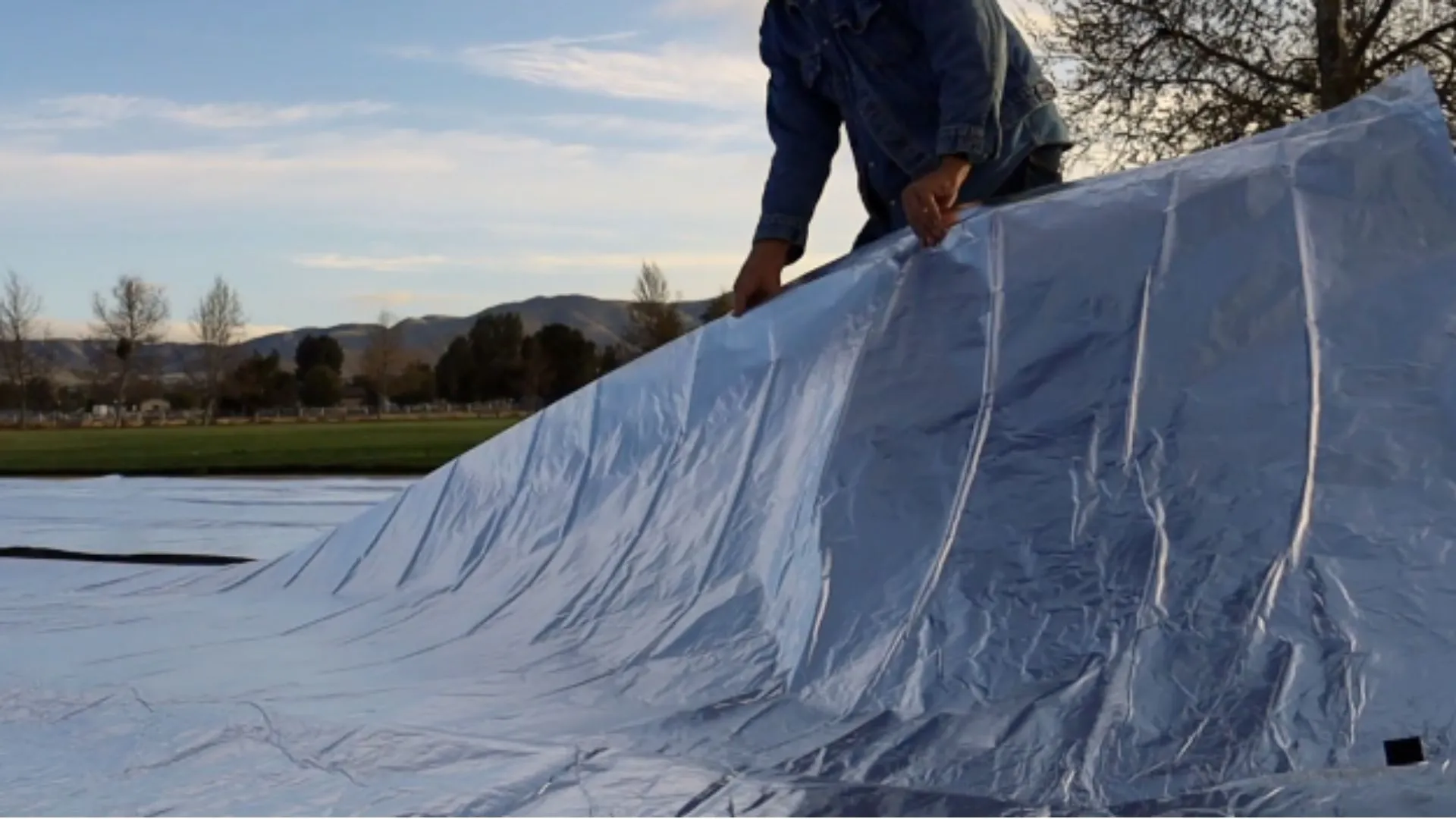
So, how do you protect your home from this threat? NFPA 1144 encourages using protective barriers and shields to create a non-combustible layer of defense. This is where professional-grade equipment comes into play. FireFoil’s wildfire shields are specifically engineered to defend against both radiant heat and direct ember contact. By wrapping vulnerable parts of your home—like walls, windows, and decks—you can block embers and reflect more than 95% of the intense heat that pre-heats surfaces, making them easier to ignite. Think of it as giving your home a suit of armor designed for wildfire conditions.
Fire Shields vs. Fire Blankets: What You Need to Know
It’s crucial to understand that a fire shield is not the same as a fire blanket. While the terms are sometimes used interchangeably, they are fundamentally different tools. A fire blanket is designed to smother a small, contained fire, like one in a kitchen. It is not designed or effective for protecting an entire structure from a wildfire. In contrast, a fire shield from FireFoil is an advanced system developed specifically for structural protection. Its reflective surface is engineered to block immense radiant heat, keeping the surfaces underneath cool and preventing ignition. Fire blankets simply don’t have this capability. For true home defense, you need a solution built for the job.
What’s New in the Latest NFPA 1144 Edition?
Wildfire science is always evolving, and safety standards are updated to keep pace with the latest research and on-the-ground learnings. The National Fire Protection Association (NFPA) regularly reviews and revises its standards to ensure they provide the most effective guidance possible. For homeowners, staying aware of these changes is key to making smart, impactful decisions about protecting your property.
The latest edition of NFPA 1144 introduces several important updates that refine how we approach wildfire preparedness. These changes aren’t about starting from scratch; they’re about sharpening our focus on what works best. The updates bring more clarity to material selection, add new layers to maintenance safety, and provide better tools for assessing your home’s specific vulnerabilities. Understanding these revisions can help you fine-tune your wildfire defense plan and ensure your efforts are aligned with the most current expert recommendations.
Updated Material Standards
One of the most helpful updates in the latest NFPA 1144 is the introduction of “clearer definitions for ‘combustible,’ ‘noncombustible,’ and ‘ignition-resistant’ materials.” This might sound technical, but it has a very practical benefit for you. It removes the guesswork when you’re choosing siding, decking, or roofing. With these clearer standards, it’s easier to identify and select building materials that genuinely reduce your home’s risk of igniting from embers or radiant heat. This change empowers you to make more informed decisions during construction or renovation, ensuring your investment truly contributes to a more fire-resilient home.
New Maintenance Guidelines
The updated guidelines place a stronger emphasis on managing the combustible materials around your property, not just during landscaping but also during any construction or maintenance work. For example, the standard now points to the importance of having “the presence of extinguishing equipment on the job site.” This highlights a critical point: wildfire risk doesn’t disappear when you’re having work done on your home. It’s a reminder to maintain vigilance and ensure that any contractors you hire are also following fire-safe practices. This proactive approach helps mitigate wildfire risk at all times, not just when a fire is on the horizon.
Revised Assessment Rules
Understanding your property’s specific weak points is the first step toward protecting it. The latest NFPA 1144 edition helps with this by providing a revised “methodology for assessing wildland fire ignition hazards around existing structures.” This gives fire professionals and homeowners a more consistent and effective way to evaluate a property’s unique vulnerabilities. Instead of a one-size-fits-all checklist, this updated assessment process helps pinpoint exactly where your home is most susceptible to ignition. You can learn more about the NFPA 1144 standard development directly from the source. This allows you to focus your time and resources on the upgrades that will make the biggest difference.
How Local Governments Can Promote Compliance
While individual homeowners are on the front lines of property defense, community-wide resilience is a team effort. Local governments play a huge role in creating a safer environment by encouraging and enforcing wildfire safety standards like NFPA 1144. When officials, fire departments, and residents work together, the entire community becomes stronger and better prepared. Here are four effective ways local governments can promote compliance and help protect homes from wildfire.
Offer Educational Workshops
Knowledge is one of our best defenses. Local governments can empower residents by hosting educational workshops that break down the principles of wildfire safety into clear, actionable steps. These sessions can cover everything from creating defensible space and choosing fire-resistant landscaping to the specifics of home hardening. By providing a forum for learning and questions, municipalities help build fire-adapted communities where everyone understands their role in reducing shared risk. This proactive approach moves beyond simply telling people what to do and instead shows them how to do it, fostering a culture of preparedness.
Provide Incentives for Homeowners
Making a home wildfire-resistant is an investment, and financial incentives can make that investment more accessible. Local governments can encourage homeowners to adopt fire-safe practices by offering tax breaks, grants, or rebates for completing home hardening projects. Programs like Firewise USA provide a fantastic framework that communities can adopt, recognizing residents for their efforts to reduce wildfire risks. These incentives not only ease the financial burden on individual families but also send a clear message that the community values and supports proactive property protection. It’s a powerful way to turn good intentions into tangible action.
Update Local Building Codes
Strong building codes are the foundation of a resilient community. Local governments can make a significant impact by updating their building codes to align with the latest standards, including NFPA 1144. This standard provides clear, expert-backed guidelines for new construction in wildfire-prone areas, addressing everything from building materials to property access. By adopting the NFPA 1144 standard, planners and officials ensure that new developments are built with wildfire safety in mind from the very beginning. This forward-thinking approach is crucial for reducing risks for future generations and building safer neighborhoods from the ground up.
Conduct Regular Inspections
Regular property inspections are a practical way to ensure fire safety regulations are being followed and to offer homeowners guidance. It’s helpful to think of these not as punitive measures, but as supportive check-ins. Inspectors can help identify potential hazards and offer personalized advice on maintaining defensible space. As outlined in research on mitigating wildfire risk, these visits help verify that combustible materials are managed properly and that homes have an adequate buffer zone. This consistent oversight helps maintain a high standard of safety across the entire community, ensuring everyone is doing their part.
How to Apply NFPA 1144 to Your Home
Putting a standard like NFPA 1144 into practice might sound complicated, but it’s really about taking a series of deliberate, common-sense steps. By breaking down the process, you can systematically reduce your home’s vulnerability to wildfire and create a property that’s built to last. Think of it as a practical roadmap for protecting your biggest investment. Let’s walk through how you can apply these expert guidelines to your own home.
Assess Your Property’s Risk
The first step is to look at your home and its surroundings with a critical eye. NFPA 1144 provides a clear methodology for assessing the specific ignition hazards around your property. This isn’t just a casual glance—it’s a detailed evaluation of the factors that could put your home at risk during a wildfire.
Walk your property and take note of the vegetation, the slope of the land, and the materials your home is made of. How close are trees to your roof? Is there an accumulation of dry leaves or pine needles in your gutters or under your deck? Understanding these vulnerabilities is essential for creating an effective defense plan. This initial assessment will guide all your mitigation efforts, helping you prioritize the most critical tasks first.
Maintain Your Defenses
Wildfire preparedness isn’t a one-time project; it’s an ongoing commitment. Once you’ve established your defensible space and made initial improvements, regular upkeep is key to ensuring those defenses remain effective. This means consistently clearing dead vegetation, mowing dry grasses, pruning trees, and cleaning your roof and gutters of flammable debris.
This principle of constant readiness extends to any protective measures you have in place. The standard even includes regulations for fire protection during new construction or renovations, highlighting the importance of safety at every stage. By regularly maintaining your defensible space, you ensure your property is prepared year-round, not just when a fire is on the horizon. This consistent effort is what truly builds long-term resilience.
Work with Certified Professionals
You don’t have to figure this all out on your own. In fact, getting an expert opinion is one of the smartest moves you can make. Collaborating with professionals who understand NFPA 1144 can help you implement the guidelines correctly and effectively. These experts can spot vulnerabilities you might miss and offer solutions tailored to your property’s unique challenges.
Look for wildfire mitigation specialists, fire-aware architects, or contractors who are certified professionals in fire protection. Your local fire department can also be an invaluable resource for advice and assessments. An expert can help you develop a prioritized action plan, recommend the right materials, and ensure that any work you do truly enhances your home’s ability to withstand a wildfire.
Build a Wildfire-Resilient Property
Putting the principles of NFPA 1144 into practice is about taking deliberate, strategic steps to harden your home against wildfire. It’s not just about a single action, but a combination of smart landscaping, structural protection, and consistent upkeep. By focusing on these key areas, you can create a property that is fundamentally more resilient to the threats of embers and radiant heat. Think of it as building layers of defense that work together to give your home the best possible chance of survival.
Create Ember-Resistant Zones
The space around your home is your first line of defense. NFPA 1144 emphasizes creating defensible space by carefully managing vegetation and removing flammable materials near your house. This means clearing away dead plants, dry leaves, and overgrown brush, especially within the first 30 feet of your home. Think of this area as a buffer zone. By keeping it lean, clean, and green, you deny an approaching fire the fuel it needs to reach your structure. It’s a simple but incredibly effective strategy for reducing your home’s vulnerability to ignition from embers and direct flames.
Invest in Professional-Grade Protection
When it comes to protecting your home’s structure, it’s crucial to use the right tools. Many people mistakenly think a fire blanket can shield a house, but these are designed for small, contained fires and are completely ineffective against a wildfire. For true structural protection, you need a fire shield. FireFoil’s wildfire shields are engineered specifically for this purpose, reflecting over 95% of radiant heat and blocking dangerous embers from igniting your home. Trusted by the US Forest Service for decades, this technology provides a proven, professional-grade barrier that can be deployed to cover roofs, walls, and other vulnerable areas without water or chemicals.
Develop a Long-Term Maintenance Plan
Wildfire resilience isn’t a one-and-done project; it requires consistent attention. Creating a long-term maintenance plan ensures your defenses remain effective year after year. This plan should include routine tasks like cleaning gutters and roofs of pine needles and leaves, trimming back tree branches that overhang your house, and inspecting vents to ensure they are properly screened. The NFPA 1144 standard highlights the need for ongoing maintenance and vigilance in fire-prone areas. Scheduling these activities annually, preferably before fire season begins, turns preparedness into a manageable habit and keeps your property ready for a potential threat.
Related Articles
- The Ultimate Guide to a Fire Retardant House
- Ultimate DIY Wildfire Home Protection Kit Guide
- How to Protect Your Home From Wildfire: 5 Steps
- What You Need in a Wildfire Home Defense Kit
Frequently Asked Questions
Is following NFPA 1144 a legal requirement for my home? That depends on where you live. NFPA 1144 itself is a voluntary standard, which means it’s a set of expert recommendations, not a federal law. However, many local governments and counties in high-risk areas choose to adopt parts of the standard into their official building codes. So, for new construction or major renovations, it might be a requirement. Regardless of the rules in your area, think of the standard as a proven playbook for giving your home the best possible chance of survival.
This all seems overwhelming. What’s the single most important thing I can do to start? If you’re feeling overwhelmed, focus on the five feet immediately surrounding your home. This is what experts call the “Immediate Zone,” and it’s the most critical area to address. Start by clearing away anything flammable right next to your foundation, like dead leaves, pine needles, dry mulch, and firewood piles. Swap out a flammable doormat for a fire-resistant one. Taking control of this small but vital space makes a huge impact and is a manageable first step.
My house is already built. Is it too late to apply these standards? Not at all. While the standard is a great guide for new construction, it’s just as valuable for existing homes. You don’t need to rebuild your house to make it safer. You can use the NFPA 1144 guidelines as a checklist to make gradual improvements over time. Simple projects like screening your vents with metal mesh, clearing vegetation, or replacing a section of flammable fencing can significantly reduce your home’s vulnerability.
You mentioned fire shields. How are they different from the fire blankets I’ve seen online? This is a critical distinction. A fire blanket is a small piece of fire-retardant fabric designed to smother a contained fire, like a grease fire on a stovetop. It is completely ineffective for protecting a structure from a wildfire. A fire shield, like the technology developed by FireFoil, is an advanced, professional-grade system engineered to reflect more than 95% of a wildfire’s intense radiant heat and block a storm of embers. It’s designed to keep your home from igniting in the first place, a job a simple fire blanket cannot do.
How can I get a professional assessment of my property’s risk? You don’t have to figure this all out on your own. A great first step is to contact your local fire department. Many departments in wildfire-prone areas offer free home assessments and can provide personalized advice based on your property. You can also search for a certified wildfire mitigation specialist or a Firewise USA coordinator in your area. These professionals are trained to evaluate your home and landscape using standards like NFPA 1144 and can help you create a prioritized action plan.