
If you live in a region where wildfires are a growing concern, your choice of siding becomes less about aesthetics and more about safety. The fiber cement vs vinyl discussion is critical because these two materials behave in completely opposite ways when exposed to extreme heat. One is a non-combustible material made from sand and cement that will not ignite or contribute fuel to a fire. The other is a form of plastic that can melt and warp, potentially exposing your home’s structure to dangerous embers and radiant heat. Understanding this single, crucial difference is the most important step in building a fire-resistant exterior for your home.
Key Takeaways
- Choose Siding Based on Fire Performance, Not Just Looks: Fiber cement is made from non-combustible materials like sand and cement, so it resists fire. Vinyl is a plastic that will melt and burn, exposing your home’s structure to heat and embers.
- Look Beyond the Initial Price Tag for True Value: While vinyl siding is cheaper upfront, fiber cement is a better long-term investment. Its superior durability and 50+ year lifespan provide greater value and a higher return when you eventually sell your home.
- Siding Is Only One Part of Your Wildfire Defense: Even the best siding needs support. For comprehensive protection, you need a professional-grade fire shield—not a fire blanket—to reflect intense radiant heat. Fire shields are engineered to protect entire structures, a task for which fire blankets are completely unsuited.
Fiber Cement vs. Vinyl Siding: What’s the Difference?
Choosing the right siding for your home is a big deal. It’s the first line of defense against the elements and the first thing people see, defining your home’s entire look. When you start exploring your options, two names come up again and again: fiber cement and vinyl. From the curb, they can sometimes look alike, especially since both can be made to resemble traditional wood siding. But that’s where the similarities end.
These two materials are fundamentally different at their core. Their composition dictates how they perform over time, how they stand up to weather, and, critically, how they react to fire. One is a composite material made from cement and sand, while the other is a type of plastic. This single difference creates a cascade of effects, influencing everything from the installation process and maintenance routine to the overall cost and lifespan. Understanding what sets these materials apart is the key to making an informed decision that you’ll be happy with for decades to come. Before you decide, it’s important to get familiar with the basics of exterior siding and what makes each type unique.
What Is Fiber Cement Siding Made Of?
Fiber cement siding is a strong building material made from a straightforward mix of sand, cement, and cellulose (plant) fibers. Think of it as a custom-engineered shield for your home. During manufacturing, these raw ingredients are blended with water, rolled into sheets, and cured with high-pressure steam, creating an incredibly dense and durable final product.
This process results in a siding that’s resistant to just about everything nature can throw at it—rot, insects, and impact. Because its primary ingredients are non-combustible, it won’t ignite when exposed to a direct flame or contribute fuel to a fire. It can be molded to mimic the texture of wood, stucco, or stone, giving you design flexibility without the maintenance headaches and vulnerabilities of those materials.
What Is Vinyl Siding Made Of?
Vinyl siding is made from a strong plastic known as polyvinyl chloride, or PVC. For years, it has been a popular choice for home exteriors, largely due to its affordability and low-maintenance appeal. The material is manufactured through an extrusion process, where PVC resin is melted and formed into long panels. These panels are designed to be lightweight and somewhat flexible, which allows them to be installed in a way that accommodates the natural expansion and contraction that happens with temperature changes.
Unlike wood or fiber cement, vinyl siding’s color is baked into the material itself, so it never needs to be painted. Scratches and scuffs are less noticeable because there isn’t a different-colored layer underneath. Its main draw is providing a clean, consistent look for a relatively low upfront cost and minimal upkeep.
Which Siding Is More Durable?
When you’re choosing siding, you’re picking your home’s first line of defense against the elements. Durability isn’t just about looking good for years to come; it’s about how well the material can handle everything from a hailstorm to the serious threat of a wildfire. Both fiber cement and vinyl have their strengths, but they perform very differently under pressure. Let’s break down how they compare in three key areas: fire, weather, and long-term appearance. Understanding these differences will help you decide which material offers the right level of protection and resilience for your home and your peace of mind.
How They Stand Up to Fire
If you live in a wildfire-prone area, this is the most important comparison. Fiber cement is non-combustible. It’s made of sand, cement, and cellulose fibers, so it won’t ignite when exposed to a direct flame or contribute fuel to a fire. Experts recommend using Class A fire-resistant materials for siding to reduce risk, and fiber cement fits that bill perfectly. Vinyl siding, on the other hand, is a plastic (PVC) product. It will melt and warp at high temperatures, potentially exposing the structure underneath to heat and embers. While fire-resistant siding is a crucial part of a fire-hardened home, it’s only one piece of the puzzle. For ultimate protection against intense radiant heat and ember storms, you need to layer your defenses. This is where a professional-grade wildfire shield comes in. Unlike a simple fire blanket, which is not designed to protect a whole house, a fire shield is engineered to reflect heat and block embers from igniting your home’s exterior.
Resisting Weather and Wear
Your siding has to stand up to daily wear and tear, including whatever Mother Nature throws at it. Fiber cement is significantly thicker and more rigid than vinyl. Because it’s made from a composite of cement and sand, it can handle impacts from hail, wind-blown debris, or the occasional stray baseball without denting or cracking. Vinyl is a more flexible material, which can be a disadvantage. While it won’t rot or corrode, it can become brittle in cold weather and is much more likely to crack or break from a sharp impact. If you live in an area with severe storms or hail, the superior impact resistance of fiber cement is a major advantage for long-term durability.
How Well Does the Color Hold Up?
You want your siding to look great without a ton of effort. Here, the two materials offer a trade-off between maintenance and flexibility. Vinyl siding’s color is baked into the material itself. This means you’ll never have to paint it, and it won’t chip or peel. The downside is that the color can fade over time from sun exposure, and your color choices are limited to what the manufacturer offers. Fiber cement siding comes either pre-painted from the factory or primed and ready for the color of your choice. While this gives you unlimited design freedom, it does mean you’ll eventually need to repaint it every 10 to 15 years to keep it looking fresh and maintain its protective finish.
How Much Does Each Siding Cost?
When choosing between fiber cement and vinyl, the price tag is a major factor. But it’s not just about the initial bill—you also have to consider the long-term costs of maintenance and the overall value each material adds to your home. Let’s break down the numbers so you can see how the costs stack up over the lifetime of your siding.
Upfront Installation Costs
Looking purely at the initial price, vinyl siding is the more budget-friendly option. The upfront installation costs for vinyl are typically lower, running about $201 for every 100 square feet. This can make it an appealing choice if you’re working with a tighter budget for your home improvement project.
Fiber cement siding requires a larger initial investment, costing around $300 for the same 100-square-foot area. While the higher price reflects its durable composition and different installation requirements, it’s an important figure to factor into your initial project planning.
Long-Term Costs and Maintenance
The story changes a bit when you look at expenses over time. Vinyl siding is famously low-maintenance. Once it’s installed, it needs almost no work. You can keep it looking great with a simple spray from a garden hose and some soapy water every now and then. You won’t have to worry about repainting or recaulking, which saves you money and time down the road.
Fiber cement requires more upkeep. Unless you get a pre-painted variety, it needs to be painted and sealed after installation. Over the years, you’ll need to repaint it as the color fades from sun exposure and check the caulk to prevent water from seeping in behind the panels.
Which Siding Is the Better Investment?
So, which siding gives you more for your money in the long run? Many experts agree that fiber cement offers better overall value and can actually have lower costs over the entire life of your home. It adds more resale value, and with warranties often lasting 30 years, the siding itself can last for more than 50.
That doesn’t mean vinyl is a bad choice. It’s a practical and affordable option that still provides a solid return. While its resale value is generally lower than fiber cement’s, you can still recoup more than 78% of your initial cost when you sell your house.
What’s Required for Upkeep?
When you’re choosing siding, you’re also choosing a maintenance routine. Some materials demand more attention over the years, while others are practically hands-off. The effort and expense required for upkeep are just as important as the initial cost, because they determine the real long-term value of your investment. Understanding what each type of siding needs will help you pick the one that best fits your lifestyle and budget, ensuring your home stays protected and looks great for years to come. Let’s break down what you can expect with both fiber cement and vinyl.
Maintaining Fiber Cement Siding
Think of fiber cement siding as a durable shield for your home that needs a little care to stay in top shape. While it’s incredibly tough, it isn’t a set-it-and-forget-it solution. After installation, it needs to be sealed with caulk and painted, unless you opt for a pre-painted variety. Over the years, you’ll need to plan for repainting as the color will eventually fade under the sun. It’s also smart to periodically inspect the caulk around seams, windows, and doors. Keeping these seals intact is crucial to prevent water damage and protect the structure of your home. This routine maintenance ensures the siding continues to perform its best.
Maintaining Vinyl Siding
If a low-maintenance exterior is high on your priority list, vinyl siding is hard to beat. Once it’s installed, there’s very little you need to do. To keep it looking fresh, you can simply spray it down with a garden hose and some soapy water every so often to wash away dirt and grime. Because vinyl is a flexible material, it resists chipping and cracking from minor impacts, so you won’t spend your weekends doing touch-ups. This hands-off nature is a major draw for busy homeowners who want a clean, attractive exterior without the recurring work of painting or sealing.
How Long Will Your Siding Last?
Your siding’s lifespan is a key factor in its overall value. Fiber cement is built for the long haul, often lasting more than 50 years with proper care. Many manufacturers are so confident in its durability that they offer a 30-year warranty, giving you decades of peace of mind. Vinyl siding, on the other hand, has a shorter prime lifespan. While it’s durable, it can start to look faded or worn after about 10 to 15 years, especially if your home gets a lot of direct sunlight. This difference is important to consider when you think about how long you plan to be in your home and when you might need to budget for a replacement.
What Does Installation Involve?
Beyond the price tag, the installation process itself is a major factor that sets these two siding options apart. The complexity, tools, and labor involved can influence your budget and the final quality of the job. Getting this part right is crucial for ensuring your siding performs well and protects your home for decades.
Comparing Weight and Support Needs
Let’s start with the sheer weight of the materials. Fiber cement is a strong building material made from a composite of sand, cement, and cellulose fibers, making it significantly heavier than lightweight vinyl. This isn’t just a minor detail—it means your home’s structure must be able to support the load, and it typically requires more crew members to lift and secure each panel. Vinyl, on the other hand, is a light plastic that is easy for a single installer to carry and manage, which can often speed up the installation timeline.
How Complex Is the Installation?
The heft of fiber cement directly contributes to a more complex installation. This is generally not a weekend DIY project; it requires special skills and a larger team to handle correctly. Cutting and fitting the thick, brittle panels takes precision and experience. Vinyl siding is more forgiving and features an interlocking system that is simpler for installers to learn and work with. While some handy homeowners might tackle a vinyl project themselves, a professional job is always the best way to ensure it performs as expected and your warranty remains intact.
Tools and Skills Needed for the Job
The right tools are non-negotiable, especially for fiber cement. Installers need special saws with diamond-tipped blades to get clean cuts without shattering the material, along with gear to manage the silica dust created during cutting. More importantly, the skill of the installer is critical. Improper sealing around seams, windows, and doors can allow moisture to seep in, leading to serious issues down the road. Vinyl installation uses more common tools, but the principle is the same: a sloppy job can lead to buckling, gaps, and water intrusion. A skilled installer is your best defense against future problems.
Making the Right Choice for Your Home
Choosing the right siding for your home is a major decision that goes far beyond curb appeal. It’s about protecting your investment, your property, and most importantly, your family. While the look and cost are big factors, the best choice really depends on your specific circumstances. Vinyl and fiber cement both have their strengths, but one is likely a better fit for your home and lifestyle. To make a decision you’ll be happy with for years to come, you need to consider your local climate and potential risks, how the material complements your home’s architectural style, and how it fits into a larger strategy for home defense.
Thinking through these key areas will help you land on the siding that offers the right blend of performance, aesthetics, and peace of mind. This isn’t just about picking a color; it’s about building a resilient and beautiful exterior that stands up to the elements and gives you confidence in your home’s ability to protect you. Whether you prioritize fire resistance, design flexibility, or low maintenance, understanding the core differences between these materials is the first step. We’ll walk through how to weigh these factors to find the perfect match for your needs, ensuring your home is not only beautiful but also well-defended.
Factoring in Your Climate and Wildfire Risk
Your home’s location is one of the biggest factors in this decision. As wildfires become more frequent and severe, choosing materials that can withstand extreme heat and flames is crucial. This is where fiber cement has a clear advantage. It’s non-combustible and often recommended for its fire-resistant properties, making it a much safer choice in wildfire-prone areas. Vinyl siding, on the other hand, is a plastic product. It can melt and warp when exposed to high heat, potentially compromising the structure underneath and contributing to a fire’s spread. If you live in an area with high wildfire risk, the superior fire resistance of fiber cement makes it the more responsible and resilient option for protecting your home.
Matching Your Home’s Style
Of course, you want your home to look great. Both fiber cement and vinyl siding come in a wide variety of styles and colors, so you can find an option that fits your home’s aesthetic. However, if you’re looking for a more authentic or customizable look, fiber cement is the winner. It does a fantastic job of mimicking the appearance of natural wood and can be painted, giving you endless flexibility to change your home’s color down the road. Vinyl siding’s color is part of the material itself, which means you’ll never have to paint, but it also means the color you choose is permanent. This makes fiber cement the better choice for homeowners who value design freedom and a high-end finish.
Layering Your Defenses with Fire Shields
Your siding is your home’s first line of defense, but it shouldn’t be the only one. The most effective way to prepare your home for wildfire is to layer your defenses. This means combining fire-resistant siding with other protective measures like Class A roofing and ember-resistant vents. But even with the best siding, your home is still vulnerable to the intense radiant heat of a wildfire. That’s where a fire shield comes in.
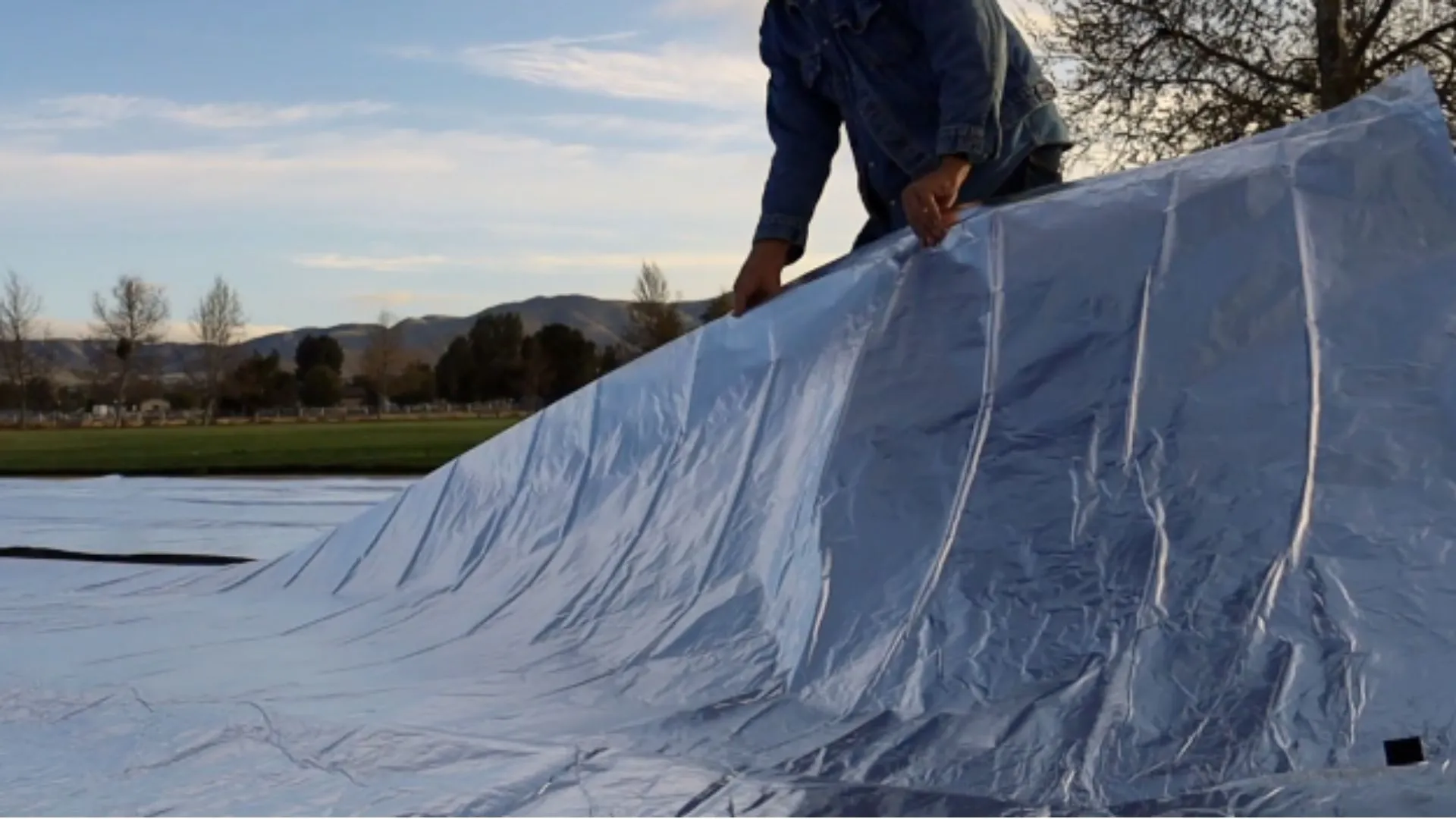
It’s important to distinguish this from a simple fire blanket, which is not designed to protect an entire structure. A professional-grade fire shield, like the technology in FireFoil, is specifically engineered to be deployed over your home, reflecting up to 95% of radiant heat and blocking embers. This is the same proven technology trusted by professionals like the US Forest Service. By combining fire-resistant siding with a deployable fire shield, you create a comprehensive defense system that gives your home its best chance of survival.
Related Articles
- Is Your Home Safe from Wildfire Embers?
- 4 Top Fire Resistant House Wraps for Sale
- The Ultimate Guide to a Fire Retardant House
- Class A Shingles: The Ultimate Buyer’s Guide
Frequently Asked Questions
Is fiber cement siding completely fireproof? While fiber cement is non-combustible, which means it won’t ignite or add fuel to a fire, no siding material can make a home entirely fireproof on its own. Intense radiant heat from a nearby wildfire can still transfer through the siding and ignite the wooden structure behind it. Think of fire-resistant siding as a critical first step, but not the final one. It’s designed to resist ignition from embers and direct flame contact, which is a huge advantage over materials that can melt or burn.
If fiber cement is so much better in a fire, why do people still choose vinyl? The decision often comes down to upfront cost and maintenance. Vinyl siding is less expensive to purchase and install, and its maintenance is as simple as an occasional wash with a garden hose. For homeowners in areas with very low wildfire risk, these benefits can make it an attractive and practical choice. However, for anyone living in a region where wildfires are a real concern, the superior durability and non-combustible nature of fiber cement make it a wiser long-term investment in safety and peace of mind.
I’m confused about fire blankets vs. fire shields. Aren’t they the same thing? This is a great question, and it’s a common point of confusion. They are fundamentally different tools for different jobs. A fire blanket is a small, simple item you might keep in your kitchen to smother a grease fire on the stove. A professional fire shield, like FireFoil, is an advanced, large-format system engineered specifically to protect an entire structure from a wildfire. It’s made of materials that reflect up to 95% of radiant heat and block ember storms. A fire blanket simply isn’t designed or built to provide that level of protection for a home.
If I install fire-resistant siding, is my home fully protected from wildfire? Installing fire-resistant siding is a crucial part of making your home more resilient, but it’s just one piece of a larger defense strategy. A truly prepared home takes a systems approach. This includes having a Class A fire-rated roof, ember-resistant vents, and creating defensible space by clearing flammable vegetation around your property. Even with all these measures, a deployable fire shield provides the ultimate protection against the overwhelming radiant heat that causes most homes to ignite during a wildfire, often without ever being touched by flames.
How much does the maintenance for fiber cement really cost over time? The primary long-term cost for fiber cement is repainting, which is typically needed every 10 to 15 years. While this is an added expense compared to vinyl, it’s also an opportunity to refresh your home’s look and maintain its protective seal. This cost should be weighed against the potential need to replace sections of vinyl siding that could crack from impact or fade significantly in the sun. The durability and longevity of fiber cement mean you’re investing in a material that can last for 50 years or more, making the periodic cost of paint a worthwhile part of its upkeep.