
Your home’s biggest threat isn’t a massive wall of flames. It’s the relentless storm of tiny, wind-driven home wildfire embers. These embers act like tiny invaders, testing every weak point—clogged gutters, unscreened vents, and flammable debris piled against your walls. Your job is to find these vulnerabilities before a fire does. This guide is your complete action plan. We’ll walk you through a top-to-bottom inspection, covering everything from simple maintenance fixes to deploying professional-grade fire shields, a technology far more effective than any fire blanket.
Key Takeaways
- Embers Are the Real Enemy: Your home’s biggest threat comes from tiny, wind-driven embers, not a wall of flames. Defend against them by sealing all vents with 1/8-inch metal mesh, choosing fire-resistant materials for your roof and siding, and clearing all flammable materials from the five-foot zone around your house.
- Layer Your Defenses for Maximum Safety: True protection comes from combining strategies. Maintain your defensible space to keep flames at a distance, harden your home’s structure to resist ignition, and deploy professional-grade fire shields like FireFoil to reflect intense heat and stop embers cold.
- Turn Preparedness into a Habit: Wildfire safety isn’t a one-time task; it’s a lifestyle. Make it routine by scheduling seasonal yard cleanups, regularly practicing your family’s evacuation plan, and doing an annual review of your homeowner’s insurance to ensure you’re fully covered.
Why Wildfire Embers Are Your Home’s Biggest Threat
When you picture a wildfire, you probably imagine a massive wall of flames. While that’s certainly a destructive force, it’s not the primary way homes catch fire. The real culprit is often much smaller and sneakier: wildfire embers. These tiny, glowing pieces of burning wood and vegetation are carried by the wind, sometimes for miles ahead of the fire itself. They can rain down on a neighborhood like fiery hail, searching for any flammable material to ignite.
Understanding how embers work is the first step in protecting your home. They are lightweight, can get into tiny spaces, and can smolder for hours before bursting into flames, long after the main fire front has passed. In fact, research shows that embers are responsible for the ignition of most homes lost during wildfires. By focusing on the threat of embers, you can make targeted improvements that significantly increase your home’s chances of survival.
What Makes Wildfire Embers So Dangerous?
The sheer number and mobility of embers make them a wildfire’s most effective weapon. A single fire can produce millions of them, creating a blizzard of ignition sources that can overwhelm a community. According to the U.S. Fire Administration, embers can be responsible for up to 90% of home and business fires during these events. They can land on your roof, get lodged in your gutters, or blow into hidden corners, finding fuel in dry leaves, pine needles, or even the structure of your house itself. This is why a home can burn down even if it’s miles away from the main blaze.
The Data Behind Ember Attacks
The data paints a clear picture: the greatest threat to your home isn’t a wall of flames, but the blizzard of embers that precedes it. Research from the National Fire Protection Association (NFPA) confirms that most homes are lost to these embers landing on or near the structure, not from the main fire front. Think about that for a moment. These embers can travel for miles, lodge themselves in the tiniest gaps, and smolder for hours before erupting into flame. This delayed ignition is what makes them so insidious and highlights why defensible space alone isn’t a complete solution. To truly secure your home, you need a physical shield that can stop this relentless ember assault.
How Wildfire Embers Target Your Home
Embers are relentless in finding a home’s weak spots. They can ignite a building in several ways, often by exploiting common vulnerabilities. An ember might land directly on a flammable roof or get stuck in a pile of leaves in the gutter. It could also get blown inside the house through an unscreened vent or an open window. Just as often, embers will ignite flammable items around your home—like dry mulch, woodpiles, patio furniture, or even a wooden fence. Once these items catch fire, they can act as a fuse, carrying the flames directly to your house.
Where Can Wildfire Embers Enter Your Home?
Think of your home as having dozens of tiny doorways for embers. The most common entry points are vents—soffit vents under the eaves, gable-end vents in the attic, and even dryer vents. These openings are necessary for airflow, but they can also allow embers to be sucked inside, where they can ignite insulation or other flammable materials. To prevent this, you can make your home more resistant by covering all vent openings with a fine 1/8-inch metal mesh screen. Regularly cleaning out gutters and clearing flammable debris from around your foundation also removes potential fuel sources where embers could land and smolder.
How to Find Your Home’s Wildfire Weak Spots
Think of your home as a fortress. During a wildfire, tiny, wind-driven embers are the invading army, and they will search for any crack in your defenses. Taking the time to walk around your property and identify these vulnerabilities is one of the most effective things you can do to prepare. Embers can travel a mile or more ahead of the main fire, and they are responsible for igniting the majority of homes lost in wildfires. They can get lodged in gutters, blown into vents, or pile up against siding, just waiting for a chance to ignite.
This isn’t about finding flaws; it’s about being proactive. By looking at your home through the eyes of a wildfire, you can spot the weak points and reinforce them before it’s too late. We’ll go through a top-to-bottom checklist to help you find these spots, from your roofline down to your foundation. Each area presents a unique challenge, but also an opportunity to make your home significantly safer.
Take a Home Wildfire Readiness Assessment
As you begin your assessment, keep one critical fact in mind: embers are the real enemy. It’s not the giant wall of flames you see in movies that’s most likely to ignite your home. Instead, research shows that up to 90% of homes lost in wildfires are ignited by tiny, wind-driven embers that can travel miles ahead of the fire. These embers will test every part of your home’s exterior, looking for a place to land and smolder. Your mission is to find those vulnerabilities first. By focusing your efforts on ember-proofing your home, you’re addressing the single biggest threat and making targeted improvements that truly count.
Start with Your Roof and Gutters
Your roof is your home’s first line of defense, so it needs to be tough. If you have wood or shake shingles, they can easily catch fire from airborne embers. The best materials are Class A fire-rated, such as metal, slate, or concrete tiles. Beyond the material itself, regular maintenance is key. You need to keep your roof and gutters clear of flammable debris like pine needles, leaves, and twigs, which provide perfect kindling for embers. Don’t forget your chimney—it should be fitted with a spark arrester, which is a metal screen that stops hot sparks from escaping and starting a fire on your roof or in your yard.
Strengthen Your Skylights
Skylights are a wonderful way to bring natural light into your home, but they can also be a point of weakness during a wildfire. As openings in your roof, they are directly exposed to falling embers and intense radiant heat. To ensure they don’t become an entry point for fire, check that your skylights are made from dual-paned, tempered glass. Tempered glass is much stronger and more heat-resistant than standard glass. For an added layer of defense, CAL FIRE recommends installing fine metal mesh screens over them. This simple addition can act as a barrier, preventing embers from settling on the glass or entering your home if the glass were to break.
Upgrade Your Gutters
Gutters are designed to catch debris, which is exactly what makes them so dangerous in a wildfire. A gutter filled with dry leaves and pine needles is basically a trough of kindling attached to the edge of your roof—the perfect place for embers to land and ignite. The most important step is to keep them clean, especially during fire season. To make this job easier and your home safer, install noncombustible gutter covers or guards. These prevent debris from building up in the first place. If you have vinyl or plastic gutters, it’s time for an upgrade. Plastic can melt and catch fire, spreading flames to your eaves and roof. Replace them with metal gutters, like steel or aluminum, which won’t ignite.
Secure Your Vents and Other Openings
Vents are essential for your home’s airflow, but they can also be open doorways for embers. Walk around your house and locate all vent openings, including those in your attic, soffits (the underside of your eaves), foundation, and even your dryer vent. To protect them, cover every opening with a fine metal mesh screen, specifically one with openings no larger than 1/8-inch. This simple fix allows air to flow but is small enough to block most embers from getting inside. Also, check for any gaps under your eaves and seal them with fire-resistant materials to close off another potential entry point.
Choosing the Right Vent Mesh
When it comes to vent screens, the details are everything. The standard recommendation from fire safety experts is a metal mesh with openings no larger than 1/8-inch. This specific size is critical because it’s small enough to block the vast majority of wind-driven embers from getting into your attic or crawlspace, areas often filled with flammable insulation and dry wood. At the same time, the mesh is large enough to maintain the necessary airflow your home needs to prevent moisture buildup and mold. It strikes the perfect balance between robust protection and essential function, effectively turning one of your home’s most significant vulnerabilities into a hardened defense point against ember attacks.
A Quick Note on Vent Modifications
Modifying your home’s vents is a project that requires some diligence, but it’s one of the most impactful preparedness upgrades you can make. Your first task is to locate every single vent on your property—don’t forget the less obvious ones for the dryer, foundation, or tucked away in the eaves. Once you’ve installed the proper metal mesh, the job isn’t quite finished. Make it a habit to inspect these screens seasonally as part of your regular home maintenance routine. You’ll want to check for any damage from pests or weather and clear away debris like leaves or cobwebs that could obstruct airflow. A clean, intact vent screen is an effective one.
Are Your Windows and Doors Wildfire-Ready?
The intense radiant heat from a wildfire can shatter single-pane windows, giving embers and flames a direct path into your home. Double-paned windows offer much better protection because the air gap between the panes acts as an insulator, slowing heat transfer. Tempered glass is even stronger. The window frames matter, too. Metal frames are more durable and fire-resistant than vinyl or wood frames, which can melt or ignite. Check that all your windows and doors have a tight seal to prevent embers from being blown in through small gaps.
Reinforce Windows with Metal Screens
Even the most fire-resistant windows are useless if they’re left open during an ember storm. Your standard window screens are likely made of vinyl or fiberglass, materials that can easily melt or burn away when exposed to hot embers, creating a wide-open path into your home. To truly secure these openings, you should upgrade to metal screens with a mesh size of 1/8-inch or smaller. This fine metal mesh is strong enough to block the vast majority of embers from getting inside, all while still letting air flow through. It’s a simple but critical fix that hardens one of your home’s most vulnerable areas.
Seal Gaps Around Doors and Garages
Embers are opportunistic and will exploit any gap they can find. Take a walk around your home and inspect all your exterior doors. If you can see daylight under your front door or notice that the weatherstripping is cracked and brittle, you’ve found a weak spot. These small gaps are more than enough for wind-driven embers to get inside. Pay special attention to your garage door, which is often a major vulnerability due to its size. You can harden your home by installing fresh, high-quality weatherstripping around all door frames and adding a door sweep to the bottom. This creates a tight seal that effectively blocks embers from finding a way in.
Check Your Decks, Patios, and Fences
Wooden decks, patios, and fences attached to your house can act like a fuse, leading fire directly to your walls. If you’re building or renovating, choose non-combustible materials like composite, stone, or concrete. If you have a wooden deck, keep it clear of flammable items like planters, furniture with cloth cushions, and door mats, especially during fire season. For fences, the five feet closest to your house are the most critical. Creating a non-combustible barrier by using materials like metal or masonry for this section can stop a fire from climbing the fence and reaching your home.
Create an Ember-Resistant Zone Around Decks
Think of your wooden deck as a welcome mat for fire. Because it’s attached directly to your home, it can act as a fuse, giving flames an easy path to your walls. If you have the opportunity to build or renovate, your best bet is to use non-combustible materials like composite decking, stone pavers, or concrete. For an existing wooden deck, your defense is all about maintenance. You need to create an ember-free zone by keeping the surface completely clear of anything flammable. This means removing planters, furniture with fabric cushions, welcome mats, and even brooms. Embers can get trapped in these items and smolder for hours, so clearing them away during fire season removes the fuel they need to ignite your deck and, ultimately, your home.
Modify Flammable Fences
Just like a deck, a wooden fence can act as a wick, drawing fire straight to your house. You don’t necessarily need to replace the entire fence line, though. The most critical area is the last five feet connecting to your home. By replacing just this small section with a non-combustible material like a metal gate or a masonry pillar, you can create a crucial firebreak. This simple modification can stop a grass or fence fire in its tracks, preventing it from climbing the fence and reaching your exterior walls or eaves. It’s a targeted upgrade that offers a significant return on safety by severing a direct path that fire could otherwise take to your structure.
Inspect Your Foundation and Eaves
Your home needs to breathe, but the vents in your foundation and under your eaves can become dangerous entry points for wind-blown embers. Take a walk around your house and identify every opening, from crawl space vents near the ground to soffit vents tucked under the roofline. The most effective way to secure these is to cover them with 1/8-inch metal mesh screening. This material is fine enough to block embers from getting sucked into your crawlspace or attic, where they could ignite insulation or stored items, but still allows for the necessary airflow. It’s a straightforward, low-cost project that closes off some of your home’s most common wildfire vulnerabilities and hardens your defense against a storm of embers.
Install a Fire Block in Your Foundation
Sometimes the danger isn’t just about embers getting in, but about how fire can spread once it finds a way inside your walls. Many homes have a small gap between the foundation and the start of the wall framing. If fire gets into this space, it can race up the wall cavity, hidden from sight. Installing a fire block—a piece of fire-resistant material that seals this gap—can effectively stop this from happening. According to guidance from FEMA, this simple structural addition helps starve a fire of the oxygen it needs to travel, containing the threat and preventing it from spreading throughout your home’s structure. It’s a proactive measure that reinforces your home from the inside out.
Clear the Area Below Your Eaves
The ground directly surrounding your home is a critical defensive line. Embers often get carried by wind and swirl around the base of a house, collecting in corners and against the foundation. If they land in a pile of dry leaves, pine needles, or flammable mulch, they have found the perfect fuel to start a fire that can climb your siding. Make it a regular habit to clear all flammable debris from the area directly below your eaves and around your entire foundation. This includes cleaning out your gutters, as they are a prime spot for embers to land and ignite. A clean perimeter gives embers nothing to burn, effectively removing the welcome mat for a potential fire.
How to Choose Fire-Resistant Building Materials
The materials your home is made of are its first and most important line of defense against wildfire embers. While creating defensible space is critical, hardening the structure itself gives it a fighting chance to withstand the shower of sparks and intense heat that define a wildfire event. Think of it as giving your home a permanent suit of armor. When embers land on a flammable surface like a wood shake roof or cedar siding, they can easily ignite the entire structure. But when they land on non-combustible materials, they simply burn out without finding any fuel.
Making smart choices during construction or a renovation can dramatically reduce your home’s vulnerability. This process, often called “home hardening,” focuses on the most exposed parts of your house: the roof, siding, windows, doors, and attached structures like decks. The goal is to create a continuous barrier of fire-resistant materials that leaves no easy entry points for embers. For example, a metal roof can deflect embers that would have burrowed into and ignited a traditional wood shingle roof. Similarly, fiber-cement siding can stop a ground fire from climbing your walls. These aren’t just minor upgrades; they are fundamental changes that can determine whether your home survives a wildfire. By focusing on fire-resistant building materials, you are actively reducing the likelihood of ignition and protecting your biggest investment.
What to Look for in Fire-Resistant Roofing
Your roof is the single most vulnerable part of your home during a wildfire, as it presents a large, flat target for falling embers. Replacing flammable roofing materials is one of the most effective hardening measures you can take. Wood or shake shingles are extremely hazardous and should be replaced with Class A fire-rated materials. Excellent choices include metal, concrete or clay tiles, slate, and composite shingles. These materials are designed to resist ignition and prevent embers from burning through to the underlying structure. A steeper roof slope can also help, as it allows embers and debris to slide off more easily instead of accumulating.
Protect Your Walls with Non-Combustible Siding
The exterior walls of your home are another critical area that embers can attack. If your siding is flammable, like wood or vinyl, it can provide a direct path for flames to climb from the ground to your roofline. To prevent this, choose siding made from non-combustible materials. Brick, stone, stucco, and fiber-cement are all excellent options that won’t ignite when exposed to embers or radiant heat. These materials create a protective shell around your home, effectively starving a potential fire of the fuel it needs to spread up your walls and into your eaves.
A Practical First Step for Siding
A full siding replacement is a major project, but you can still make a huge impact without taking on the whole thing at once. The key is to start with the most vulnerable spot: the base of your exterior walls. This is where wind-driven embers tend to pile up. If they ignite flammable siding, they can create a ladder of flames that climbs right up to your roofline. By creating a non-combustible barrier here, you can stop that fire in its tracks. Look into replacing just the bottom two to five feet of siding with a fire-resistant material like fiber-cement panels, stone veneer, or metal sheeting. This simple modification hardens a critical weak point and acts as a ground-level firewall, giving you a big safety return without the expense of a complete overhaul.
Why Fire-Rated Windows and Doors Matter
Windows and doors are significant weak points because glass can break from intense heat, allowing embers to blow directly inside your home. Standard single-pane windows offer very little protection. Upgrading to dual-paned tempered glass windows is a crucial step, as they take much longer to fail under heat. For frames, steel is the most resilient choice, offering far better protection than wood or even vinyl, which can melt and warp. Solid wood or metal doors are also much safer than hollow-core doors, providing a stronger barrier against both heat and embers.
Build Safer Decks and Patios
A wooden deck attached to your house is like a welcome mat for wildfire. Embers can easily get trapped between the boards or underneath the deck, igniting a fire right next to your home. Rebuilding your deck with fire-resistant materials is a wise investment. Heavy timber construction is better than lighter wood, but non-combustible options are best. Consider materials like composites, concrete pavers, or stone. If you must have a wood deck, be sure to enclose the underside with a fire-resistant screen to prevent embers from accumulating beneath it.
Simple Design Changes to Reduce Wildfire Risk
Beyond specific materials, certain architectural designs can make a home inherently safer. For example, “boxing in” your eaves—enclosing the open space between rafters—prevents embers from getting trapped in a highly flammable area right under your roofline. Similarly, designing a home with fewer complex angles, overhangs, and architectural details can reduce the number of spots where embers and flammable debris can collect. The core principle is to create a simple, clean building exterior made of non-combustible materials that offers no footholds for fire.
How Technology Can Help Defend Your Home
Beyond fire-resistant materials and smart landscaping, modern technology offers powerful tools to actively defend your home against wildfire embers. These systems can provide a critical layer of protection, especially when wildfires are widespread and firefighters are stretched thin, unable to get to every property. From physical shields to automated systems that you can control from your phone, here are some of the best tech solutions to consider for your home.
How FireFoil Shields Work (And Why They’re Not Fire Blankets)
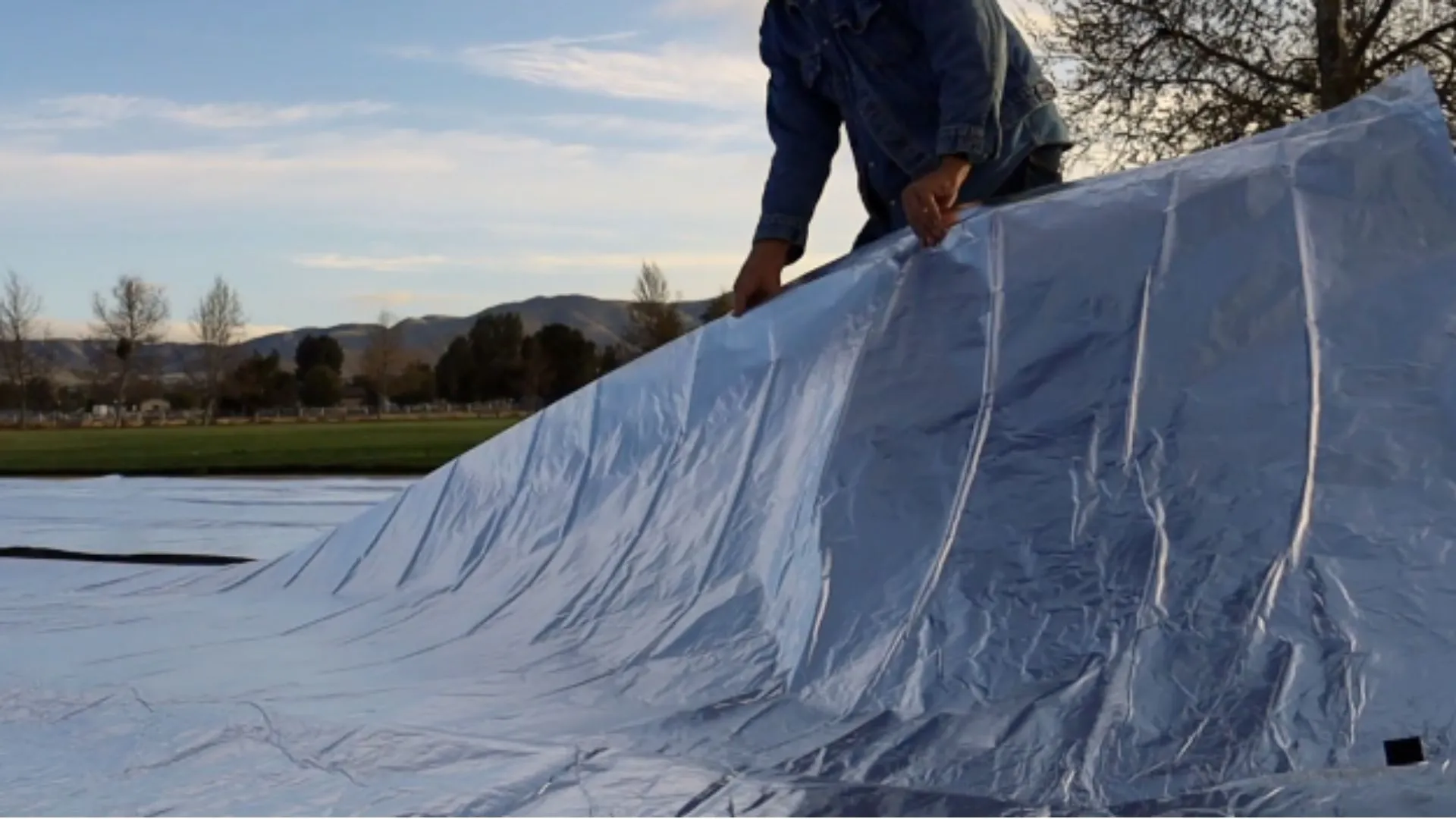
You may have seen news stories refer to “fire blankets” for homes, but it’s crucial to understand the difference between that concept and a true fire shield. A standard fire blanket is not designed to protect an entire structure from the intense, prolonged heat of a wildfire. For that, you need a professional-grade solution like FireFoil. Our Wildfire Ember & Fire Shields are made from specialized, aluminum-based materials that reflect up to 95% of radiant heat and physically block burning embers. This is the same technology trusted by the US Forest Service to protect national monuments and critical infrastructure, and it works without any water or chemical retardants.
Stop Embers with Ember-Resistant Vents
Your home’s vents are a primary entry point for wildfire embers. Attic, soffit, gable, and even dryer vents can act as open doors for these tiny, fiery threats. To secure them, you can retrofit your existing vents or install new, ember-resistant models. The key is to cover all openings with a fine metal mesh, specifically 1/8-inch or smaller, which is fine enough to stop embers from passing through. This simple, effective upgrade is a critical step in “hardening” your home. You can find detailed guidance on how to prepare and protect your home from ember intrusion from federal fire agencies.
Are Automated Sprinklers Right for Your Home?
Exterior sprinkler systems designed for wildfire defense can offer another powerful layer of protection. Unlike typical irrigation systems, these are often designed to coat your home and the immediate surroundings with water, foam, or a fire-retardant gel. Many of these modern wildfire defense systems can be activated remotely through a mobile app, which is a huge advantage if you’ve already evacuated. While they represent a significant investment, automated systems can provide invaluable, on-demand defense when you can’t be there to do it yourself. They are an excellent option for adding active protection to your home defense plan.
What the Research Says About Sprinklers
When it comes to exterior sprinklers, the numbers are hard to ignore. A study of the Ham Lake Fire, for instance, found that every single one of the 46 homes with working external sprinklers survived the blaze, while 38 homes without them were lost. The science behind this is straightforward but powerful. Keeping your home and the immediate area consistently wet can effectively stop embers from igniting nearby fuel. Sprinklers create a humid microclimate that makes it much harder for your siding, plants, or any stray debris to catch fire. This proactive defense is especially valuable with modern systems that you can activate from your phone after you’ve safely evacuated, giving you a way to protect your property from afar.
Keep an Eye on Things with Remote Monitoring
Knowing what’s happening at your property during a wildfire event can help you make informed decisions. Installing exterior security cameras allows you to monitor conditions in real-time from a safe distance. You can watch for ember accumulation on your deck, spot fires in your yard, or check on the status of your automated systems. This technology gives you crucial situational awareness when you need it most. Being proactive and using technology to stay informed is one of the best ways to give your home a fighting chance against a wildfire.
How to Create and Maintain a Defensible Space
Think of your yard as the first line of defense against wildfire. Creating a “defensible space” is about strategically managing the area around your home to slow or stop the spread of fire. It’s not about clearing everything to bare dirt, but about creating a buffer that denies a fire the fuel it needs to reach your house. This space is critical because it directly combats the threat of embers, which can travel a mile or more ahead of a fire and are responsible for igniting the majority of homes lost in wildfires. By removing flammable materials where embers can land and smolder, you drastically reduce the chances of your home catching fire.
This buffer also gives firefighters a safer area to work in if they need to defend your home. As fire safety experts say, it’s crucial to learn to “live with wildfire” and make your home and property more resilient. This isn’t a one-time project but an ongoing commitment to managing your landscape and performing regular maintenance. By taking these deliberate steps, you can significantly reduce your home’s vulnerability to both embers and direct flames. Let’s walk through how to build and maintain this critical safety zone around your property.
Understanding Your Home’s Defense Zones
The most effective way to create defensible space is to think in zones, starting from your house and moving outward. The area immediately around your home (0-5 feet) is the most critical. This is the “Immediate Zone” and should be an ember-resistant, non-combustible area. Use materials like gravel, pavers, or concrete instead of flammable bark mulch right next to your foundation. Remove any flammable items from this zone, including patio furniture, doormats, and brooms.
The next zone (5-30 feet) is for lean, clean, and green landscaping. This means planting well-irrigated, fire-resistant plants and trees with plenty of space between them. The final zone (30-100 feet) is about reducing fuel. You can have more trees here, but they should be thinned out to prevent fire from jumping from treetop to treetop. Planning these zones helps you prioritize your efforts where they matter most.
Fire-Smart Landscaping Tips
Your landscaping choices can either invite fire toward your home or help keep it at bay. When planting, choose high-moisture, fire-resistant plants and avoid those with high oil or resin content, like juniper or pine. Spacing is just as important as selection. A good rule of thumb is to plant shrubs at least 15 feet apart to create fuel breaks.
For trees, you want to stop fire from climbing into the canopy. You can do this if you trim low branches from trees up to 15 feet high. This creates a vertical gap between ground fuels and the treetops, making it much harder for a surface fire to become a more dangerous crown fire. A fire-safe landscape not only protects your home but can also be beautiful and sustainable, proving that safety and curb appeal can go hand-in-hand.
Which Plants and Trees Are a Fire Risk?
Dead and dry vegetation is basically kindling for a wildfire. A key part of maintaining your defensible space is regularly removing dead plants, weeds, leaves, and pine needles from your yard, especially within 30 feet of your home. This includes the areas under your deck and in your garden beds where embers can easily hide and ignite.
Your roof is one of the most vulnerable parts of your home, so you should regularly clean your roof and gutters to remove leaves, pine needles, and other flammable stuff that embers love to find. Pay special attention to “junk plants” like juniper and cypress, which are highly flammable and should be removed if they are close to your house. Consistent cleanup is one of the most effective, low-cost ways to protect your property.
Secure Attached and Detached Structures
Your home isn’t the only structure on your property that needs protection from wildfire embers. Anything from a carport to a small shed or even a wooden playground can become a stepping stone for fire. Embers can easily ignite these secondary structures, and if they are close enough, the flames can quickly spread to your main house. That’s why extending your defensible space strategy to include everything on your property is so important. By treating every structure as a potential fuel source, you can take steps to isolate them and reduce the overall risk. This means creating clearance, choosing fire-resistant materials where possible, and being mindful of where you store large, flammable items like boats or RVs.
Protect Carports and Awnings
Carports and awnings attached to your house are particularly risky because they can act as a direct bridge for fire. Embers can get trapped in the corners or on top of these structures, igniting them and carrying flames straight to your home’s eaves and walls. The first step is to clear away any flammable items stored under or near them, like potted plants, firewood, or recycling bins. According to CAL FIRE, you should also create a noncombustible barrier of at least 12 inches where the structure meets the house. If you’re considering an upgrade, replacing a flammable awning with one made of metal or another fire-resistant material is a smart move that can significantly harden this weak point.
Manage Sheds and Outbuildings
Detached sheds and other outbuildings can act as powerful ignition points during a wildfire. If a shed catches fire, it can radiate intense heat and shower your home with a fresh wave of embers. To prevent this, create a dedicated 10-foot “ember-resistant zone” around all outbuildings, clearing away all flammable vegetation and debris. If you’re in the market for a new shed, opt for one made of metal or other fire-resistant materials. For existing combustible sheds, placement is key. A good rule of thumb is to keep any shed larger than 120 square feet at least 50 feet away from your home to minimize the risk of flames spreading between the structures.
Safeguard RVs, Boats, and Playground Equipment
Large, flammable items like RVs, boats, trailers, and even wooden playground sets are significant fuel sources that can pose a serious threat if they ignite near your home. These items can produce a tremendous amount of heat and flames, making it much harder for firefighters to defend your property. It’s essential to create at least a five-foot ember-resistant zone around them, keeping the ground clear of any flammable materials. If possible, relocate these items further from your house, especially during peak fire season. The same 50-foot distance recommended for large sheds is a good guideline to follow for any large, combustible asset on your property.
A Simple Checklist for Regular Maintenance
Keeping your defensible space in shape isn’t a one-time project; it requires ongoing attention. A simple checklist can help you stay on top of the most important tasks throughout the year.
- Mow your lawn regularly. Keep grass trimmed to four inches or less.
- Clear dead material. Rake up leaves, pine needles, and dead twigs from your yard, roof, and gutters.
- Check your trees. Keep tree branches at least 10 feet away from your chimney opening and off your roof.
- Store firewood safely. Keep woodpiles and propane tanks at least 30 feet away from your home and other structures.
- Maintain a clear perimeter. Ensure the 5-foot zone around your home is completely free of flammable materials.
Your Seasonal Wildfire Prep Checklist
Wildfire risk changes with the seasons, and so should your preparation tasks. In the spring, focus on major cleanup after winter storms and prepare for the dry season ahead. This is the time to clear out dead vegetation and check your irrigation systems.
Summer is about maintenance. Keep your lawn watered and mowed, and stay vigilant about removing any new accumulations of dead plant material. In the fall, focus on clearing fallen leaves and preparing for winter. Finally, even in winter, there are things you can do. For example, before throwing away ashes from your stove, fireplace, or charcoal, soak them in a metal bucket of water for 24 hours to ensure they are completely out. This seasonal approach makes wildfire prep a manageable, year-round habit.
How to Prepare Your Family for a Wildfire Emergency
Protecting your home’s structure is a critical step, but ensuring your family’s safety is the top priority. When a wildfire threatens your area, things can happen fast. Having a clear, well-rehearsed plan helps everyone stay calm and act decisively when it matters most. A solid emergency plan covers everything from last-minute property checks to knowing exactly where to go and what to bring.
Thinking through these scenarios ahead of time removes the guesswork during a high-stress evacuation. It ensures everyone in your household, from kids to grandparents, knows their role and what to expect. The following steps will help you build a comprehensive plan that keeps your loved ones safe and organized, giving you peace of mind long before a fire is on the horizon.
Your Pre-Evacuation Home Checklist
Before you leave, a final check of your property can make a significant difference. Your main goal is to eliminate any fuel for embers right next to your home. Start by doing a quick sweep of your yard, moving flammable items like patio furniture, doormats, and propane tanks at least 30 feet away from the house. Close all windows, doors, and pet doors to prevent embers from blowing inside. Inside, shut off the gas at the meter and turn off all pilot lights. The National Interagency Fire Center also stresses the importance of maintenance, advising homeowners to “prepare and protect your home” by regularly cleaning roofs and gutters of flammable debris like leaves and pine needles.
Knowing When to Call a Professional
While DIY preparations are essential, some layers of defense require expert help. If you live in a high-risk area, investing in professional-grade protection can be a wise decision. Consider hiring an arborist to assess and manage the trees on your property, ensuring they don’t create a fire bridge to your home. For a more advanced defense, you might look into professionally installed systems. As one industry publication notes, it’s smart to “think about getting an active fire suppression system” for your home, which can include exterior sprinklers. And for the ultimate physical barrier, a professional can help you install a solution like FireFoil’s fire shield technology to protect your home from radiant heat and embers.
How to Create Your Family’s Action Plan
Your family’s action plan is your roadmap for an evacuation. It should be simple, clear, and practiced regularly. Designate a meeting spot a safe distance from your home, as well as a secondary location in case the first is inaccessible. Create a communication plan that includes an out-of-state contact person everyone can check in with, as local phone lines may be overwhelmed. Don’t forget to include your pets in the plan. Have their carriers, leashes, and food ready to go. As a final preparation, make sure you “always have a garden hose connected to an outdoor water faucet,” which gives you a quick way to extinguish small spot fires from embers before you leave.
What to Pack in Your “Go Bag”
Having the right tools on hand can help you manage last-minute preparations safely. You aren’t expected to fight a wildfire, but you can address small ember-ignited spots before they grow. The National Interagency Fire Center suggests you “keep fire tools handy,” including a ladder that can reach your roof, a shovel, a rake, and a few buckets. In addition to these tools, each family member should have a “go bag” packed with essentials for several days. Include items like N95 masks, medications, copies of important documents, water, non-perishable food, a flashlight, and a battery-powered radio. Keep these bags in a place where you can grab them quickly.
Plan and Practice Your Evacuation Routes
When authorities issue an evacuation order, you need to be able to leave without delay. Familiarize yourself with your community’s evacuation routes and plan for several alternatives. Traffic can become congested quickly, so having a backup plan is crucial. A key safety principle is ensuring “your home should have at least two different ways to get in and out.” Practice driving these routes with your family so everyone knows where to go. Sign up for your local emergency alert system to receive real-time updates on road closures and evacuation orders. Keep your car’s gas tank at least half full at all times during fire season, as you may not have time to stop for fuel.
How to Make Wildfire Protection a Year-Round Habit
Protecting your home from wildfire isn’t a one-time project; it’s an ongoing practice. By turning key tasks into routines, you can stay ahead of the risks and maintain a strong defense year after year. It’s about making preparedness a natural part of your life, not a last-minute scramble. Here are four habits to adopt for long-term wildfire resilience.
Create a Maintenance Schedule You Can Stick To
Think of this as seasonal cleaning for your home’s exterior. Regularly clearing flammable debris is one of the most effective ways to prevent embers from finding fuel. Create a simple checklist and set calendar reminders. At least twice a year, clean leaves and pine needles from your roof and gutters. Trim dead branches from trees and clear away dead vegetation within your defensible space. This simple maintenance, recommended by the U.S. Fire Administration, can make a huge difference in how your home weathers a wildfire.
Why You Should Schedule Regular Professional Inspections
You don’t have to be the expert on everything. A professional wildfire risk assessment provides peace of mind and a clear action plan. Many local fire departments offer property inspections to help you make your home more “Firewise.” A trained professional can spot vulnerabilities you might overlook, from the type of mulch you use to the screening on your vents. Learning to live with wildfire means being proactive, and an expert inspection is a powerful step in the right direction.
Keep Your Safety Systems and Tech Updated
As you plan home repairs or renovations, make fire resistance a top priority. When it’s time to replace your roof or siding, choose non-combustible or fire-rated materials. Upgrading to dual-pane tempered glass windows can prevent them from shattering in extreme heat. Even smaller updates, like installing modern ember-resistant vents, can significantly reduce the chance of embers entering your home. Every upgrade is an opportunity to harden your home and make it more resistant to wildfire damage.
Don’t Forget to Review Insurance and Important Documents
Your physical preparations are critical, but so is your financial readiness. Once a year, review your homeowner’s insurance policy. Make sure it’s adequate to cover the current cost of rebuilding and that it specifically includes wildfire damage. Keep digital and physical copies of important documents—like your policy, deed, and a home inventory—in a safe, accessible place. This simple habit ensures you’re not caught off guard after an emergency. Also, check that you have a long garden hose connected and ready to use.
Related Articles
- Your Home’s 5 Most Vulnerable Parts to Embers
- The Best Ember Proof House Wrap: A 2025 Guide
- The Essential Structure Protection Wrap Guide
- The Ultimate Guide to a Home Ember Barrier
- Home Fire Shield: Your Guide to Fire Wrapping
Frequently Asked Questions
If I can only do one thing to protect my home, what should it be? The most effective strategy is to focus on the five feet immediately surrounding your home’s foundation. This “Immediate Zone” is where embers often land and ignite flammable materials, which then carry fire directly to your siding. Clear this entire area of bark mulch, dead leaves, flammable plants, and even wooden patio furniture. Replace them with non-combustible options like gravel or stone. This simple, focused effort creates a critical buffer that can stop a fire before it ever touches your house.
Are FireFoil shields the same as the fire blankets I’ve seen online? No, they are completely different technologies designed for different purposes. A simple fire blanket is meant for smothering a small, contained fire, like one in a kitchen pan. It is not designed or able to protect an entire home from a wildfire. FireFoil is a professional-grade fire shield, engineered with aluminum-based materials to reflect up to 95% of radiant heat and physically block a constant barrage of embers. It’s the same technology trusted by the US Forest Service to protect entire structures, something a fire blanket could never do.
My budget is tight. What are the most cost-effective ways to make my home safer? You can make a huge impact without spending a lot of money. Your top priorities should be tasks that remove fuel for embers. Start by thoroughly cleaning your roof and gutters of all leaves and pine needles. Next, buy 1/8-inch metal mesh from a hardware store and install it over every single vent opening on your home’s exterior. Finally, commit to maintaining that five-foot non-combustible zone around your foundation. These three actions cost very little but dramatically reduce your home’s most common ignition points.
How important is the area right next to my house? It is the single most important area to manage. Wildfire embers are carried by wind and will inevitably pile up against the base of your home. If they land in flammable bark mulch, dry grass, or against a wooden planter, they can easily smolder and ignite your siding. By making the zero to five feet around your foundation completely non-combustible, you eliminate the fuel source at the most vulnerable point. This simple step can prevent a ground fire from ever having a chance to climb your walls.
Besides working on my house and yard, what’s the next most important step? Once you’ve prepared your property, the focus must shift to your family’s safety. The most important next step is to create and practice a family action plan. This means establishing a meeting spot, knowing multiple evacuation routes, and having a communication plan in case you get separated. You should also prepare a “go bag” for each family member, packed with essentials like medication, water, masks, and copies of important documents, so you can leave immediately when an order is given.