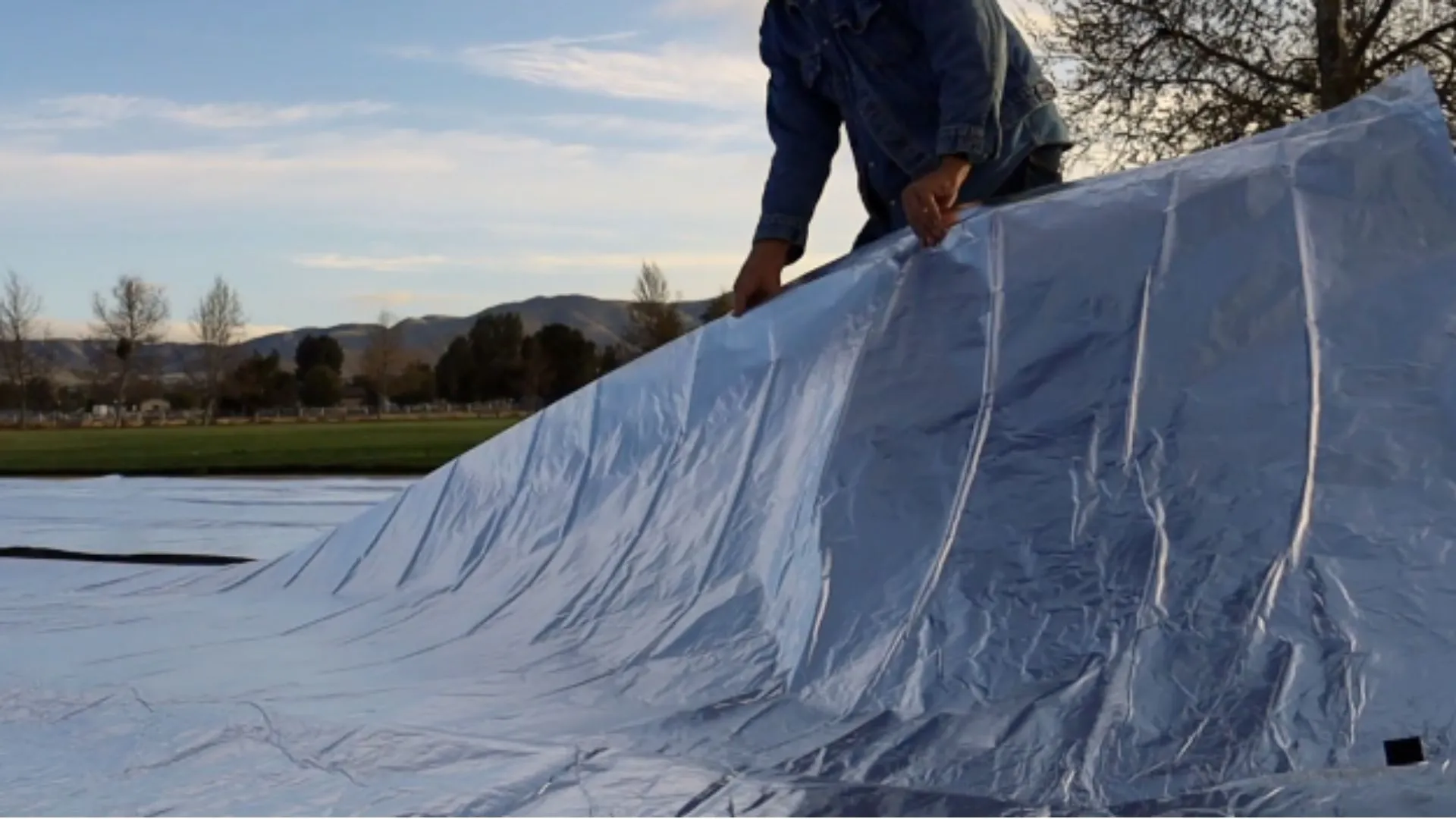

Let’s get one thing straight: a fire blanket will not protect your home from a wildfire. That’s a dangerous misconception. These small sheets are only for smothering a stovetop grease fire—period. They are useless against the intense radiant heat and ember attacks from a wildfire. The real solution is fire shield technology, a completely different class of protection. These large, aluminum-based barriers are engineered to reflect extreme heat and stop burning embers cold. To get this proven technology, you need to hire a professional ember protection service that specializes in defending homes.
Key Takeaways
- Prioritize the right technology: Wildfire’s biggest threats are radiant heat and embers, not direct flames. Choose an engineered fire shield designed to reflect heat and block embers, as a simple fire blanket offers no real protection for a structure.
- Choose a proven partner: Your provider is as critical as the product itself. Look for a wildfire defense specialist with a long track record, professional endorsements, and a clear plan for installation and ongoing support.
- Get a custom-fit solution: Effective protection isn’t one-size-fits-all. The right service will start with a detailed property assessment to create a tailored defense strategy that addresses your home’s specific vulnerabilities.
Understanding Your Wildfire Risk
Knowing how to protect your home starts with understanding when it’s most vulnerable. Wildfire risk isn’t just about living in a designated high-danger zone; it’s a dynamic combination of weather, landscape, and your home’s construction. Learning to read the signs of peak danger and recognizing your property’s specific weak points allows you to prepare effectively. It’s about shifting from a place of anxiety to one of empowered action. Two of the most important factors to consider are the daily weather conditions that can create a tinderbox and the building standards your home was constructed with, which determine its baseline resilience.
The “30/30/30 Rule” of Extreme Fire Danger
During fire season, it helps to have a quick mental checklist for gauging the day’s threat level. Firefighters and emergency services often use a simple rule of thumb known as the “30/30/30 Rule” to identify conditions of extreme fire danger. The formula is easy to remember: the risk becomes critical when temperatures climb above 30° Celsius (about 86° Fahrenheit), relative humidity drops below 30%, and winds gust over 30 kilometers per hour (around 19 mph). These three factors create a perfect storm for ignition and rapid spread. The high heat and low humidity dry out vegetation, turning it into ready fuel, while strong winds can carry embers for miles, starting new spot fires far ahead of the main blaze. Paying attention to these metrics can help you know when to be on high alert.
How Modern Building Codes Reduce Risk
The year your home was built can tell you a lot about its ability to withstand a wildfire. Modern building codes in high-risk areas often mandate features like non-combustible roofing, fire-resistant siding, and ember-proof vents. In fact, homes constructed under these wildfire-resistant rules are about 40% less likely to be destroyed than older homes. The problem is that these regulations are not universal; many states still lack statewide codes, leaving countless properties with hidden vulnerabilities. If you live in an older home, it likely wasn’t built with wildfire in mind. This is where proactive measures become essential. Upgrading vulnerable components is a great start, but for the highest level of defense, an external protection system like FireFoil’s fire shields can bridge the gap, providing a proven barrier against the intense radiant heat and embers that older construction simply wasn’t designed to handle.
What Does an Ember Protection Service Actually Do?
If you live in a wildfire-prone area, you know that protecting your home involves more than just clearing dry brush. Professional ember protection services offer a specialized defense designed to shield your property from the single greatest threat during a wildfire: flying embers. These tiny, burning embers can travel for miles ahead of the main fire front and are responsible for igniting the majority of homes lost in a wildfire.
These services deploy advanced systems and materials that go far beyond basic home hardening measures. They use proven technology to create a powerful barrier against both radiant heat and embers, which are the primary ways wildfires destroy structures. Many of these systems are designed to operate autonomously, detecting a nearby fire threat and activating to protect your home, even if you aren’t there. Think of it as a comprehensive security system for your property, but instead of guarding against intruders, it’s defending your home against the destructive forces of a wildfire. Hiring a professional service gives you access to expert knowledge, installation, and technology that has been tested and trusted in the field by firefighting professionals.
How Does Fire Shield Technology Protect Your Home?
At the core of most professional ember protection services is fire shield technology. This isn’t just a single product, but rather a system of specialized materials engineered to reflect intense radiant heat and block embers from igniting your home. For over two decades, FireFoil’s fire shield technology has been a trusted solution for the US Forest Service and professional firefighters protecting critical infrastructure. These shields are made from advanced, aluminum-based materials that reflect over 95% of radiant heat. This is vital because it’s often the intense heat from a nearby fire, not direct flames, that causes a structure to ignite. By creating a powerful thermal barrier, fire shields provide a robust defense that keeps your home safe.
Fire Shields vs. Fire Blankets: What’s the Real Difference?
It is absolutely critical to understand that a fire shield is not a fire blanket. This is a common and dangerous point of confusion. A fire blanket is a small, simple sheet of fire-retardant material designed to smother a small, contained fire, like one in a kitchen pan. It is completely ineffective for protecting an entire structure from a wildfire. A fire shield, on the other hand, is an engineered system specifically designed for structural protection. These are large-format, durable barriers built to withstand extreme radiant heat and a constant barrage of burning embers. Relying on a fire blanket for home protection creates a false sense of security; only a true fire shield offers the defense needed against a wildfire.
A Look Inside Modern Ember Protection Systems
Many modern ember protection systems are designed to be fully autonomous, offering 24/7 protection without requiring you to be home to activate them. These systems often use a network of sensors that can detect the high heat or infrared signature of an approaching wildfire. When a threat is detected, the system automatically activates, deploying fire shields or triggering other protective measures. This level of automation provides incredible peace of mind, ensuring your property is continuously monitored and defended. It removes the need for you to make last-minute, high-stress decisions, allowing the system to respond instantly when danger is near.
Automated Sprinkler and Retardant Systems
Some advanced ember protection services incorporate automated systems that actively defend your property. These systems often use exterior sprinklers that can deploy water or a fire-retardant gel to coat your home and the surrounding landscape. They are designed to operate independently, activating automatically when a wildfire approaches a predetermined perimeter or when on-site heat sensors detect a significant temperature spike. This proactive approach aims to extinguish embers as they land and increase the moisture content of potential fuels around your home, making ignition less likely. The goal is to create a protective bubble around the structure, reducing its vulnerability without requiring manual intervention during a high-stress evacuation.
Smart Technology and Real-Time Alerts
The brain behind many modern defense systems is smart technology that provides constant vigilance. Using a combination of satellite data, weather monitoring, and on-property sensors, these services watch for wildfire threats 24/7. When the system determines a fire is dangerously close, it can trigger the defensive measures automatically. Just as importantly, it keeps you in the loop. Homeowners typically receive real-time alerts via text message and email the moment the system activates. This communication is crucial, offering peace of mind by confirming that your property is being actively protected, even if you are miles away and unable to monitor the situation yourself.
Backup Water and Power Sources
A common concern during a wildfire is the potential loss of utilities. Professional ember protection services account for this by building redundancy into their systems. For sprinkler-based defenses, this often means having a backup water source, such as a dedicated tank or pool, that the system can automatically switch to if the municipal supply is compromised. These systems also include mechanisms to maintain steady water pressure, ensuring effectiveness even if nearby hydrants are in use by firefighters. Similarly, a reliable backup power source, like a generator or battery bank, is essential to keep the system’s sensors, pumps, and communication tools online when you need them most.
What Are Your Ember Protection Options?
Professional services offer a few different ways to access this vital protection. You can often purchase the equipment directly and have it professionally installed for permanent defense. Some companies also provide rental or deployment services, where a certified crew installs the protection ahead of an imminent fire threat and removes it once the danger has passed. This service model can reduce large upfront costs and eliminates the need for you to store and maintain the equipment yourself. It’s a practical option that gives you access to top-tier wildfire defense technology and professional expertise exactly when you need it most. You can explore a products and pricing guide to see what materials are available for purchase.
Concierge Services for High-Value Properties
For owners of large estates, vineyards, or critical commercial properties, the standard approach to wildfire defense might not be enough. This is where concierge-level services come in. These specialized programs are designed for high-value properties that require a completely customized and hands-on defense strategy. Think of it as having a dedicated wildfire defense team on your side. These services go beyond a simple installation, offering detailed property assessments to identify every unique vulnerability, from complex rooflines to surrounding vegetation. They then develop a tailored defense plan using advanced fire shield technology to ensure every angle is covered. This white-glove approach provides peace of mind, knowing your significant investment is protected by a comprehensive, expertly managed system. Some specialized ember protection services even offer exclusive packages for family offices and affluent property owners, ensuring year-round support and readiness.
A Proactive Approach: Home Hardening and Defensible Space
While professional ember protection services provide a critical layer of defense, you can also take proactive steps to make your property more resilient. This process is a two-part strategy: creating “defensible space” around your home and “hardening” the structure itself. Think of it as clearing the battlefield and reinforcing your fortress. Together, these actions dramatically reduce the chances of your home igniting during a wildfire by removing fuel sources and sealing off common entry points for embers. Taking these steps gives your home a fighting chance and provides a solid foundation for professional-grade protection systems to build upon.
Creating Defensible Space Around Your Home
Creating defensible space is all about managing the landscape surrounding your home to slow or stop the spread of wildfire. It’s not about clear-cutting your entire property, but rather creating strategic zones of fuel reduction. The goal is to interrupt the path of a fire, robbing it of the vegetation it needs to reach your house. This buffer gives firefighters a safer area to work in and reduces the intensity of the radiant heat your home is exposed to. A well-maintained defensible space is one of the most effective measures you can take to protect your property and is a prerequisite for any effective home defense plan.
The Home Ignition Zone (0-5 Feet)
The area immediately surrounding your home, extending five feet out from the foundation, is the most critical space to manage. This is the Home Ignition Zone. Flying embers are the primary cause of home ignition during a wildfire, and this is where they often land and accumulate. You should remove all flammable materials from this zone—this includes mulch, dead leaves, firewood piles, and even flammable patio furniture. Use non-combustible materials like gravel or pavers instead. Professional ember protection services focus heavily on this area, as it’s the last line of defense before embers can make direct contact with your home’s structure.
Managing Vegetation and Trees
Beyond the five-foot zone, your focus should be on thinning and maintaining vegetation to reduce fuel continuity. This means removing dead plants, leaves, and pine needles from your yard and roof. Prune tree limbs so they are at least six to ten feet from the ground to prevent a ground fire from climbing into the canopy. It’s also important to ensure no tree branches overhang your roof or come within ten feet of your chimney. Every property is unique, so a tailored defense strategy that considers your specific landscape and topography is always the most effective approach to managing vegetation.
Hardening Your Home’s Structure
Home hardening focuses on modifying the physical structure of your house to make it more resistant to heat and embers. While defensible space manages the area around your home, hardening reinforces the building itself. This involves upgrading vulnerable components with fire-resistant materials and sealing any small gaps where a stray ember could sneak in. Even small changes can make a significant difference in whether your home survives a wildfire. It’s about creating a structure that is inherently less likely to ignite, even when embers are raining down from an approaching fire front.
Securing Vents and Sealing Cracks
Embers are tiny and can be carried by wind into the smallest openings of your home, igniting it from the inside out. Vents—for your attic, foundation, or dryer—are essentially open doors for embers. You can secure them by installing 1/8-inch metal mesh screening over all vent openings. Beyond vents, inspect your home for any small cracks or gaps where embers could enter. Check around windows and doors, where pipes and wires enter the wall, and along the foundation. Use caulk and weather stripping to seal these openings, creating a tighter, more ember-resistant shell around your home.
Choosing Fire-Resistant Building Materials
The materials your home is built with play a huge role in its ability to withstand a wildfire. When building or renovating, prioritize Class A fire-rated roofing materials like composite shingles, metal, or tile. For siding, choose non-combustible options like fiber cement, stucco, or brick over wood. While these materials provide a strong first line of defense, the ultimate protection comes from specialized fire shield technology. These systems are specifically engineered to reflect the intense radiant heat that can cause even fire-resistant materials to ignite, providing a crucial barrier that keeps your home’s structure safe.
Upgrading Windows and Doors
Windows are one of the most vulnerable parts of a house during a wildfire. The intense radiant heat can shatter single-pane glass, allowing embers and flames to enter. Upgrading to dual-pane windows, with at least one pane made of tempered glass, provides significantly more protection. For doors, ensure your exterior doors are solid-core and form a tight seal with the frame. While these upgrades are important, they are part of a larger system. A true fire shield is designed to protect the entire structure, including these vulnerable points, by creating a barrier that can withstand the extreme conditions that cause windows and doors to fail.
How to Choose the Right Ember Protection Service
Choosing the right partner to protect your home from wildfires is a big decision. You’re not just buying a product; you’re investing in peace of mind and a critical layer of defense for your property. The right provider will have deep expertise, proven technology, and a commitment to helping you through every step of the process. As you compare your options, focus on companies that specialize in wildfire protection and have a long history of success. Look for a team that acts as a true partner, offering transparent information and solutions tailored to your specific needs.
What Makes a Great Provider?
Start by looking for a provider that specializes exclusively in wildfire defense. A general contractor might not understand the unique ways fire and embers can threaten a structure. You want a team whose entire focus is on this specific challenge. Look for a company with a proven track record and years of experience, especially one trusted by professionals. For example, FireFoil’s technology has been used by the US Forest Service for over two decades, a testament to its reliability. A provider’s history and mission can tell you a lot about their expertise and commitment to protecting homes and critical infrastructure from wildfire threats.
Does Their Technology Measure Up?
The technology a provider uses is the core of their service. Some companies install water-based sprinkler systems, which can be effective but rely on a constant water supply and pressure—something that isn’t always guaranteed during a wildfire event. A more resilient option is a physical barrier, like a fire shield. This type of technology works without water or chemicals, reflecting radiant heat and blocking embers from igniting your home. When evaluating providers, ask about their specific products and the science behind them. Look for solutions that have been rigorously tested and used in real-world fire events to safeguard structures successfully.
Do They Service Your Area?
Wildfire risk varies dramatically by location, so it’s important to work with a provider who understands your local environment. Before you get too far into the process, confirm that the company serves your specific region. A local or regional provider will be familiar with the area’s topography, typical weather patterns, and local building codes or fire regulations. This regional expertise ensures that the protection plan they design for your property is based on relevant, on-the-ground knowledge. Most professional services will have a clear map or list of their service areas on their website.
How Much Installation Experience Do They Have?
The most advanced fire shield in the world won’t be effective if it’s not installed correctly. Look for a provider with a team of experienced, well-trained installers. Ask about their training process and if they have experience with homes similar to yours in terms of architecture and materials. A reputable company should be able to show you a portfolio of their previous work or provide case studies of successful installations. Proper installation is critical for ensuring there are no gaps or vulnerabilities where embers could penetrate, so don’t hesitate to ask detailed questions about their process.
What Support and Maintenance Do They Offer?
Wildfire protection is not a one-time transaction; it’s an ongoing partnership. Before committing, understand what kind of support and maintenance the provider offers after the installation is complete. Do they offer annual inspections to ensure the system is still in perfect condition? What kind of support is available if a fire threat is imminent? Some providers may offer different service models, from a one-time purchase to ongoing maintenance plans. Find a company that offers a service structure that fits your needs and demonstrates a long-term commitment to protecting your property year after year.
What Are Other Homeowners Saying?
Hearing from other homeowners can provide valuable insight into a company’s reliability and customer service. Look for reviews and testimonials on the company’s website, but also check third-party platforms for more unbiased feedback. Pay attention to what customers say about the entire experience—from the initial consultation and installation process to the team’s professionalism and responsiveness. High ratings are a good sign, but detailed reviews that describe how the company handled specific challenges or questions can give you a much clearer picture of what it’s like to work with them.
Must-Have Features in an Ember Protection System
As you compare different ember protection services, it can be tough to know what really matters. Not all systems are created equal, and the technology can vary quite a bit. To make a confident choice, focus on a few key features that separate the most effective solutions from the rest. These are the non-negotiables that ensure your property gets the highest level of defense when a wildfire threatens your area. From heat reflection to custom-fit plans, here’s what you should be looking for.
Why Advanced Heat Shielding Is a Must
A wildfire’s greatest weapon is radiant heat—the intense energy that can ignite your home from a distance without ever touching a flame. Your protection system must be able to stand up to this threat. Look for technology specifically designed to reflect the vast majority of this heat away from your structure. For example, FireFoil’s professional-grade shields are engineered to reflect over 95% of radiant heat. This is the core function of a fire shield, a technology far more advanced than a simple fire blanket, which is completely unsuitable for protecting a home. A true shield creates a barrier that keeps extreme temperatures from compromising your home’s exterior.
Look for Proven Ember Defense
Embers are the primary cause of home loss during a wildfire. These tiny, burning particles can travel for miles on the wind and easily find their way into vulnerable spots like vents, eaves, and under decks. An effective defense system must stop these embers cold. Some systems use sprinklers or gels, but a physical barrier offers a more direct line of defense. A fire shield physically blocks embers from making contact with your home’s surfaces, preventing them from lodging in crevices and starting a fire. This method provides a reliable layer of protection against the most persistent threat from a wildfire.
Get a Custom Plan for Your Home
Every home is unique, with its own specific vulnerabilities and architectural details. A one-size-fits-all approach to wildfire protection simply doesn’t work. The best providers will start with a thorough risk assessment of your property to identify weak points. They should then design a tailored strategy that addresses your home’s specific needs. This might involve using large shields for roofs and walls and narrower rolls for detailed areas like corners and eaves. A customized plan ensures that every part of your home is accounted for, giving you comprehensive and effective coverage where you need it most.
Ask About Potential Insurance Discounts
Investing in a professional wildfire defense system isn’t just about protection—it can also be a smart financial decision. Many insurance companies recognize the value of proactive mitigation and may offer discounts on your homeowner’s policy for installing a certified system. When you’re talking to providers, ask if their systems are recognized by insurance carriers. It’s also a great idea to call your insurance agent directly to see what kinds of wildfire mitigation efforts they reward. Reducing your risk can lead to real savings, making a top-tier protection system even more accessible.
The Peace of Mind of Automated Monitoring
In a wildfire situation, you may not be home or have time to react. This is where automated systems can provide incredible peace of mind. Some modern systems use sensors to detect an approaching fire and automatically deploy defenses like sprinklers or foam. While these are an option, it’s also important to consider systems that offer passive but powerful protection. A deployed fire shield, for instance, works continuously without needing power, a water source, or an internet connection to function. It’s a form of reliable, automated protection that stands guard whether you’re home or away, ensuring your defense is always active.
Water-Free or Water-Based: Which Is Right for You?
Wildfire protection systems generally fall into two categories: those that use water and those that don’t. Water-based systems, like sprinklers and gels, can be effective but come with a major catch—they depend on a consistent water supply and power, both of which can be compromised during a wildfire. In contrast, water-free fire shields offer a more resilient solution. They create a physical barrier that reflects heat and blocks embers without needing any water or chemical retardants. This makes them incredibly reliable, especially in drought-prone areas or during widespread power outages, ensuring your home’s defense remains intact when you need it most.
What’s the Real Cost of Ember Protection?
Protecting your home from wildfire is a significant investment, so it’s important to understand what goes into the price. The total cost depends on your property’s size, its specific risks, and the type of protection system you choose. While it might seem like a lot upfront, think of it as a long-term investment in your home’s safety and your peace of mind. Breaking down the expenses can help you budget effectively and see the full value of a professional ember protection service. From the initial consultation to ongoing upkeep, here’s a look at the costs you can expect.
What to Expect from an Initial Assessment Fee
The first step with any professional service is a thorough property assessment. An expert will visit your home to identify specific vulnerabilities, measure the areas that need protection, and recommend a custom solution. Some companies offer this initial consultation for free, while others charge a fee that may be credited toward your final installation cost if you move forward. Don’t shy away from a paid assessment—it often means you’re getting a more detailed and actionable plan from a team of seasoned wildfire protection experts. This evaluation is critical for designing a system that truly fits your home’s needs.
How Are Equipment and Installation Priced?
This is the largest part of your investment. The final price tag includes both the physical equipment and the professional installation. Costs vary widely depending on the technology. For example, an automated exterior sprinkler system will have a different price point than a structural solution like FireFoil’s fire shields, which are installed directly onto your home. Some providers may also offer different ownership models, such as leasing or renting equipment, which can lower the initial expense. Always ensure the quote includes installation by certified technicians, as proper setup is essential for the system to perform correctly during a fire.
Average Costs for Key Upgrades
To put the cost of a dedicated ember protection system into perspective, it’s helpful to see how it compares to other home hardening projects. Making your home more fire-resistant can range from a few thousand dollars for basic changes to over $100,000 for a complete overhaul. For example, a new fire-resistant roof averages around $5,860, while upgrading exterior walls can cost about $12,190. Even creating a safer yard has an average price tag of roughly $2,570. While these are all valuable steps in reducing your home’s overall risk, they address different vulnerabilities. A professional ember protection service provides a targeted defense against the immediate, intense threats of radiant heat and embers—the very dangers these broader upgrades may not fully stop on their own.
How You Can Get Insurance Discounts
Here’s some good news: your investment in wildfire protection can often lead to savings on your homeowner’s insurance. Many insurance carriers offer discounts for homes with certified fire mitigation systems because they significantly reduce the risk of a total loss. Before you commit to a system, call your insurance agent. Ask them which types of wildfire protection systems qualify for a premium reduction and what documentation you’ll need to provide after installation. This proactive step can help offset the cost of the system over time, making it an even smarter financial decision.
State Programs and Financial Incentives
Beyond insurance discounts, many states offer financial help to homeowners who take proactive steps to protect their properties. If you live in a high-risk area, it’s definitely worth looking into state and federal grant programs designed to offset the cost of wildfire mitigation. California, for example, has several initiatives, from the California Wildfire Mitigation Program to specific Wildfire Prevention Grants that support risk reduction projects. On a national level, programs like the Community Wildfire Defense Grants provide funding to at-risk communities across the country. These programs can make investing in professional-grade solutions, like a comprehensive fire shield system, much more manageable. A little research into what your state offers could uncover resources that help you afford the best possible protection for your home.
Are There Tax Benefits Available?
Depending on where you live, you might be able to get some help paying for your home hardening efforts. Some federal, state, and local governments offer grants, rebates, or tax credits to encourage homeowners to make their properties more wildfire-resistant. These programs can significantly reduce your out-of-pocket costs. A great place to start is by searching online for wildfire mitigation grants in your state or county. You can also check with your local fire department, as they often have information on available financial assistance programs for residents.
What Payment Options Are Offered?
The upfront cost of a comprehensive wildfire protection system can be substantial, but many providers offer flexible ways to pay. Don’t hesitate to ask about your options. Some companies offer financing plans that allow you to spread the cost over several months or years. Others may have service packages, such as quarterly or seasonal plans, that bundle installation and maintenance into a recurring payment. Exploring these options can make a top-tier system more accessible and help you fit this critical home upgrade into your budget without financial strain.
Don’t Forget About Long-Term Maintenance Costs
Your financial planning shouldn’t stop once the system is installed. To ensure your investment continues to protect your home effectively, you need to account for long-term maintenance. Systems with mechanical parts, like sprinklers and pumps, require regular inspections and upkeep to stay in working order. Ask potential providers for a clear maintenance schedule and a breakdown of associated costs. Understanding these ongoing expenses from the start will help you create a realistic long-term budget and ensure your system is always ready to perform when you need it most.
Your Step-by-Step Guide to Getting Protected
Taking the first step to protect your property can feel like a big project, but breaking it down makes it manageable. Here’s a clear path to follow, from initial research to final installation, so you can confidently secure your home or business against wildfire threats.
Start by Researching and Comparing Providers
Start by exploring the different types of ember protection available. You’ll find systems that are water-based and others that rely on physical barriers. For example, some companies offer automated sprinkler systems that pull from a municipal water source to douse your roof when a fire is near. While innovative, these systems depend on water pressure and power. In contrast, a physical barrier like FireFoil’s fire shield technology provides a water-free and power-free defense. It’s a different philosophy—one focused on a durable, passive barrier that reflects heat and blocks embers without relying on active resources. As you compare, consider what approach gives you the most peace of mind.
Schedule Your On-Site Assessment
Once you’ve shortlisted a few providers, the next step is a property risk assessment. A professional will visit your property to evaluate its specific vulnerabilities. They’ll look at things like your roofline, vents, decks, and the surrounding landscape. As experts at Ember Tech Fire Solutions note, the goal is to conduct a “thorough property risk assessment” to create a tailored strategy. This is where a company’s range of products becomes important. A one-size-fits-all solution rarely works. A provider should be able to offer custom solutions, like the various FireFoil shields designed for large surfaces, edges, and architectural details.
Review Your Custom System Design
Following the assessment, the provider will present a detailed plan and proposal. This plan should outline exactly how they intend to protect your structure. For automated systems, this might involve programming a system to deploy when a wildfire gets within a certain distance. For a fire shield system, the plan will map out which surfaces need coverage and the best materials for the job. This is your chance to ask questions and fully understand the strategy. A good plan is clear, addresses the risks identified in the assessment, and aligns with your budget and protection goals.
Confirm the Installation Timeline
The installation timeline can vary widely depending on the complexity of the system and the provider’s schedule. Ask for a clear estimate of how long the process will take from start to finish. Some installations can be completed in a day, while more complex projects might take longer. It’s also a good time to ask about service models. Some companies offer seasonal packages or ongoing service agreements that bundle installation with maintenance. Be sure you understand what’s included and what the schedule looks like before you commit.
Set Up Your Maintenance Schedule
Any protection system needs regular maintenance to ensure it’s ready when you need it most. For sprinkler systems, this means checking pumps, nozzles, and water lines. For physical shields, it involves inspecting for damage and ensuring they are stored correctly and accessible. Some companies offer service models with “no maintenance or storage responsibilities,” which can be a convenient option. FireFoil shields are designed for durability and reuse, requiring minimal upkeep, but you’ll still want a clear plan for inspecting and deploying them each fire season.
Always Ask for Safety Certifications
Finally, and most importantly, verify the credibility of the technology you’re choosing. Look for solutions that are trusted by professionals. FireFoil, for instance, is a provider of professional-grade protection trusted by firefighters and the US Forest Service for decades. This is where the distinction between a true fire shield and a simple fire blanket is critical. Fire blankets are not certified or designed to protect a structure from a wildfire. A proven fire shield, however, is engineered and tested specifically for this purpose, offering a level of defense that uncertified products simply cannot match.
Planning for an Emergency: Evacuation and Safety
While protecting your home with the right technology is a critical part of your wildfire strategy, your personal safety and that of your family is the absolute top priority. A physical shield can defend your property, but a well-rehearsed safety plan is what protects you. When an evacuation order comes, stress and panic can make it difficult to think clearly. Having a plan in place ahead of time removes the guesswork, allowing you to act quickly and confidently. This preparation is not just about having a bag packed; it’s about creating a clear, actionable strategy that everyone in your household understands and can follow without hesitation.
Developing a Family Evacuation Plan
Your family’s safety starts with a solid plan. The Los Angeles Fire Department advises creating a detailed Wildfire Action Plan that covers every member of your household, including pets. Start by mapping out at least two different evacuation routes from your neighborhood, since one could be blocked by fire or traffic. Designate a primary meeting spot nearby and a secondary one farther away in case you get separated. It’s also smart to choose an out-of-state friend or relative as a central contact person everyone can check in with. Most importantly, practice your plan. Run through it like a fire drill so that when the time comes, everyone knows exactly what to do, where to go, and how to connect.
Assembling Your Emergency Kit
When you’re told to evacuate, you need to be able to leave immediately. That’s why having a pre-packed emergency kit, or “go-bag,” is essential. This kit should contain everything you need to be self-sufficient for at least 72 hours. According to CAL FIRE’s evacuation guide, your kit should include essentials like water, non-perishable food, a manual can opener, any necessary medications, a battery-powered radio, and flashlights with extra batteries. Don’t forget to add copies of important documents, cash, a first-aid kit, and basic sanitation supplies. Keep this kit in a cool, accessible place like a hall closet or your garage, and consider packing a smaller version to keep in your car as well.
What to Do During and After a Wildfire
During a wildfire event, your most important job is to stay informed and follow the guidance of emergency officials. You can stay informed about wildfire risk by signing up for local community alerts and monitoring reliable news sources. When an evacuation order is issued, leave right away. Hesitating not only puts you at greater risk but can also create traffic that hinders first responders. After the fire has passed, do not return home until officials have declared it safe. The danger isn’t over just because the flames are gone; hazards like downed power lines, unstable trees, and hot spots can remain. Once you get the all-clear, proceed with caution and check on your neighbors if you can do so safely.
Ensuring Access for Emergency Vehicles
Your ability to evacuate quickly and safely has a direct impact on firefighters’ ability to protect your community. As FEMA points out, well-planned evacuations create safer conditions for both residents and first responders. When preparing to leave, make sure your car isn’t blocking the road or your driveway. If possible, park it facing the direction of your evacuation route to make for a quick departure. It’s also crucial that your home’s address is clearly visible from the street, day or night, so emergency crews can find you if needed. By keeping routes clear and evacuating promptly, you become a partner in the community-wide effort to manage the emergency effectively.
Related Articles
- Your Home’s 5 Most Vulnerable Parts to Embers
- The Ultimate Guide to a Home Ember Barrier
- The Best Ember Proof House Wrap: A 2025 Guide
- Best Emergency Fire Protection Products: A Guide
Frequently Asked Questions
I’ve seen ‘fire blankets’ for homes online. Is that the same as a fire shield? This is a great question, and the answer is a firm no. A fire blanket is a small piece of treated fabric meant to smother a minor fire, like one on your stovetop. It is completely unsuitable and unsafe for protecting a structure from a wildfire. A fire shield is an entirely different technology. It’s an engineered system made of advanced materials, like aluminum composites, designed to reflect intense radiant heat and create a physical barrier that blocks a constant storm of burning embers from igniting your home.
Which is better for my home: a water-based sprinkler system or a physical fire shield? Both systems have their place, but they operate on different principles. Sprinkler systems can be effective, but they depend entirely on having a consistent water supply and power to run the pumps—two things that are often compromised during a major wildfire. A physical fire shield, on the other hand, provides a passive, reliable defense. Once it’s in place, it works without water, chemicals, or electricity, reflecting heat and blocking embers no matter what the conditions are on the ground.
Can I just buy the materials and install them myself to save money? While the desire to be hands-on is understandable, professional installation is critical for this kind of protection. An expert can spot vulnerabilities you might miss, like small gaps in your eaves or specific vent types that are prone to ember intrusion. They ensure the shields are fitted perfectly to your home’s unique architecture, leaving no entry points for embers. A
Is investing in a professional system really worth the cost? Protecting your home is a significant investment, but it’s one that pays off in security and resilience. Beyond safeguarding your property, many insurance companies recognize these systems as a serious form of risk reduction and may offer discounts on your homeowner’s policy. It’s always a good idea to call your agent and ask what mitigation efforts they reward. This can help offset the initial cost and makes the system a smart financial decision in the long run.
What’s the very first step I should take if I’m interested in this? The best place to start is with a professional property risk assessment. A specialist will evaluate your home and its immediate surroundings to identify its specific weak points in a wildfire. This gives you a clear, customized roadmap for protection instead of a generic, one-size-fits-all solution. The assessment provides the expert insight you need to make an informed decision about how to best defend your home.