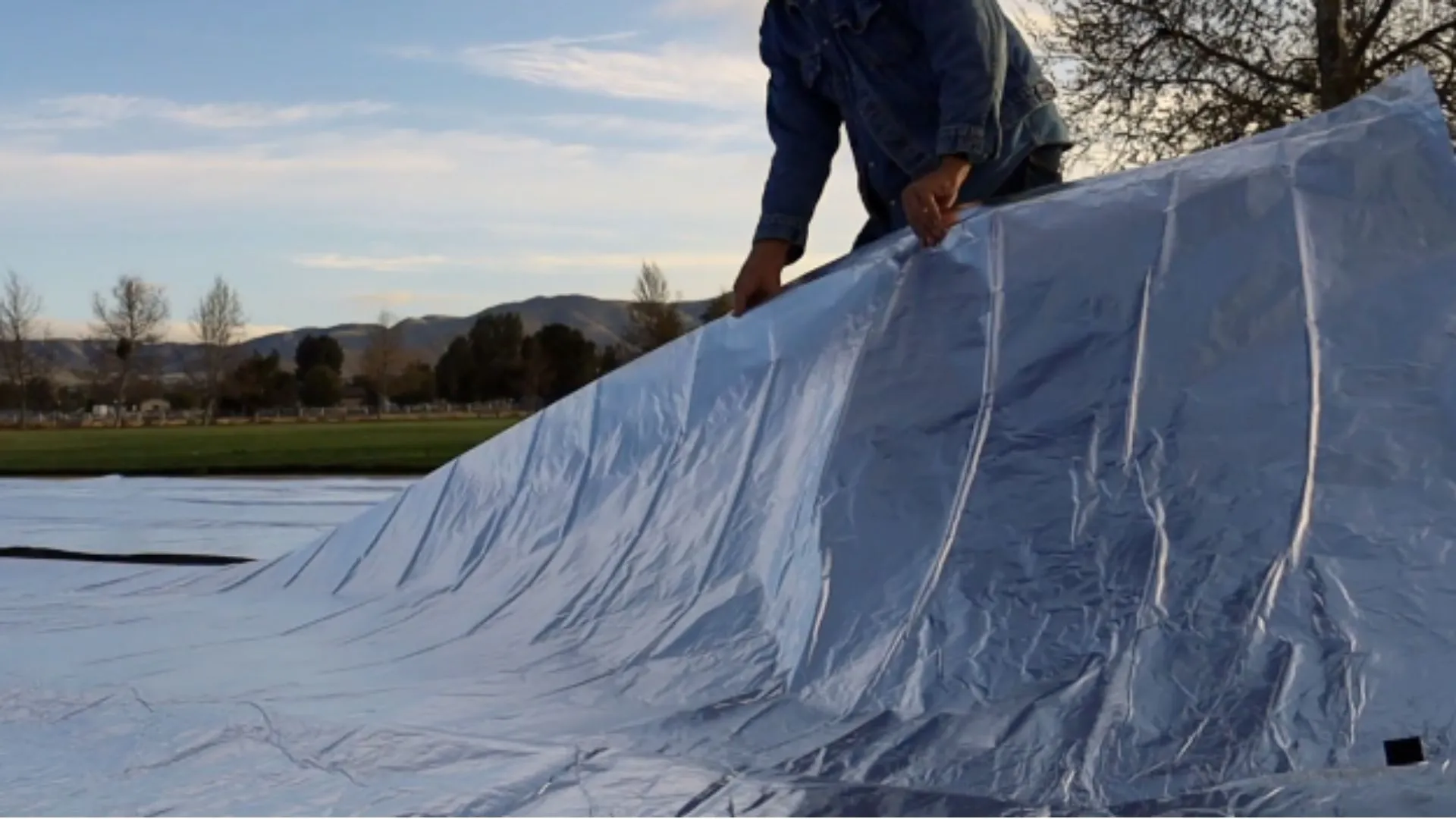

You’ve done the hard work: clearing defensible space and checking your alarms. So, what’s the next step for truly protecting your home from a wildfire? Look to the pros. For years, agencies like the US Forest Service have used deployable fire shields to save priceless monuments. This same professional-grade technology is now available for your emergency fire protection plan. These advanced shields reflect over 95% of radiant heat and stop burning embers cold. But let’s be clear: this is not a fire blanket. Fire blankets are useless for protecting a structure, whereas a fire shield is specifically engineered to save your home.
Key Takeaways
- Build a layered defense: True home protection combines physical barriers like fire shields with smart property maintenance, such as creating defensible space, and a practiced family emergency plan.
- Use the right tool for the job: A fire shield is not a fire blanket. While a blanket is for small kitchen fires, a professional-grade fire shield is the only proven technology designed to protect your home’s exterior from a wildfire’s radiant heat and embers.
- Turn your plan into practice: Owning protection systems isn’t enough. You need to regularly inspect your equipment, practice deploying your shields, and run through your family’s evacuation plan to ensure everyone and everything is ready to go when it counts.
How Can You Protect Your Home From Fire?
When you think about protecting your home from fire, smoke detectors and a kitchen fire extinguisher are probably the first things that come to mind. While those are absolutely essential, a complete home fire protection strategy goes much deeper, especially if you live in an area threatened by wildfires. It’s about creating layers of defense that work together to keep your property and family safe by addressing threats both inside and outside the home.
These systems are generally divided into two main categories: active and passive. Active systems are designed to respond to a fire once it has started—think of things that spring into action. Passive systems, on the other hand, are built-in features of your home that help contain a fire and slow its spread without needing to be activated. Understanding the role of each is the first step in building a comprehensive plan that covers all your bases, from early detection to structural defense. Modern technology, like the advanced fire shields used by professional firefighters, adds another powerful layer to this strategy, giving you proactive control when you need it most. By combining these approaches, you can create a robust defense that doesn’t just react to a fire but actively works to prevent catastrophic damage.
Active vs. Passive: What’s the Difference?
Active fire protection systems are the first responders inside your home. They include things like fire sprinklers, alarms, and extinguishers that require some form of action—either automatic or manual—to work. For example, a sprinkler head activates when it detects a certain temperature, and an alarm sounds when it senses smoke. Passive systems are the silent guardians. These are features integrated into your home’s structure, like fire-resistant drywall or fire-rated doors, that help contain a fire and prevent it from spreading. They don’t need to be turned on; their job is to simply be there, providing a crucial barrier that can buy you valuable time in an emergency.
How Does Modern Fire Shield Technology Work?
Modern fire shield technology represents a major step forward in proactive defense, particularly against wildfires. Unlike systems that react to a fire, a fire shield like FireFoil is a deployable barrier designed to prevent ignition in the first place. Made from advanced, heat-reflective materials, these shields can reflect over 95% of radiant heat and block embers from landing on vulnerable surfaces like your roof or walls. This is the same professional-grade technology trusted by the US Forest Service to protect critical structures. The key advantage is its independence; it doesn’t rely on water, power, or a call to emergency services to be effective, giving you a reliable way to defend your home on your own terms.
Why Aren’t Traditional Methods Enough?
While traditional systems are important, they have limitations. Fire alarms are great for alerting you to an internal fire, but their effectiveness can be delayed if they rely on someone to manually call for help. When it comes to sprinklers, many homeowners have valid concerns about the potential for significant water damage, which can sometimes be as destructive as the fire itself. These systems are also primarily designed for fires that start inside the home. They offer little to no protection against the unique threat of a wildfire, where your home is bombarded by radiant heat and a storm of burning embers from the outside. This is where a more specialized defense becomes critical.
Your Checklist for Complete Home Fire Protection
True home protection isn’t about a single product; it’s a comprehensive strategy with multiple layers of defense. Think of it as a complete system where every part works together to keep your property and family safe. From early warnings that give you precious time to act, to physical barriers that shield your home from the fire itself, a solid plan covers all the bases. It also includes smart preparation of your property and ensuring first responders can get to you when you need them most.
Start with Reliable Detection and Alerts
The first step in any fire safety plan is knowing there’s a threat. Early detection is your first line of defense, and it starts with reliable smoke and heat detectors. It’s essential to have these installed on every level of your home, inside and outside sleeping areas. For an added layer of security, consider smart systems that send alerts directly to your phone, so you’re aware of a potential fire even when you’re not home. Remember that this equipment is only effective if it’s working correctly. You should test your alarms monthly and replace the batteries at least once a year.
Why a Professional-Grade Fire Shield is Essential
While alarms alert you to danger, you also need a way to physically protect your home’s exterior from radiant heat and embers, which are the primary threats in a wildfire. This is where professional-grade fire shields come in. Unlike temporary or DIY solutions, these systems are engineered to withstand extreme conditions. For example, FireFoil’s wildfire shields are trusted by the US Forest Service because they reflect over 95% of radiant heat and create a powerful barrier against flying embers. Installing a proven shield system gives your home a fighting chance by preventing ignition in the first place.
Focus on Your Home’s Most Critical Areas
How you manage the space around your home is just as important as the structure itself. The goal is to create a “defensible space” by reducing flammable materials that a wildfire could use as fuel. This means clearing dead leaves, branches, and dry brush from your roof, gutters, and the area immediately surrounding your home—ideally up to 100 feet if possible. You can also make your home “harder” to burn by choosing fire-resistant materials for roofing and siding. Taking these steps can dramatically reduce your property’s risk and slow a fire’s spread.
Create a Clear Path for Emergency Access
During an emergency, every second counts. First responders need to be able to find and reach your home quickly and safely. Make sure your house number is large, reflective, and clearly visible from the street. It’s also important that your driveway and any access roads are wide enough for emergency vehicles to pass through—a good rule of thumb is at least 16 feet wide. Your property should also have at least two entry and exit routes. These simple measures are a critical part of your emergency preparedness plan and can make a life-or-death difference for both your family and the firefighters coming to help.
How Fire Shield Technology Defends Your Home
When a wildfire approaches, your home faces two primary threats: intense radiant heat that can ignite surfaces from a distance and a shower of burning embers that can find their way into tiny openings. Modern fire shield technology is designed to counter both of these dangers directly, offering a layer of defense that works when you need it most. It’s a proactive strategy that puts protection back into your hands.
Reflecting Intense Heat and Blocking Deadly Embers
The core function of a fire shield is simple yet incredibly effective. FireFoil’s aluminum-based shields are engineered to reflect over 95% of the radiant heat from a wildfire. This is critical because radiant heat alone can be hot enough to ignite your home’s siding, windows, and roof without any direct flame contact. By reflecting this energy away, the shield keeps the underlying structure at a safe temperature.
At the same time, the shield creates a physical barrier against wind-blown embers, which are a leading cause of home loss during wildfires. These embers can travel for miles and easily get into vents, under eaves, or onto decks, where they can smolder and start a fire. Our Wildfire Ember & Fire Shields are designed to block these ignition sources, keeping your home sealed and secure.
Fire Shields vs. Fire Blankets: What’s the Difference?
It’s important to clear up a common point of confusion: fire shields are not fire blankets. You might see media reports use the terms interchangeably, but they are fundamentally different tools for different jobs. A fire blanket is a small, handheld item designed to smother a minor kitchen fire. It is completely inadequate for protecting a structure from a wildfire.
A fire shield, on the other hand, is a professional-grade system specifically engineered to cover large surfaces like roofs and walls. Developed over decades of use by professionals, FireFoil technology provides a robust barrier against the extreme conditions of a wildfire. While a blanket would be useless against a wall of flame, a fire shield is the proven home defense solution trusted by firefighters.
Get Protection Without Water or Chemicals
Many fire protection systems rely on external resources that can become unreliable during an emergency. Sprinkler systems need water pressure and electricity, both of which can be cut off during a wildfire. Chemical retardants are often applied by air and can’t be guaranteed to arrive in time.
FireFoil shields give you control because they don’t depend on water, power, or chemical agents to work. This self-sufficiency is a major advantage when traditional firefighting resources are stretched thin. You can deploy the shields ahead of a fire front, creating a passive and powerful defense that remains effective no matter the conditions. It’s a reliable layer of protection that has been used to safeguard critical infrastructure and national monuments for over two decades.
How to Choose the Right Fire Protection System
Choosing the right fire protection system can feel like a huge decision, but it doesn’t have to be overwhelming. By breaking it down into a few key steps, you can confidently select a solution that fits your property, environment, and needs. It’s all about understanding your specific situation and finding a system that gives you reliable control when it matters most. Let’s walk through the four main areas to consider.
Start by Assessing Your Property’s Risks
Start with what you can control: your home and the area immediately around it. The goal is to make your property less inviting to fire. This involves creating what experts call ‘defensible space’ by clearing away flammable vegetation, dead leaves, and other debris from around your structures. You should also examine your home itself for vulnerabilities. Are your vents covered with fine mesh to block embers? Is your roofing material fire-resistant? Taking steps to prepare and protect your home makes it a much harder target for a wildfire, giving any protection system a better chance to succeed.
Evaluate Wildfire Risks in Your Area
Next, look beyond your property line. The landscape and typical weather patterns in your area play a huge role in your home’s wildfire risk. Are you surrounded by dense, dry forest or grassland? Is your home located on a slope, where fire can travel faster? Understanding these external factors is crucial. You should also be aware of the critical fire weather conditions common to your region, such as low humidity and strong winds, which can create extreme fire behavior. This broader environmental assessment helps you grasp the scale of the threat you’re preparing for and choose a system robust enough to handle it.
Understanding Different Fire Suppression Systems
Beyond the alarms and shields designed for residential use, there’s a whole world of specialized fire suppression systems. These are typically found in commercial or industrial settings where the fire risks are very specific, like a factory with flammable chemicals or a data center full of sensitive electronics. These systems are engineered to actively extinguish a fire once it has started, often using agents like foam, chemicals, or gas. While they are powerful tools in the right context, it’s helpful to understand what they do and why they aren’t the solution for protecting your home’s exterior from a wildfire. Their design is fundamentally different from a proactive defense system meant to prevent ignition in the first place.
Foam-Based Systems
Foam-based systems are incredibly effective at putting out fires involving flammable liquids. Think of an airport hangar or a chemical storage facility—places where a water-based sprinkler might not work or could even make things worse. Using water on a chemical or oil fire, for example, can cause a dangerous reaction that spreads the flames. Instead, these systems release a foam that blankets the fuel source, cutting off its oxygen supply and cooling it down. While excellent for these specific industrial applications, they are not practical or designed for residential wildfire defense. They are complex, permanent installations intended to fight an active, internal fire, not to shield a home from an external threat like radiant heat and flying embers.
Chemical-Based Systems
Chemical fire suppression systems use a dry or wet agent to chemically interrupt the combustion process, effectively stopping the fire in its tracks. You’ll often find these systems protecting high-value equipment in places like commercial kitchens, paint booths, or server rooms. They can extinguish a fire quickly without the water damage associated with traditional sprinklers. However, they come with their own set of considerations. The chemical discharge can require significant cleanup, and some older agents have raised environmental concerns. Like foam systems, they are a reactive solution for a fire that has already started inside a structure, not a proactive barrier against an approaching wildfire.
Gas-Based Systems
Gas-based systems are designed for environments where even the residue from a chemical system could be destructive. In places like museums, archives, or data centers, these systems release an inert gas (like carbon dioxide or nitrogen) that floods the room and displaces the oxygen, suffocating the fire. This method is highly effective and leaves no residue behind, making it ideal for protecting invaluable assets from the kind of damage that water or foam systems can cause. The major drawback, however, is that by removing oxygen, these systems also create an environment that cannot support life. This makes them completely unsuitable for residential spaces and highlights their role as a last-resort solution for protecting high-value, unoccupied assets.
What Does Installation Involve?
Every fire protection system has different needs for installation and operation. Some systems, like sprinklers or fire-retardant gels, depend on a constant water supply and electrical power—resources that can become unavailable during a wildfire. When you’re comparing options, think about reliability under worst-case scenarios. A system that functions independently gives you true peace of mind. For example, a physical barrier like a fire shield is deployed before the threat arrives and doesn’t rely on water, power, or emergency services to do its job. This self-sufficiency is a key factor when you compare wildfire protection shields to other methods.
The Importance of Professional Installation and Safety Standards
When it comes to something as critical as fire safety, this isn’t the time for a DIY project. A poorly installed system might not work when you need it most, creating a false sense of security that puts your home and family at greater risk. Professional installers understand the complex codes and standards that govern these systems. They often hold special certifications that verify their expertise, ensuring every component is installed correctly and will function as designed during an emergency. Investing in professional installation isn’t just about convenience; it’s about making sure your chosen defense is reliable and ready to perform when it counts.
Does It Integrate With Your Existing Systems?
Your fire protection system doesn’t have to work in isolation. The most effective strategies often layer different technologies. For instance, you might pair a physical barrier like a fire shield with early detection systems that alert you to a nearby fire. You could also integrate smart fire safety technology that monitors temperature and air quality. Thinking about how a new system will fit with any existing security or alert measures you have can create a more comprehensive safety net. The goal is to build a multi-layered defense where each component supports the others, giving you more time to react and greater overall protection.
How to Build Your Emergency Fire Protection Strategy
A solid protection strategy is proactive, not reactive. It involves understanding your property’s specific risks and implementing layers of defense long before a wildfire threat emerges. By combining smart landscaping, regular maintenance, and professional-grade tools, you can create a comprehensive plan that gives your home the best possible chance of survival. The following steps will walk you through how to assess your home’s vulnerabilities and build a robust defense system tailored to your needs.
Where is Your Home Most Vulnerable?
The first step in protecting your home is to see it through the eyes of a wildfire. Most homes don’t ignite from a massive wall of flame, but from tiny, wind-driven embers that find their way into small openings. Your goal is to make your home “harder to burn” by identifying and securing these weak points. Walk around your property and look for vulnerabilities like attic vents, gaps under eaves, wooden decks, and areas where leaves and pine needles collect. These spots are prime targets for embers. A thorough wildfire risk assessment of your home and its immediate surroundings will give you a clear checklist of areas that need reinforcement.
Your First Line of Defense: Exterior Shields
Once you know where your home is most vulnerable, you can implement a targeted defense. This is where modern fire shield technology becomes essential. While some people might think of a fire blanket, those are not designed to protect a structure from a wildfire. Instead, a professional-grade fire shield system like FireFoil is engineered specifically for this purpose. Our Wildfire Ember & Fire Shields are designed to cover large surfaces like roofs and walls, reflecting over 95% of radiant heat and completely blocking embers from reaching combustible materials. This is the same technology trusted by the US Forest Service to protect critical infrastructure, giving you a proven layer of defense against the primary threats of a wildfire.
Secure High-Risk Zones Like Decks and Vents
Your home’s immediate surroundings can either fuel a fire or help stop it. Creating and maintaining defensible space is one of the most effective actions you can take. This involves managing the “high-risk zones” right next to your house. Start by clearing your roof and gutters of all leaves, pine needles, and other flammable debris. You should also trim any tree branches that hang over your roof or come within 10 feet of your chimney. By removing these potential fuel sources, you create a buffer that makes it much harder for a fire to spread to your home. This simple, ongoing maintenance is a critical part of any effective fire protection strategy.
Let Smart Technology Respond to Weather Changes
A wildfire brings more than just heat; it creates its own weather system, including extreme winds that can tear at your home’s defenses. Your protection strategy must account for these harsh conditions. Any shield or covering you use needs to be durable enough to stay in place when it matters most. FireFoil shields are specifically engineered to withstand the high heat and intense winds associated with wildfires. Our proven technology ensures that your defense system won’t fail under pressure, providing reliable protection that blocks embers and reflects heat even in the most extreme scenarios. This resilience is key to a strategy that works in the real world, not just on paper.
Accessing Public Safety Programs and Resources
Your home protection strategy doesn’t have to be a solo mission. Beyond the physical barriers you put in place, there’s a wealth of support available through public safety programs. Your local fire department and community organizations are incredible resources, offering expert guidance and services that can strengthen your overall plan. Tapping into these programs is a smart way to add another layer of security, often at little to no cost. They can help you fine-tune your internal safety measures, like smoke alarm placement and escape routes, ensuring your family is just as prepared inside the home as your property is on the outside.
These resources are designed to make professional safety advice accessible to everyone. From providing essential equipment to offering personalized home assessments, they fill in the gaps that even the most diligent homeowner might miss. Think of it as getting a free consultation from the very people who respond to emergencies. They can spot vulnerabilities you may have overlooked and provide actionable advice tailored to your specific home and location. By combining your own preparedness efforts with the expertise of public safety professionals, you create a much more resilient and comprehensive defense against fire.
Free Smoke Alarm Programs
Your first alert to an internal fire is a working smoke alarm, and many communities want to ensure every home has one. Local fire departments, often in partnership with organizations like the American Red Cross, run programs that provide and install smoke alarms for free. While these services are sometimes targeted toward seniors, families with children, or low-income households, the eligibility criteria can be broad. It’s always worth a call to your local fire station to inquire about their programs. A functional smoke alarm is a non-negotiable part of home safety, giving you the critical early warning needed to get your family out safely.
Home Fire Safety Visits
Getting a professional opinion on your home’s fire readiness is one of the most valuable steps you can take. Many fire departments offer free home fire safety visits to do just that. During a visit, a firefighter or safety expert will walk through your property with you, pointing out potential hazards and offering practical solutions. They can check your smoke alarms, help you develop a solid family escape plan, and provide advice on everything from electrical safety to creating defensible space. Some departments even use an online home safety checklist to help you assess your risk first. This is your chance to ask questions and get personalized feedback from an expert.
Create Your Family’s Emergency Response Plan
Having the right protection in place is a critical first step, but it’s just as important to have a clear, practiced plan for what to do when a wildfire threatens your area. An emergency response plan ensures everyone in your household knows their role and can act quickly and calmly. It turns panic into purposeful action. A well-thought-out strategy covers how you’ll keep your family safe, how you’ll evacuate, and how you’ll communicate when it matters most.
Agree on Clear Safety Rules for Everyone
In an emergency, you’ll rely on instinct, so it’s essential to make safety protocols second nature. This starts with installing and regularly testing smoke alarms and ensuring fire extinguishers are accessible and everyone knows how to use them. The core of your protocol, however, is your fire escape plan. Walk through your home and identify two escape routes from every room. Decide on a safe meeting spot outside—somewhere a safe distance from the house, like a specific tree or a neighbor’s mailbox. Practice this escape plan with your family at least twice a year. This repetition builds muscle memory, ensuring everyone can get out safely without hesitation.
Plan and Practice Your Evacuation Routes
Your escape plan shouldn’t end at your driveway. You need to think bigger and map out primary and secondary evacuation routes from your neighborhood. Wildfires can move unpredictably, and your usual way out might be blocked. Keep a physical map in your car with these routes highlighted, as GPS and cell service can be unreliable during an emergency. You can also take steps to help first responders find you. Make sure your house number is large, reflective, and clearly visible from the street. Keeping your driveway clear and ensuring it’s wide enough for emergency vehicles can make a life-or-death difference when preparing your home for wildfire.
How Will Your Family Stay in Touch?
When a wildfire forces an evacuation, your family might get separated. A solid communication plan is key to staying connected. Since local phone lines and cell towers can get overloaded, designate an out-of-state friend or relative as a central contact person. Make sure everyone in your family has this person’s number and knows to call or text them to check in. It’s also wise to have a battery-powered or hand-crank radio to receive emergency broadcasts if the power goes out. Sign up for your community’s reverse 911 or other emergency alert systems to get timely updates and instructions directly from local officials.
Organize Your Emergency Kits and Supplies
Effective resource management means having your essential supplies ready to go at a moment’s notice. Prepare a “go bag” for each family member containing water, non-perishable food, a first-aid kit, medications, flashlights, and copies of important documents like passports and insurance policies. Store these bags in a place you can grab them quickly. Managing your resources also includes the regular maintenance of your fire protection systems. Ensuring your FireFoil shields are properly stored and ready for deployment is just as important as packing your go bag. This proactive approach ensures every layer of your protection is ready and functional when you need it most.
Prioritize Your Evacuation with the 5 P’s
When an evacuation order hits, your mind can race in a million directions. To cut through the chaos, use the 5 P’s as a mental checklist for what to grab. This simple framework helps you prioritize what’s most important when every second counts. The list goes in order: People (and pets), Prescriptions, Papers, Personal Needs, and Priceless Items. First and foremost, get your family and animals to safety. Next, grab any essential medications that would be difficult to replace. Then, secure important documents like IDs, insurance policies, and birth certificates. After that, think about personal needs like glasses, phones, and chargers. Finally, if you have time and it is absolutely safe to do so, you can grab irreplaceable items like family photos or heirlooms. This isn’t about saving everything; it’s about saving what matters most in a logical, safe order.
How to Keep Your Fire Protection System Ready
Installing a fire protection system is a critical first step, but keeping it in top condition is what ensures your home is protected when a wildfire strikes. Consistent maintenance means your equipment, from alarms to exterior shields, will function exactly as designed during an emergency. Think of it as a simple routine that protects your investment and, more importantly, your home and family. A well-maintained system is a reliable one. By creating a maintenance schedule, you can stay ahead of potential issues, ensure compliance with local safety codes, and have complete confidence in your home’s defenses year after year. This proactive approach is the difference between having protection and hoping you have it. It transforms your fire shields and alarms from passive objects into an active, reliable defense system you can count on when it matters most. Regular upkeep not only guarantees performance but also helps you meet local regulations and can even contribute to lower insurance costs. It’s a small commitment of time that pays huge dividends in security and peace of mind. Let’s walk through the key steps to keep your system in prime condition.
Your Regular Inspection Checklist
The best way to ensure your fire protection system is ready is to inspect it regularly. You don’t have to wait for a professional to do a quick visual check. At least twice a year, walk your property and look over all components. For your FireFoil shields, check for any signs of wear or damage from the elements and make sure they are stored correctly and are accessible. For other systems, this means checking that smoke detector lights are blinking and that fire extinguishers are fully charged. Creating a simple fire safety checklist can help you stay organized and ensure nothing gets missed. This proactive habit is one of the easiest ways to maintain a constant state of readiness.
When Should You Call a Professional?
While your own inspections are important, some tasks are best left to the experts. Professional servicing ensures your systems meet local safety regulations and can even help lower insurance premiums. A technician can service complex systems like sprinklers or integrated alarms that are beyond the scope of a DIY check. They can spot underlying issues you might miss and confirm everything is functioning at peak performance. While FireFoil shields are designed for homeowner use, having a professional periodically review your overall fire protection strategy can provide extra peace of mind, especially if you’ve made changes to your property. Think of it as an annual check-up for your home’s safety.
Inspections and Maintenance Services
A fire protection system is only as good as its readiness. Regular inspections and maintenance are crucial to ensure that everything from your smoke alarms to your fire extinguishers is functioning correctly and ready to respond in an emergency. A comprehensive fire protection strategy involves not just the initial installation of equipment but also this ongoing upkeep. While FireFoil shields are built for durability and don’t require technical servicing, you should still include them in your routine checks. Make sure they are stored properly, are free from damage, and that you’ve practiced the deployment process. This simple step ensures that when you need your most powerful line of defense, it’s ready to go without a hitch, just like the rest of your home safety equipment.
24/7 Emergency Support
Knowing that help is available whenever needed provides incredible peace of mind. For many monitored systems, this means having access to 24/7 emergency support. FireFoil offers a different but equally important kind of support: total reliability. Our shields are designed to be deployed by you, on your own terms, without depending on external power, water, or a call to a service center. This self-sufficiency is your support system when emergency services are stretched thin. Your ability to protect your own home is a powerful tool. Of course, this physical defense should be paired with information. We always recommend signing up for your local community emergency alerts to ensure you have the latest instructions from officials during a wildfire event.
Regularly Test Your System’s Performance
You wouldn’t want to discover a problem with your equipment during an actual fire. That’s why regularly testing your system’s performance is non-negotiable. For internal systems, this is straightforward: test your smoke and carbon monoxide detectors monthly. If you have a home fire sprinkler system, it also requires periodic testing to ensure waterflow is adequate. For your exterior FireFoil shields, “testing” means practicing deployment. Run through the process of covering vulnerable areas so you can do it quickly and efficiently when every second counts. Familiarity with your equipment builds confidence and muscle memory, which are invaluable in a high-stress situation.
Get Ready with Seasonal Maintenance
Wildfire risk often peaks during specific times of the year, so seasonal maintenance is key to preparation. Before fire season begins, make it a priority to complete a full check of your protection systems. This is the perfect time to clear defensible space around your home by removing dead vegetation and flammable debris. Inspect your FireFoil shields to ensure they are in perfect condition after being stored through the off-season. Check that all installation hardware is accounted for and easily accessible. By aligning your maintenance tasks with the seasons, you ensure your home is fortified and ready well before a threat appears on the horizon.
Should You Get a Smart Fire Protection System?
When you think about fire protection, smoke alarms and fire extinguishers probably come to mind first. But modern technology has introduced a new layer of defense: smart fire protection features. These systems use connectivity and automation to create an intelligent safety network for your home. They are designed to give you more control, faster alerts, and a more coordinated response in an emergency.
Smart features work best as part of a complete protection strategy. While they offer advanced detection and response capabilities, they are most effective when paired with professional-grade physical barriers. For instance, a smart system can alert you to an approaching wildfire, giving you critical time, while a proven wildfire shield provides the essential defense against embers and radiant heat. Combining smart technology with robust physical protection creates a comprehensive, multi-layered system that keeps your home and family safer.
Monitor Your Home From Anywhere
One of the biggest advantages of smart fire protection is the ability to monitor your home from anywhere. Modern systems connect to your Wi-Fi and send instant alerts to your smartphone if smoke or extreme heat is detected. This means you’re always in the know, whether you’re at work or on vacation. These systems do more than just sound an alarm; they can empower faster response times by providing real-time information. Some even allow you to contact emergency services directly through an app. This constant connection gives you peace of mind and the ability to act immediately, no matter where you are.
Let Your System React, Even When You’re Not Home
Beyond just sending alerts, some smart systems can take action on their own. These automated responses are designed to mitigate damage and make your home safer in an instant. For example, a system can be programmed to automatically shut off your HVAC system to prevent smoke from circulating or to turn off your home’s gas line to reduce the risk of an explosion. These features create an intelligent, self-monitoring network within your home’s infrastructure. While some systems include automated sprinklers, they rely on a consistent water supply, which isn’t always guaranteed during a wildfire. This is why automated actions that control your home’s internal systems are a reliable part of a smart defense plan.
Connect Fire Safety with Your Home Security
The most effective smart fire protection systems don’t work in isolation. They integrate with your broader home security network to create a truly holistic safety solution. When your smoke detector is linked to your smart lights, security cameras, and smart locks, your home can respond to a fire in a much more sophisticated way. For example, if a fire is detected, the system can automatically turn on all the lights, unlock the doors for a quick escape, and provide you with a video feed of the situation. This level of integration turns separate devices into a single, coordinated system that streamlines your emergency response when every second counts.
Related Articles
- The Complete Fire Foil Deployment Guide
- The Essential Structure Protection Wrap Guide
- Your Home’s 5 Most Vulnerable Parts to Embers
- How to Wrap a House for Fire: A Complete Guide
- Best Emergency Fire Protection Products: A Guide
Frequently Asked Questions
I’ve seen “fire blankets” for homes online. Is that the same as a fire shield? That’s a great question, and it’s a point of major confusion. A fire shield is not a fire blanket. Fire blankets are small, handheld items meant to smother a minor grease fire on a stovetop. They are completely ineffective for protecting a structure like a house. A fire shield, like FireFoil, is a professional-grade system engineered to cover large surfaces like your roof and walls. It’s specifically designed with advanced materials to defend against the extreme conditions of a wildfire, a job a fire blanket could never do.
My home already has smoke alarms and sprinklers. Why do I need anything else? Smoke alarms and sprinklers are essential for fires that start inside your home, and you should absolutely have them. However, they offer very little protection from a wildfire, which attacks your home from the outside. A wildfire’s primary threats are intense radiant heat that can ignite your siding from a distance and a shower of burning embers that can get into vents and under eaves. An exterior fire shield is the layer of defense that directly counters those external threats, preventing ignition in the first place.
Does a fire shield work without water or electricity? Yes, and that’s one of its most important features. A fire shield is a physical barrier that you deploy before a fire arrives. It doesn’t rely on any external resources to do its job. During a wildfire, it’s common for power to be cut and for water pressure to drop, which can render systems like sprinklers useless. Because a fire shield is completely self-sufficient, it provides a layer of protection you can count on no matter what the conditions are.
This all seems overwhelming. What’s the most important first step I can take? The best place to start is with a simple walk around your property. Look at your home and the area immediately around it as if you were a wildfire looking for fuel. Clear away flammable debris like dead leaves and pine needles from your roof, gutters, and the ground next to your foundation. This process, known as creating defensible space, is one of the most effective actions you can take, and it gives you a clear understanding of your home’s most vulnerable spots.
How does a fire shield actually protect my house from a wildfire? A fire shield works in two critical ways. First, its specialized aluminum surface reflects over 95% of the radiant heat from the fire. This is crucial because this invisible heat can be intense enough to ignite your home without any direct flame contact. Second, it creates a solid physical barrier that blocks the storm of burning embers that are carried by the wind. Since embers are a leading cause of home loss in wildfires, blocking them from landing on your roof or siding is essential for preventing ignition.