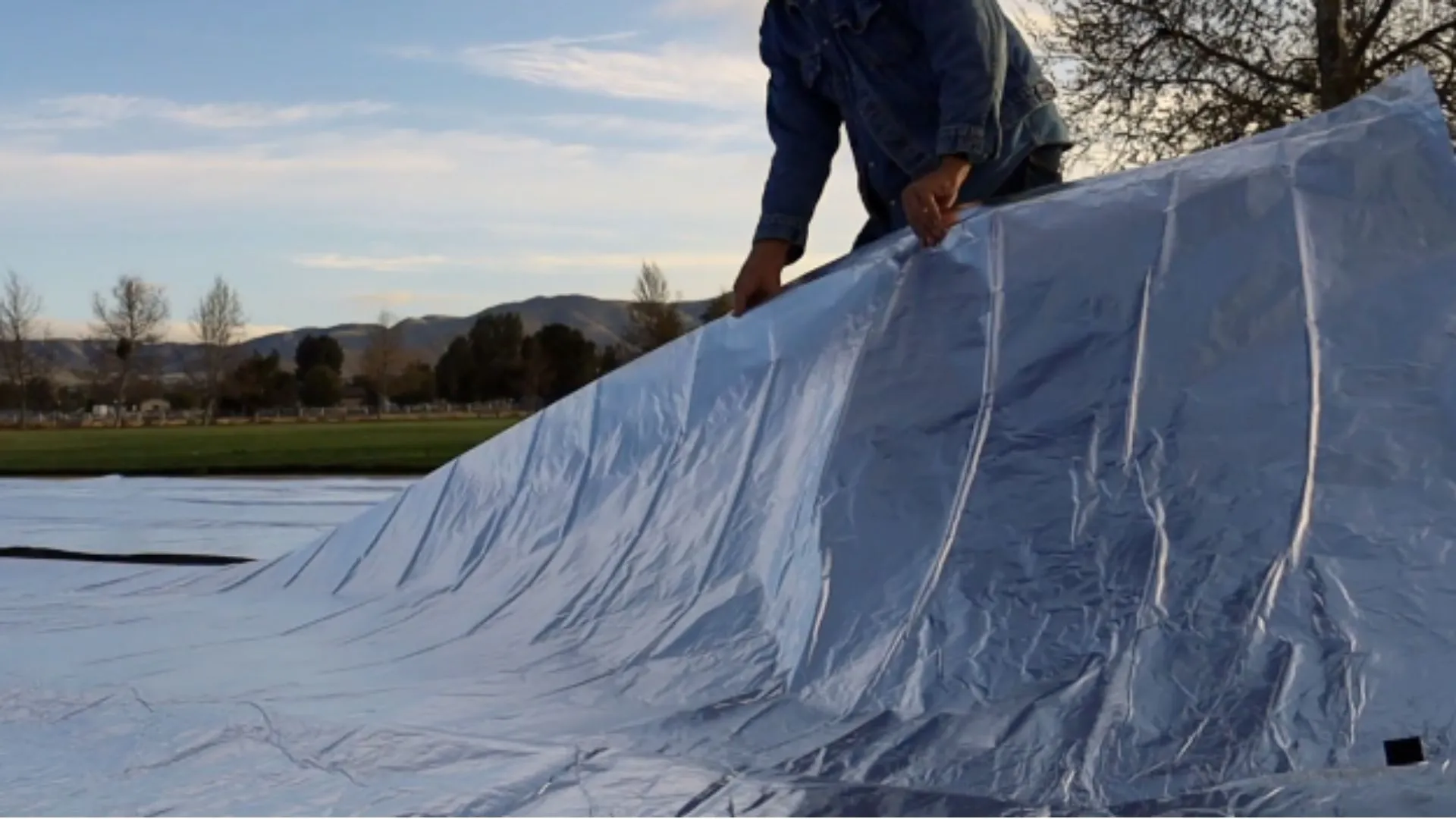

Let’s clear up a dangerous misconception right away: the small fire blanket in your kitchen cannot protect your home from a wildfire. Not even close. For real structural defense, you need an entirely different class of tool called a structure protection wrap. This is not a blanket that smothers flames; it’s an engineered fire shield that reflects the immense radiant heat a wildfire produces and creates a physical barrier against flying embers. Many people use the wrong term, leading to a false sense of security. This article will break down the critical differences, explain the science behind how a real fire shield works, and show you what to look for in a professional-grade system.
Have you ever wondered how the US Forest Service protects historic cabins and critical infrastructure from being destroyed by wildfire? They use a highly effective tool called a structure protection wrap, or fire shield. This professional-grade technology is now available to homeowners, offering the same level of defense. It’s essential to know this is not a fire blanket, which is completely inadequate for this task. A fire shield is an engineered system that reflects radiant heat and seals your home from ember attacks. When you’re ready to find a structure protection wrap for sale, it’s vital to choose a product with a proven track record. This guide will explain what makes a shield professional-grade and how to install it correctly.
Key Takeaways
- Choose a Fire Shield, Not a Fire Blanket: A small kitchen fire blanket is completely ineffective against a wildfire. For real structural protection, you need an engineered fire shield designed to reflect intense radiant heat and physically block embers from igniting your home.
- Defend Against a Wildfire’s Two Main Threats: A professional-grade shield works by reflecting over 95% of a wildfire’s invisible radiant heat and by creating a physical barrier that prevents wind-driven embers from lodging in vulnerable spots like vents, eaves, and decks.
- Customize Your Coverage for a Complete Seal: Effective protection isn’t one-size-fits-all. Use large shields for broad surfaces like roofs and walls, and use narrower rolls to meticulously wrap and seal smaller, complex areas to ensure there are no gaps for embers to penetrate.
How Does a Structure Protection Wrap Work?
Structure protection wrap is a specialized material designed to shield homes and other buildings from wildfire. Think of it as a high-tech, heat-reflective shield that you deploy around your property before a fire approaches. Its primary job is to act as a barrier against the two main threats of a wildfire: intense radiant heat and flying embers. This isn’t a new or experimental concept. Professional firefighters and the US Forest Service have been using this technology for decades to protect critical infrastructure and historic landmarks.
The core principle is simple but incredibly effective: the wrap’s aluminized surface reflects the vast majority of a wildfire’s heat away from the structure, preventing the building materials from reaching the temperature where they would ignite. It’s a proactive defense that doesn’t rely on water or chemical retardants, giving you a powerful tool to protect what matters most when evacuation orders are issued. By creating a protective cocoon around your home, you give it the best possible chance of surviving a wildfire event, even without anyone there to defend it. It’s about preparing your property to withstand the fire front on its own.
Fire Shields vs. Fire Blankets: What’s the Difference?
Let’s clear up a common and potentially dangerous misconception. The structure wrap used to protect a home is a fire shield, not a fire blanket. A fire blanket is a small, heavy sheet you might keep in your kitchen to smother a grease fire. It is completely ineffective and unsuitable for protecting an entire building from a wildfire. The scale, intensity, and nature of a wildfire are worlds apart from a stovetop flare-up.
A fire shield, like the technology pioneered by FireFoil, is an engineered solution specifically designed for structural protection. It’s made from advanced, lightweight, heat-reflective materials that can cover large surfaces like roofs and walls. Unlike a fire blanket, which absorbs heat, a fire shield reflects it. This distinction is critical for preventing ignition from the intense radiant heat that a wildfire produces.
How It Deflects Heat and Stops Embers
A fire shield defends your property through a two-pronged approach. First, it tackles radiant heat. The aluminized surface is highly reflective, bouncing more than 95% of radiant heat back into the atmosphere. This prevents the exterior of your home—siding, roofing, windows, and doors—from absorbing enough energy to catch fire. It keeps the structure cool even when the fire is nearby.
Second, it provides a physical barrier against embers. During a wildfire, high winds can carry burning embers for miles, and these embers are a primary cause of home ignition. They get lodged in vulnerable spots like roof vents, gutters, eaves, and under decks. By properly wrapping your home, you seal off these entry points. The various shield types available allow you to cover large surfaces and secure smaller, more intricate architectural details, ensuring embers can’t find a place to land and ignite.
Understanding the Primary Wildfire Threats
To appreciate how a fire shield works, you first need to understand what it’s up against. A structure protection wrap is engineered to defend against the two primary ways a wildfire destroys a home: intense radiant heat and a relentless barrage of flying embers. Radiant heat is the invisible, powerful wave of energy a fire emits, capable of igniting your home from a distance without any direct flame contact. Embers are burning pieces of debris that the wind can carry for miles, landing on roofs, in gutters, and on decks, where they can smolder and start new fires. A successful defense system must address both of these dangers simultaneously.
Reflecting Radiant and Convective Heat
The real magic of a fire shield lies in its surface. The aluminized material is highly reflective, designed to bounce more than 95% of radiant heat back into the atmosphere. This action is crucial because it prevents the exterior surfaces of your home—like siding, roofing, and windows—from absorbing enough thermal energy to reach their ignition point. Instead of soaking up the heat like a dark-colored fabric would, the shield acts like a mirror, deflecting the danger away. This is a fundamental difference from a fire blanket, which is designed to smother and absorb heat, a method that is completely overwhelmed by the scale of a wildfire.
Proven Effectiveness in Real-World Conditions
This technology isn’t just a concept; it’s a field-tested reality. Aluminized structure wrap is widely considered the best available technology for protecting structures during a wildfire, and its effectiveness is supported by both scientific research and decades of real-world use by professional firefighters. Organizations like the US Forest Service have long relied on systems like FireFoil to safeguard irreplaceable assets, from historic cabins to critical infrastructure. When you deploy a professional-grade fire shield, you’re not experimenting with a new product; you’re using a proven tool trusted by the very people who run toward the flames.
Is a Structure Protection Wrap Right for Your Home?
When a wildfire threatens, your property faces two primary dangers: the intense, invisible force of radiant heat and the relentless storm of burning embers. A structure protection wrap, also known as a fire shield, is designed to defend against both. It’s important to understand that this is not a fire blanket, which is meant for small, contained fires. A professional-grade fire shield is a comprehensive barrier for your entire home or building, and it’s a proactive measure that can dramatically increase your property’s chances of survival.
Think of it as armor for your home. The main fire front can pass by in minutes, but the heat it radiates can cause a structure to ignite without ever being touched by flames. At the same time, embers can travel for miles, landing on roofs, in gutters, and against walls, looking for any small opening to start a new fire. A high-quality structure wrap addresses these threats by creating a protective layer that deflects heat and blocks embers from making contact with vulnerable surfaces. This technology gives firefighters a fighting chance and provides you with a powerful tool to safeguard your assets when it matters most.
Create a Barrier Against Radiant Heat
One of the most destructive forces in a wildfire is something you can’t even see: radiant heat. This is the intense energy that travels from the fire to your home, much like the heat you feel from the sun. It can be so powerful that it causes wood, siding, and other materials to reach their ignition temperature and burst into flames without direct contact. An effective fire shield works by reflecting over 95% of this heat away from your structure. The multi-layered material, often featuring a laminated aluminum foil exterior, acts as a mirror to this thermal energy, preventing your home from absorbing enough heat to catch fire. This is a critical defense mechanism that keeps your property safe during the most intense moments of a wildfire.
Block Dangerous Embers and Burning Debris
Long before the main fire arrives, a wildfire sends a blizzard of burning embers ahead on the wind. These embers are a primary cause of home ignition, as they can easily get lodged in vents, under eaves, or in flammable debris around your property. A structure wrap provides a crucial physical barrier, sealing off these vulnerable points and preventing embers from making contact with combustible surfaces. The wrapping is most effective if a wildfire moves quickly beyond the structure, as it denies embers the fuel they need to ignite a new blaze. By creating a seamless shield, you can significantly reduce the risk of your home being lost to a stray ember, which is one of the most common ways structures are destroyed in a wildfire.
What Does “Professional-Grade” Really Mean?
Not all fire protection wraps are created equal, and it’s important to know what separates a reliable shield from an ineffective one. True professional-grade protection comes from materials specifically engineered for extreme conditions. An effective shield must reflect at least 95% of radiant heat and be made from durable, multi-layered materials that can withstand direct exposure to embers and burning debris. This is the standard trusted by organizations like the US Forest Service, which relies on proven technology to protect critical infrastructure. When you choose a professional-grade wrap, you’re investing in a product with a track record of performance, ensuring your property has the highest level of defense possible.
Additional Benefits of Structure Shields
While the primary reason to invest in a structure protection wrap is to defend your home from a wildfire, the benefits don’t stop there. This advanced technology offers several other advantages that add value and peace of mind long before a fire is on the horizon. Thinking about a fire shield as a multi-purpose tool for your property can help you appreciate its full worth. From potential financial perks with insurance to year-round energy savings and versatile emergency use, a professional-grade shield is a smart, proactive investment in your property’s overall resilience. Let’s look at some of the other ways this technology can work for you.
Potential Insurance and Permitting Advantages
If you live in a wildfire-prone area, you know that securing affordable fire insurance can be a major challenge. Taking proactive steps to protect your property can make a significant difference. Installing a professional-grade fire shield demonstrates a serious commitment to risk reduction, which may be viewed favorably by insurance providers. While it’s not a guarantee, this level of preparedness could potentially make it easier to obtain or maintain coverage and might even help with your premiums. Similarly, when you’re building or renovating, local authorities may have strict fire-safety requirements. Using a proven structure protection system can help you meet or exceed permitting standards in high-risk zones, smoothing the path for your project’s approval.
Year-Round Insulation Properties
The same technology that reflects intense heat from a wildfire also works wonders against the summer sun. The aluminized surface of a fire shield acts as a radiant barrier, reflecting solar heat away from your home. This can help keep your house significantly cooler during hot months, reducing the strain on your air conditioning system and potentially lowering your energy bills. The insulating properties can also offer a modest benefit in the winter by helping to retain indoor heat. This dual-purpose function means your investment isn’t just sitting in storage waiting for an emergency; it can provide tangible benefits and comfort throughout the year, making it a practical addition to any home’s energy efficiency strategy.
Emergency Protection for Vehicles and Equipment
A fire shield’s utility isn’t limited to just your main house. Its flexible and durable nature makes it an ideal tool for protecting other valuable assets on your property during a wildfire threat. You can use smaller rolls to wrap vehicles, tractors, boats, RVs, or essential farming equipment, shielding them from radiant heat and embers. This is the same principle professional firefighters use when they deploy shields to protect their engines or create temporary shelters in the field. Having different shield sizes and strengths on hand gives you the versatility to protect what matters most, whether it’s a historic barn, a detached workshop, or critical machinery, ensuring your entire property is as prepared as possible.
What Types of Structure Wraps Can You Buy?
When you start looking for structure protection, you’ll find the most effective options are built around a core technology: aluminized fire shields. These aren’t the flimsy fire blankets you might see for kitchen grease fires; those are completely ineffective for protecting a home. Instead, professional-grade structure wraps are engineered systems designed to reflect intense heat and block embers from igniting your property.
The key is understanding that different properties have different needs. A large, flat-roofed commercial building requires a different approach than a home with complex architectural details. That’s why you’ll find shields available in various material strengths and sizes. Choosing the right combination is the first step toward creating a solid defense plan for your property. The goal is to find a solution that matches your structure’s specific vulnerabilities, ensuring every weak point is covered.
Why Aluminum-Based Shields Are the Standard
The science behind a structure fire shield is straightforward but incredibly effective. These wraps use a highly reflective aluminum surface to bounce away more than 95% of the radiant heat generated by a wildfire. Think of it like a mirror for heat. Beneath this reflective layer is a durable, insulating fabric, often made from materials like fiberglass. This combination does two critical jobs: the aluminum outer layer handles the intense heat, while the inner layer prevents the structure itself from absorbing that heat and reaching its ignition point. This multi-layered design is what makes a true fire shield a reliable defense against wildfire.
How to Choose the Right Material Strength
Not all fire shields are created equal, and the material’s strength and durability are critical factors. A professional-grade shield is made from robust, multi-layered materials designed to withstand the harsh conditions of a wildfire, including high winds and flying debris. Lighter-weight options might be suitable for less intense conditions or temporary use, but for serious protection, you’ll want a heavier, more resilient material. For example, a heavy-duty shield made from an aluminum-fiberglass mix offers superior fire resistance and insulation. When you review different products and pricing, pay close attention to the material composition to ensure you’re getting the level of protection your property demands.
Large Shields vs. Narrow Rolls: What to Use Where
Structure wraps come in different shapes and sizes for a reason. Large, wide shields are designed to cover the most expansive and vulnerable surfaces of a building, like the roof and exterior walls. These are your first line of defense, protecting the bulk of the structure from radiant heat and embers. Narrower rolls, on the other hand, are perfect for detailed work. You can use them to wrap around tricky spots like eaves, vents, decks, and window frames—all common entry points for embers. This targeted approach ensures that even the smallest, most complex parts of your home are sealed and protected, a technique that has been used to safeguard critical infrastructure for years.
What to Look For in a Structure Protection Wrap
When you’re looking for a structure wrap, it’s easy to get overwhelmed by the options. But knowing the key features that separate professional-grade protection from the rest makes the decision much clearer. Think of it like buying a car—you wouldn’t just look at the color; you’d check the engine, safety ratings, and durability. The same logic applies here. Let’s walk through the essential qualities to look for in a fire shield that will truly protect your property when it matters most.
How Much Heat Can It Really Handle?
The single most important job of a fire shield is to manage extreme heat. Wildfires generate immense radiant heat, which can ignite your home even without direct flame contact. That’s why you need a wrap with high reflectivity. The best materials reflect over 95% of this heat, keeping the surface of your home cool and preventing combustion. This isn’t a feature found in a simple fire blanket; it’s advanced technology designed specifically for structures. When evaluating options, look for this high-reflectivity rating—it’s the core of effective wildfire defense and a key part of FireFoil’s technology.
What Is It Made Of? (And Why It Matters)
A fire shield is your home’s first line of defense, so it needs to be tough. Look for wraps made from a durable aluminum and fiberglass composite. This combination is trusted by professionals, including the US Forest Service, because it resists tearing, punctures, and the intense force of wind-driven embers. A flimsy material just won’t hold up in a real wildfire scenario. You need a material that maintains its integrity under extreme stress. This professional-grade durability ensures the shield remains a solid barrier, protecting the vulnerable parts of your home from ignition when burning debris starts to fly. The materials used are a testament to the company’s long history of protecting critical assets.
Find the Right Size for Your Home
Every property is unique, so a one-size-fits-all approach to protection doesn’t work. A quality supplier will offer a range of sizes to fit your specific needs. You should be able to find large shields for covering extensive areas like roofs and walls, as well as narrower, more flexible rolls for wrapping detailed architectural features like decks, eaves, and vents. Before you buy, take the time to measure the critical areas of your property. Having a variety of products and pricing options allows you to create a customized defense plan that leaves no part of your home exposed, ensuring you get exactly the coverage you need without waste.
Can You Install It Yourself? Is It Reusable?
In an emergency, you need a solution that’s practical and easy to deploy. The best structure wraps are designed for straightforward installation, allowing you to secure your property quickly when a wildfire threat is near. But the value doesn’t end after one use. A high-quality fire shield is an investment in long-term safety. It should be durable enough to be carefully removed, stored, and reused for many fire seasons to come. This reusability not only makes it a cost-effective choice but also ensures you’re always prepared. Think of it as essential safety gear for your home that you can rely on year after year.
The Debate on Reusability
When you invest in a structure wrap, you want to know it will be there for you season after season. The reusability of a fire shield often comes down to its quality. Some lower-cost, thinner wraps are designed for one-time use and can be easily damaged by wind or during removal. However, a professional-grade fire shield is a different story. It’s built as a long-term safety asset. A high-quality shield, like those used by forestry services, is made from durable materials that can withstand deployment, careful removal, and proper storage. This allows you to be prepared for future wildfire threats without needing to repurchase your entire system, making it a more sustainable and cost-effective solution over time.
Potential for Damage During Installation and Removal
It’s true that installing any kind of structure wrap takes time and effort, and there’s a valid concern about potential damage to your home, such as staple holes. Cheaper, single-use wraps are particularly prone to tearing in high winds and can be difficult to remove without causing damage to both the wrap and the structure. This is where the quality of the material makes a significant difference. A robust, professional-grade shield is designed to be more resilient. While it still requires careful installation, its durability means it’s less likely to be compromised by weather. When it’s time for removal, the stronger material can be handled more easily, minimizing the risk of leaving behind damage and preserving the shield for future use. Choosing the right material strength is key to a successful deployment and removal process.
Which Brands Do the Professionals Trust?
When you’re ready to invest in a structure wrap, you’ll find a few key players in the professional-grade market. These aren’t your average tarps or covers; they are highly engineered shields designed to withstand extreme conditions. Understanding the top brands and what makes them effective is the first step toward making a confident choice for your property. The best systems are trusted by professionals and have a proven track record of performance when it matters most. Let’s look at the leading options available.
FireFoil: The Professional Standard
FireFoil is the name professionals trust. For over two decades, it has been the go-to choice for the US Forest Service and professional firefighters tasked with protecting critical infrastructure and national monuments. This isn’t a consumer-grade “fire blanket”; it’s a professional fire shield engineered to stop flying embers and reflect over 95% of radiant heat. The multi-layered aluminum construction is built for durability and reuse, making it a reliable and critical layer of defense. When you choose FireFoil, you’re using the same proven technology that protects the nation’s most important assets from wildfire.
What About SEITec FireGuard Solutions?
Another name in the professional space is SEITec FireGuard. The company offers a product called Aluminized Structure Wrap (ASW), which is also designed to provide a barrier against wildfire threats. Like other professional-grade options, their wrap is made to reflect the vast majority of radiant heat—over 95%—which is essential for preventing a structure from igniting during a fire event. Their solutions are geared toward providing a protective layer for homes and other buildings located in high-risk areas, focusing on heat reflection as a primary defense mechanism.
How to Compare Pro-Grade Options
When comparing professional-grade systems, focus on the features that deliver real protection. Any effective structure wrap should reflect at least 95% of radiant heat and be made from durable, multi-layered materials that can resist tearing and withstand harsh conditions. Don’t get bogged down by marketing claims; look for proven performance and a history of reliability. To make a truly informed decision, a complete guide can help you break down the specific advantages of each system, ensuring you choose the right shield for your property’s unique needs.
How to Choose the Right Structure Wrap for Your Home
Selecting the right structure protection wrap is a critical decision that directly impacts your property’s safety. It’s not just about buying a product; it’s about implementing a strategy to defend your home or business against wildfire. The process involves carefully evaluating your specific situation, getting your measurements right, and deciding on the best installation approach. Think of it as creating a custom-fit defense system. A one-size-fits-all approach won’t work when every property has unique vulnerabilities. Taking the time to choose correctly ensures you have reliable protection when you need it most. This is where you move from simply hoping for the best to taking concrete, effective action.
Start by Assessing Your Home’s Wildfire Risk
First, take a walk around your property and look at it with a critical eye. What are its most vulnerable points? Consider the roof material, the number of eaves and vents, and the proximity of decks or outbuildings. The surrounding landscape also plays a huge role—are you close to dense vegetation or on a steep slope? These factors determine where embers could collect and ignite. This assessment helps you understand the level of protection you need. Remember, you’re looking for a true fire shield designed to block radiant heat and embers, not a simple fire blanket, which is completely inadequate for protecting a structure. The goal is to identify the specific risks your property faces so you can choose a proven technology built to handle them.
How to Measure for the Right Amount of Coverage
Once you know which areas need protection, it’s time to measure. You’ll need to calculate the square footage of all the surfaces you plan to cover, including the roof, walls, and any attached structures like decks. Don’t forget smaller, intricate areas like eaves, gables, and around windows, which may require narrower rolls. It’s always a good idea to add a little extra to your total calculation—about 10%—to account for overlaps and any mistakes. Having precise measurements ensures you purchase the right amount of material without running short during installation. You can then compare your numbers to the coverage offered by different products, like those in our products and pricing guide, to determine exactly what you need to order.
Should You Hire a Pro or DIY the Installation?
Deciding how to install your fire shield is a key step. While some homeowners might feel comfortable with a DIY approach, especially for smaller applications, professional installation guarantees the wrap is applied correctly for maximum effectiveness. Professionals are trained to handle large rolls, secure the material properly against high winds, and ensure there are no gaps where embers could penetrate. Firefighters trust these materials to protect critical structures because they know proper application is essential. When your home’s safety is on the line, having an expert install your shield provides peace of mind that the job is done right, ensuring the system performs exactly as designed during a wildfire event.
Strategic Application and Phased Protection
Protecting your home doesn’t always mean you have to wrap the entire structure from top to bottom. A more practical and often just as effective approach is to focus your efforts strategically. By identifying and shielding the most vulnerable parts of your property first, you can create a powerful defense without feeling overwhelmed. This phased protection strategy allows you to prioritize your resources and address the highest-risk areas, making professional-grade protection more accessible. It’s about working smarter, not harder, to give your home the best possible chance of survival when a wildfire approaches.
Partial Wrapping: Covering High-Risk Areas First
If your home already has fire-resistant features like a metal roof or stucco siding, you have a great head start. In this case, a full wrap might not be necessary. Instead, you can focus on partial wrapping to cover the most common points of failure. These are the spots where embers love to collect and where radiant heat can do the most damage: windows, doors, vents, eaves, and wooden decks. Using narrower rolls of a fire shield to meticulously seal these areas can prevent ember intrusion and protect glass from shattering due to extreme heat. This targeted approach is a cost-effective way to significantly harden your home against wildfire threats, addressing the weakest links in its defense.
Targeted Wrapping for Fire-Resistant Homes
Even a home built with fire-resistant materials isn’t completely fire-proof. Wildfires attack in ways that can bypass standard construction defenses. For example, the intense radiant heat can cause windows to break, giving embers a direct path inside. Vents are another major vulnerability, acting as open doors for burning debris. This is where a professional-grade fire shield becomes essential. It’s not a fire blanket; it’s an engineered barrier that defends against the specific threats that can compromise even a well-built home. By strategically applying a shield to these vulnerable areas, you add a critical layer of specialized protection that addresses the unique dangers of a wildfire.
3 Common Myths About Structure Wraps, Busted
When it comes to protecting your property from wildfires, there’s a lot of information out there—and not all of it is accurate. Misconceptions can lead to a false sense of security or prevent you from taking the right steps. Let’s clear up a few common myths about structure wraps so you can make informed decisions for your home or business.
The most important thing to understand is that a structure wrap is a serious, professional-grade tool. It’s not a last-minute, DIY fix but a strategic part of a comprehensive fire safety plan. When used correctly, a high-quality fire shield can be an incredibly effective defense against radiant heat and embers, which are responsible for the loss of most structures in a wildfire. By understanding how they truly work, you can see why professionals like the US Forest Service have trusted this technology for decades to protect critical buildings.
The Truth About Using Fire Blankets on a Home
This is one of the most dangerous misconceptions. The term “fire blanket” often brings to mind a small, simple sheet for smothering a kitchen fire. These are completely different from the advanced fire shields needed to protect a building. A true structure wrap, like FireFoil, is an engineered fire shield made from specialized, heat-reflective materials designed to block intense radiant heat and stop burning embers from igniting your home. While some people mistakenly call these shields “fire blankets,” they are in a completely different category. A standard fire blanket will not work against a wildfire; only a professional-grade fire shield is designed for the job.
Is Installation Really That Complicated?
The idea of wrapping an entire building can sound overwhelming, but modern fire shields are designed for practical deployment. While it requires careful planning, the process is more straightforward than you might think. Innovations in materials and design have made these systems lighter and easier to handle. Companies like FireFoil offer different products and formats, from large rolls for covering roofs and walls to narrower ones for details like decks and eaves. This allows for a more efficient and manageable installation process, whether you’re working with a professional crew or, with proper guidance, tackling it yourself. The key is preparation, not complexity.
How Effective Are They in a Real Wildfire?
No single product can offer a 100% guarantee against a wildfire, and anyone who claims otherwise should be met with skepticism. However, the effectiveness of professional-grade fire shields is well-documented. These wraps work by creating a barrier that reflects up to 95% of radiant heat and prevents wind-blown embers from landing on combustible surfaces. This is critical, as radiant heat can cause a house to ignite without ever being touched by flames. The U.S. Forest Service has successfully used this technology to protect historic cabins and other structures, proving their value in real-world scenarios. Their true strength lies in being one powerful layer in a multi-faceted defense strategy.
Where to Buy and What to Expect on Price
Investing in a structure protection wrap is a significant step toward safeguarding your property, so it’s natural to have questions about cost and where to find the right product. The price of a fire shield system reflects its material science, durability, and proven ability to perform under extreme conditions. Think of it less as a purchase and more as an investment in resilience. The total cost will depend on a few key factors: the supplier you choose, the specific material and brand, and whether you opt for professional installation. When you’re dealing with something as important as protecting your home or business from a wildfire, it’s crucial to look for professional-grade solutions from companies that specialize in this technology. Cutting corners on quality isn’t an option when so much is at stake. Let’s walk through what you can expect when you’re ready to buy.
How to Find a Reputable Supplier
When you start your search, look for companies that are experts in wildfire defense technology, not just general-purpose suppliers. A reputable provider will have a deep understanding of how these materials work and a track record of success. The best suppliers are often those trusted by the pros. For example, companies that have a long history of working with professional firefighters and government agencies like the US Forest Service are a great place to start. They have the experience and proven technology that you can rely on. A specialized supplier can also guide you through selecting the right product for your specific property, ensuring you get the protection you actually need.
How Brand and Material Affect Cost
The cost of structure protection wrap varies based on the quality of the materials and the technology behind the brand. Professional-grade, aluminum-based fire shields are engineered to reflect more than 95% of radiant heat, and that level of performance comes from advanced material science. Prices can range from under a dollar to several dollars per square foot, depending on the material’s strength and durability. While it might be tempting to go for a cheaper option, remember that you’re paying for reliability. You can explore a guide to products and pricing to see how different material strengths and roll sizes are valued. The investment ensures your shield can withstand the intense conditions of a wildfire.
Typical Costs and Financing Options
Protecting your home is a serious investment, and the cost of a fire shield system reflects its advanced materials and proven effectiveness. While prices vary, you can generally expect to pay anywhere from under a dollar to several dollars per square foot, depending on the material strength you choose. This might seem like a significant outlay, but it’s a fraction of the cost of rebuilding. To make this crucial protection more accessible, some homeowners explore financing options. This allows you to pay for the system over time, securing your property now while you plan for other long-term home hardening upgrades. It’s a practical way to prioritize safety without having to wait.
What Does Professional Installation Cost?
The material itself is only one part of the equation; proper installation is what makes it effective. While some smaller applications might be manageable on your own, protecting an entire structure is a job best left to professionals. Professional installers know how to apply the wrap to create a complete seal, securing it against high winds and ensuring there are no gaps where embers could penetrate. When you’re budgeting for your fire shield system, be sure to account for this cost. A perfectly engineered shield won’t do its job if it’s not deployed correctly. Most reputable suppliers can connect you with certified installers in your area.
Expert Insight on Installation Challenges
While modern fire shields are designed for practical deployment, wrapping an entire structure presents real challenges. Handling large rolls of material, especially on a roof or while on a ladder, requires strength, skill, and careful planning. It’s also critical to secure the shield properly so it can withstand high winds without tearing or coming loose. The most significant challenge, however, is achieving a perfect seal. Even a tiny gap can become an entry point for wind-driven embers, compromising the entire system. This is why professional installation is so important—experts are trained to eliminate these gaps, ensuring the shield performs exactly as designed when a wildfire approaches.
How to Install and Maintain Your Wrap
Once you’ve chosen the right fire shield for your property, knowing how to deploy it correctly is the next critical step. Proper installation ensures you get the maximum protection when a wildfire threatens your area. While you should always follow the specific instructions provided with your product, these steps give you a clear overview of the process. Maintaining your shield is just as important, as it allows for quick, effective reuse season after season. Think of it as an essential part of your overall wildfire preparedness plan—a tool you can rely on when you need it most.
The good news is that professional-grade shields like FireFoil are designed for straightforward deployment. You don’t need to be a professional firefighter to get it right. With a bit of preparation and a clear plan, you can have your home or business wrapped and shielded well before an evacuation order is issued. Let’s walk through how to prepare your property, apply the shield, and store it for future use.
How to Prepare Your Home for Installation
Before you even unroll your fire shield, a little prep work goes a long way. Your first priority should be to create a clean and clear workspace around your home. This means ensuring your defensible space is clear of flammable debris like dry leaves, pine needles, and overgrown brush, especially on and around the roof and gutters. The surfaces where you’ll be applying the shield—like your roof, siding, and decks—should be clean and dry. This helps the shield lay flat and prevents anything from getting trapped underneath. Gather your tools ahead of time, which might include ladders, a heavy-duty staple gun, and utility knives, so you’re not scrambling for supplies at the last minute.
A Step-by-Step Guide to Applying Your Wrap
When it’s time to deploy your shield, start with the largest surfaces first, like the roof and exterior walls. Unroll the material and secure it according to the manufacturer’s guidelines, typically using heavy-duty staples or other recommended fasteners. It’s crucial to overlap the seams by several inches to create a continuous barrier that prevents embers from sneaking through. For smaller, more vulnerable areas like vents, eaves, and window frames, use the narrower rolls to get a tight, secure fit. The goal is to completely cover any combustible materials, leaving no gaps. Always refer to the specific products and pricing guide for detailed instructions tailored to the shield you’re using.
Alternative Fastening Methods
While a heavy-duty staple gun is the go-to tool for securing a fire shield, it’s not your only option. Depending on the surface you’re protecting, you might want to use alternative methods to avoid creating holes or to add extra reinforcement. For example, specialized heat-resistant tape can be a great choice for sealing seams or securing the wrap around delicate fixtures. In high-wind areas, using straps or even weights like sandbags along the bottom edges can provide additional stability and prevent the shield from lifting. The key is to create a tight, complete seal, so combining methods—like stapling the main sections and taping the seams—can offer the most robust protection for your property.
Innovations in Shield Design for Faster Deployment
The technology behind fire shields is constantly improving to make deployment faster and more efficient, which is critical when you have limited time to prepare. One of the most significant advancements is the development of large-format shields. Instead of wrestling with many smaller pieces, you can now find shields in massive rolls—some up to 20 feet wide and 100 feet long. This design allows you to cover an entire side of a house or a large roof section in a single pass, drastically cutting down on installation time. FireFoil pioneered this approach, understanding that in an emergency, simplicity and speed are your best allies. These larger formats mean fewer seams to secure, creating a stronger, more continuous barrier against embers and heat.
How to Store Your Wrap for Future Use
One of the biggest advantages of a professional-grade fire shield is its reusability. After the danger has passed, carefully remove the shield, taking care not to tear or damage it. Gently sweep off any ash or debris before rolling it back up. It’s best to store the rolls in a dry, protected area like a garage, shed, or basement, away from direct sunlight and extreme temperatures. Proper storage keeps the material in prime condition, ensuring it’s ready to go the next time you need it. This simple step protects your investment and gives you peace of mind knowing your shield is ready for deployment year after year.
Related Articles
- Buy Aluminized Fire Wrap: The Ultimate Buyer’s Guide
- Fire Wrap 101: A Guide to Protecting Your Home
- The Best Aluminized Structure Wrap for Homes in 2025
- House Fire Foil Wrap: The Ultimate 2025 Guide
Frequently Asked Questions
Is a structure wrap the same thing as a fire blanket? Absolutely not, and it’s a critical distinction to make. A fire blanket is a small, heavy sheet designed to smother a contained fire, like one on your stovetop. A structure wrap is a professional-grade fire shield, an engineered system made of advanced, heat-reflective materials. It’s designed to cover your entire home to reflect intense radiant heat and block flying embers, which a simple fire blanket is completely incapable of doing.
Can I really reuse a fire shield after a fire? Yes, a high-quality fire shield is a long-term investment in your property’s safety. After the wildfire threat has passed, you can carefully remove the shield, clean off any ash or debris, and roll it up for storage. When stored properly in a dry, protected place, it will be ready to deploy for many fire seasons to come, making it a reliable and cost-effective part of your preparedness plan.
Do I need a professional to install it, or can I do it myself? This really depends on the size of your property and your comfort level. For smaller, straightforward applications, a DIY installation is certainly possible if you follow the instructions carefully. However, for wrapping an entire home, professional installation is highly recommended. Experts are trained to apply the shield efficiently and ensure there are no gaps or weak points, giving you confidence that your property is sealed and secured correctly.
Will a fire shield guarantee my home will be safe? No single product can offer a 100% guarantee against the unpredictable nature of a wildfire. A professional-grade fire shield is an incredibly powerful tool that dramatically increases your home’s chances of survival by defending against the primary threats of radiant heat and embers. Think of it as essential armor for your home and a critical component of a comprehensive wildfire defense strategy.
How do I know how much material I need to buy? The best way to start is by walking around your property and identifying all the vulnerable surfaces you want to protect. You’ll need to measure the square footage of large areas like your roof and walls, and the length of detailed spots like eaves, decks, and window frames. It’s always a smart idea to add about 10% to your final calculation to account for overlaps and ensure you have complete coverage.
Alternatives to Structure Wrap: Home Hardening Strategies
While a professional-grade fire shield is an incredibly powerful tool for emergency defense, it’s most effective when it’s part of a comprehensive wildfire preparedness strategy. The long-term approach to protecting your property is known as “home hardening,” which involves making your home and the area around it as fire-resistant as possible. Think of it this way: home hardening is your permanent, built-in defense system, while a structure wrap is the deployable armor you use when a direct threat is imminent. Combining these strategies gives your property the best possible chance of survival.
Making your home more resilient doesn’t always require a complete rebuild. Many hardening techniques can be implemented over time, from simple landscaping changes to more significant upgrades during a renovation. The goal is to reduce the number of places where embers can land and ignite and to use materials that can withstand intense heat. By focusing on the two key areas—your home’s construction and the defensible space around it—you can create multiple layers of protection that work together to keep your property safe.
Fire-Resistant Construction and Materials
The materials your home is made of are its first and most fundamental line of defense against a wildfire. For those building a new home or planning a major renovation in a high-risk area, choosing fire-resistant construction materials is one of the most impactful decisions you can make. These materials are designed to resist ignition and slow the spread of fire, giving firefighters a better chance to defend your property. Even with a hardened home, a deployable fire shield provides an essential extra layer of protection for vulnerable components like windows and doors, which can fail under extreme radiant heat.
Choosing Non-Combustible Building Materials
When it comes to siding and roofing, what your home is made of matters immensely. Non-combustible materials like concrete, metal, stucco, and brick are excellent choices because they simply don’t burn. They can withstand high temperatures and direct contact with embers without igniting. On the other hand, materials like untreated wood siding and, especially, wood shake shingles, are extremely risky and can act as kindling for your home. Making the switch to a Class A fire-rated roof—the highest rating available—is a critical upgrade that can prevent embers from igniting one of the most vulnerable parts of your house.
Key Design Features for a Fire-Resistant Home
Beyond the basic materials, certain design features can significantly improve your home’s resilience. Installing double-pane windows provides better insulation against radiant heat, reducing the chance of glass breaking and allowing embers inside. It’s also crucial to address the eaves—the part of the roof that overhangs the walls. Open eaves are notorious for trapping embers. Designing your home with enclosed or “boxed-in” eaves eliminates this hazardous collection point. Similarly, avoiding wooden decks attached to the house is a smart move, as they can act as a wick, carrying fire directly to the structure.
Defensible Space and Landscaping
One of the most effective ways to protect your home is to manage the space around it. This is known as creating defensible space, which is a buffer zone between your home and the surrounding vegetation. This doesn’t mean you have to clear-cut your entire property. Instead, it’s about strategic landscaping designed to slow or stop the spread of wildfire and prevent flames from reaching your house. It also gives firefighters a safe area to work if they need to defend your property. This is a proactive, year-round effort that can dramatically reduce your home’s risk.
Using Landscaping as a Fire Break
Your landscaping can either be fuel for a fire or a barrier against it. Start by creating a non-combustible zone within the first five feet of your home’s perimeter. This area should be completely free of flammable plants, mulch, and debris. Consider using gravel, pavers, or rock paths to create a clean fire break that embers can’t ignite. Beyond this immediate zone, up to 100 feet from your home, focus on “fire-wise” practices. This includes keeping your grass mowed and watered, trimming trees so branches don’t overhang the roof, and spacing out plants to prevent fire from jumping from one to the next.