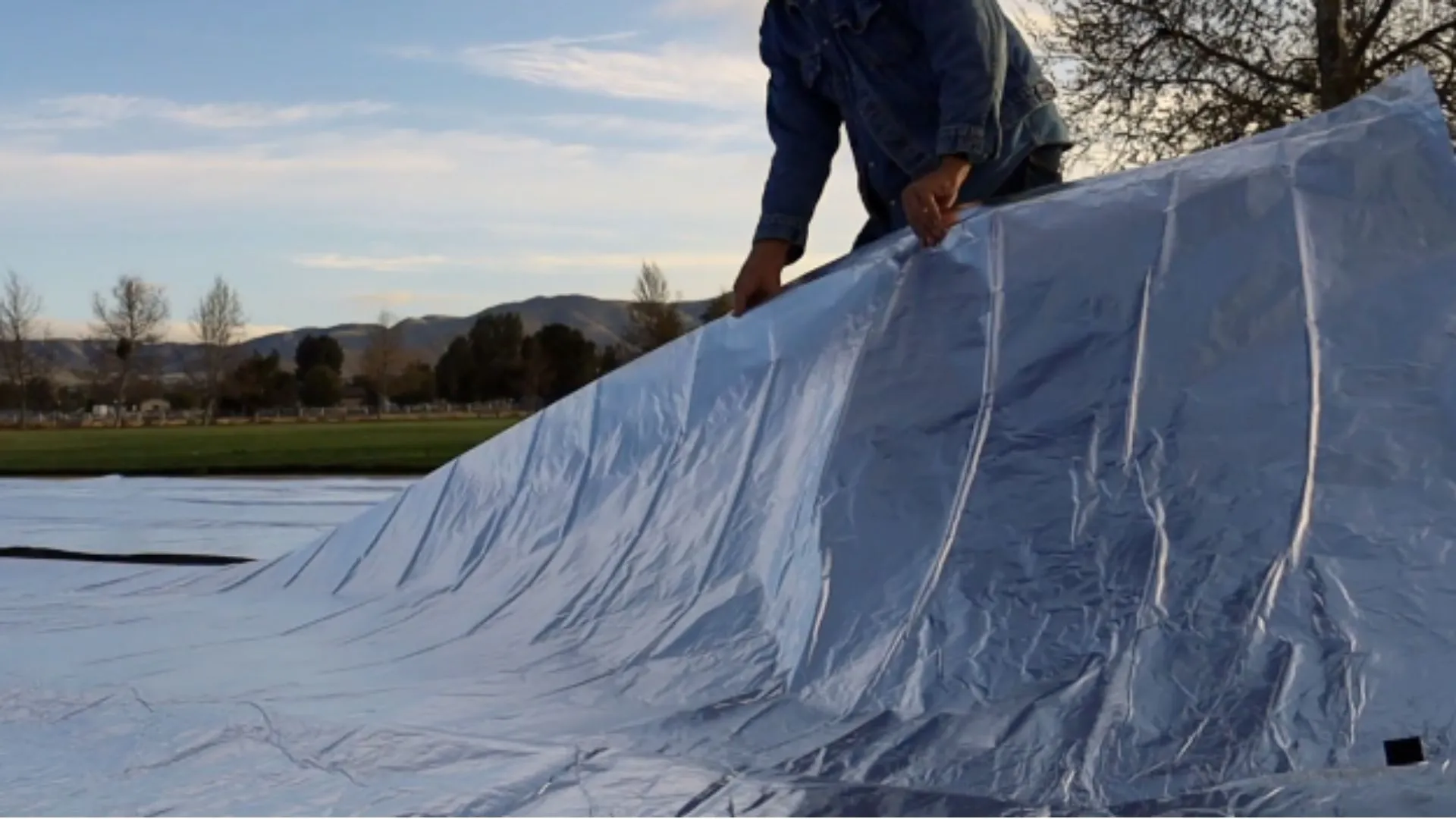

It’s easy to get confused by the different terms used for wildfire protection. You might hear people talk about “fire blankets” for homes, but it’s crucial to understand this is a dangerous misconception. A fire blanket is a small item for smothering a kitchen fire and is completely useless for protecting a house. A true radiant heat shield is an engineered system designed to reflect the immense thermal energy of a wildfire and block embers. In this article, we’ll cut through the noise and focus on the real costs of a professional-grade solution. We’ll look at the factors that influence pricing, from your home’s size to the quality of the materials, so you can make an informed financial decision about protecting your property.
Key Takeaways
- Focus on reflecting radiant heat, not just flames: This invisible force can ignite your home from a distance, making a reflective fire shield a critical layer of defense that works before the fire even arrives.
- Choose a solution designed for survival, not just savings: While standard attic barriers can lower your cooling bills, they aren’t built to withstand a wildfire. A true fire shield is engineered specifically to handle extreme heat and embers.
- Know the difference between a fire shield and a fire blanket: A fire blanket is a small item for kitchen fires and offers zero protection for your home. A fire shield is a professional-grade system designed to wrap and protect an entire structure.
How Does a Radiant Heat Shield Actually Work?
When you think about wildfire threats, you probably picture direct flames and flying embers. But there’s another, invisible force at play: radiant heat. This is the intense heat you can feel from a distance, and it’s powerful enough to ignite your home long before the fire itself arrives. It works by pre-heating surfaces like siding, decks, and roofs until they reach their combustion point.
The good news is that you can defend against this threat. Radiant heat shielding is designed to act as a barrier, reflecting this thermal energy away from your home and keeping its surfaces cool. Let’s break down how this technology works to provide a critical layer of protection.
What Is Radiant Heat and Why Does It Matter?
Think about the warmth you feel from the sun on your skin or the heat radiating from a campfire. You don’t have to touch the source to feel its energy—that’s radiant heat. It travels in invisible waves through the air, and during a wildfire, it’s one of the primary ways homes ignite. This intense wave of energy can raise the temperature of your home’s exterior to the point of ignition, even from hundreds of feet away.
This is why a defensible space, while crucial, isn’t always enough. Radiant heat can easily cross a clearing. A radiant barrier is specifically designed to interrupt this process, acting as a shield against this powerful and destructive form of heat transfer.
The Simple Science of Reflective Barriers
A reflective barrier works a lot like a mirror, but for heat instead of light. When radiant heat waves hit the reflective surface, they are bounced away instead of being absorbed by your home. This simple principle is incredibly effective. Materials like FireFoil’s aluminum-based shields can block up to 95% of the radiant heat that strikes them.
By preventing this heat from being absorbed, the shield keeps the underlying structure—your roof, siding, and windows—at a safe temperature. This stops the dangerous pre-heating process in its tracks. The result is a home that can withstand the extreme thermal exposure of a nearby wildfire, giving it a fighting chance to survive an event that would otherwise be catastrophic.
The Importance of an Air Gap for Performance
For a reflective shield to do its job, it can’t just be slapped directly onto a surface. Think of it this way: for a mirror to work, there needs to be space between you and the glass. A radiant barrier is the same, but for heat. This gap is essential because it allows the shield to reflect thermal energy effectively. Without it, heat would simply transfer directly through the material to your home via conduction, significantly reducing its effectiveness. According to the U.S. Department of Energy, the shiny surface must face an air space to perform correctly. This space gives the radiant heat waves room to be bounced away before they can be absorbed by your home’s structure.
This isn’t just a suggestion; it’s a critical design element that separates a professional fire shield system from ineffective alternatives. An air gap of at least one inch is typically recommended to maximize performance. This detail ensures the shield can block the maximum amount of radiant heat. The air gap also provides an added benefit: it allows for airflow, which helps prevent moisture from becoming trapped against your home. This ventilation is crucial for stopping long-term problems like mold and rot, protecting your home’s structural integrity even when there isn’t a fire threat on the horizon.
Fire Shield vs. Fire Blanket: Why One Protects Your Home (and the Other Doesn’t)
It’s easy to see a home wrapped for protection and think “fire blanket,” but it’s crucial to understand the difference. A fire blanket is a small, heavy cloth designed to smother a kitchen grease fire. It is completely ineffective and impractical for protecting an entire structure from a wildfire.
A wildfire fire shield, on the other hand, is an advanced technology engineered specifically for this purpose. FireFoil shields are made from non-combustible, heat-reflective materials designed to cover large surfaces and withstand extreme conditions. They don’t smother a fire; they reflect the immense radiant heat and block burning embers from ever touching your home. While a blanket fails, a fire shield provides a proven defense for your property.
Which Radiant Heat Shield Is Right for You?
When you start looking into radiant heat shielding, you’ll find a few different products on the market. While they all work by reflecting heat, their intended purpose and effectiveness vary dramatically, especially when facing the extreme threat of a wildfire. Some are designed for general energy efficiency, while others are engineered as life-saving protection. Understanding the difference is the first step to making the right choice for your home. Let’s walk through the main options available so you can see how they stack up.
The FireFoil Solution: A Purpose-Built Fire Shield
This is where professional-grade protection comes into play. Unlike standard insulation, FireFoil’s shields are specifically engineered to defend structures against wildfires. Made from a laminate of aluminum foil and woven fabrics, these shields block up to 95% of radiant heat. This prevents your home’s exterior from pre-heating to the point of ignition when a wildfire approaches. It’s a proven technology trusted by the US Forest Service to protect critical infrastructure during severe fire events. It’s important to distinguish these robust fire shields from fire blankets, which are small, handheld items for extinguishing minor kitchen fires and are completely ineffective for protecting a structure.
How Standard Foil Barriers Compare
You’ve likely heard of radiant barriers in the context of home energy efficiency. Typically installed in attics, these thin, foil-based sheets are designed to reduce heat transfer from the sun, keeping your home cooler in the summer and warmer in the winter. Their main goal is to lower your energy bills and increase everyday comfort. While they do reflect radiant heat, they are not built to withstand the intense, sustained heat, embers, and direct flame contact of a wildfire. They are an excellent tool for improving your home’s energy performance but are not a substitute for a dedicated wildfire defense system.
Are Spray-On Reflective Coatings Effective?
Another option you might encounter are spray-on radiant barrier coatings. These liquid products are applied like paint and dry to a reflective finish. They are often marketed as an easier way to add a radiant barrier to tricky or hard-to-reach spots. However, their performance can be inconsistent, and they are generally considered less effective at reflecting heat than foil-based products. While they might offer a minor improvement in energy efficiency, these coatings lack the durability and robust heat-blocking capability needed to provide any meaningful protection during a wildfire.
Foil-Backed Sheathing for New Construction
If you’re building a new home or doing a major renovation, you might come across foil-backed sheathing. This building material is essentially plywood or OSB with a thin layer of aluminum foil laminated to one side. It’s installed in walls and roofs with the primary goal of improving energy efficiency. By reflecting the sun’s radiant heat, it helps keep your attic and home cooler in the summer, which can lead to lower air conditioning bills. While this is a great feature for everyday comfort and energy savings, it’s critical to understand that this material is not designed for wildfire protection. Its thin foil layer and the wood sheathing it’s attached to are not engineered to withstand the extreme temperatures and direct ember contact from a wildfire.
Understanding Technical Specifications
When you’re evaluating a system to protect your home from a wildfire, the technical specifications are everything. This isn’t the time for vague marketing claims; you need to know exactly what a product is made of and how it’s been tested to perform under the most extreme conditions. The difference between a standard building material and a professional-grade fire shield lies in the engineering. A true shield is designed with a specific threat in mind—wildfire—and its composition, durability, and temperature ratings all reflect that singular purpose. Let’s look at the key details that separate a proven defense system from products that only offer a false sense of security.
Material Composition and Longevity
A true wildfire shield is far more than just a sheet of foil. FireFoil’s technology, for example, is constructed from a durable laminate of high-purity aluminum foil bonded to strong, heat-resistant woven fabrics. The aluminum layer is the workhorse, reflecting up to 95% of radiant heat away from your home. The woven fabric provides the structural integrity needed to withstand high winds, resist tearing from flying debris, and allow for repeated deployments. This robust construction ensures the shield remains intact when you need it most, unlike standard attic foils that can easily be damaged or degrade over time. This is a system built for survival, not just for saving on energy costs.
Temperature and Fire Safety Ratings
This is where the difference becomes most clear. Standard radiant barriers and foil-backed sheathing have no official fire rating for external wildfire exposure. They are designed to handle the passive heat from the sun, not the thousands of degrees generated by an approaching wildfire. A professional fire shield, however, is specifically tested to perform under these conditions. It’s engineered to resist ignition from direct flame contact and withstand a prolonged assault from a shower of burning embers. These systems are rated to handle the intense, sustained heat that causes other materials to melt, burn, or fail completely, ensuring your home remains protected throughout the event.
What’s the Real Cost of a Radiant Heat Shield?
Understanding the cost of radiant heat shielding is a key step in protecting your home. The total price depends on several factors, including the type of material you choose, the size and complexity of your house, and whether you hire a professional for the installation. While it’s tempting to focus solely on the initial price tag, it’s more helpful to think of it as an investment in your property’s safety and your own peace of mind. Different solutions offer different levels of protection, from basic attic insulation that lowers energy bills to robust, external fire shields designed to defend your home against the extreme threat of a wildfire. Let’s break down the typical costs you can expect for common radiant barrier options.
Understanding the Cost of Materials
The material you select is one of the biggest factors in your total cost. For standard attic radiant barriers, one-sided foil is the most budget-friendly option, typically running between $0.10 to $0.50 per square foot. A more effective two-sided foil will cost a bit more, usually from $0.50 to $0.90 per square foot. Another option is spray-on coatings, which generally fall in the range of $0.65 to $1.00 per square foot. While these materials are great for energy efficiency, it’s important to remember they aren’t designed for wildfire defense. For that, you need a specialized system like FireFoil’s fire shields, which are engineered specifically to withstand extreme radiant heat and embers.
Factoring in Professional Installation Costs
Hiring a professional to install a radiant barrier ensures the job is done right, maximizing its effectiveness. On average, homeowners can expect to pay around $1,700 for a professional installation, with most projects falling somewhere between $710 and $2,840. Labor costs typically add $0.60 to $1.00 per square foot to the total price. Some contractors may also charge an hourly rate, which usually ranges from $30 to $80 per hour. While these costs add up, a professional can properly seal gaps and ensure complete coverage, which is critical for the barrier to perform as intended, whether it’s for energy savings or structural protection.
Typical Installation Timelines
The timeline for installing a professional-grade radiant heat shield depends heavily on the specifics of your property. Factors like the size and complexity of your house play a significant role in determining how long the process will take. For a standard residential home, you can generally expect a professional installation to be completed within one to two weeks. A smaller, single-story home with a simple roofline will naturally be on the quicker end of that spectrum. In contrast, a larger, multi-story home with complex architectural details, numerous windows, and intricate roof angles will require more time to ensure every surface is properly covered and sealed for maximum effectiveness. The goal isn’t just speed; it’s about a meticulous installation that guarantees the shield performs as designed when you need it most.
DIY vs. Pro: Which Installation Saves You More?
A do-it-yourself installation can certainly save you money on labor costs, but it’s a challenging project. Installing foil barriers often means working in hot, cramped spaces like an attic, which can be difficult and physically demanding. While DIY spray-on options are available, they are generally less effective than foil, blocking only about 75% to 85% of radiant heat. In contrast, professionally installed foil barriers can block 90% or more. When you’re dealing with something as important as protecting your home, the reliability that comes with a professional installation often outweighs the upfront savings of a DIY approach.
Considering Costs of Related Projects
When you’re looking into radiant heat solutions, you’ll likely come across projects focused on energy efficiency, like installing a radiant barrier in your attic. These are great for lowering your utility bills, and the costs are pretty straightforward. Materials like one- or two-sided foil typically run from $0.10 to $0.90 per square foot, and a professional installation might average around $1,700. While this is a smart investment for home comfort, it’s critical to understand that these systems are not designed to protect you from a wildfire. They lack the durability and robust engineering to withstand extreme heat and embers. For true wildfire defense, you need a purpose-built fire shield, which is an investment in survival, not just energy savings.
Key Factors That Affect Your Radiant Heat Shield Cost
When you’re looking to protect your home from a wildfire, the cost of a radiant heat shield isn’t a simple, off-the-shelf price. It’s a tailored investment in your property’s safety, and the final figure depends on a few key variables. Think of it like getting a custom suit—the fit, fabric, and craftsmanship all influence the price. For a fire shield, the main cost drivers are the size and shape of your home, the quality of the materials you choose, and the specifics of the installation. Understanding these factors will help you get a clear picture of what to expect and why a professional-grade system is a worthwhile investment in protecting what matters most. Let’s break down what goes into the cost.
How Your Home’s Size and Shape Affect the Price
The most straightforward factor influencing cost is the total surface area you need to protect. A larger home with more exterior wall and roof space will naturally require more shielding material than a smaller one. But it’s not just about square footage. The architectural complexity of your home plays a big role, too. A simple, rectangular house is easier and quicker to shield than a home with multiple gables, dormers, intricate rooflines, and other unique features. Each corner, edge, and architectural detail requires precise cutting and fitting, which adds to the labor and material needed to ensure a complete, seamless barrier against embers and radiant heat.
Installation Costs by Attic Size
To give you a clearer idea of how square footage translates to cost for a typical attic installation, let’s look at some common sizes. For a smaller attic around 500 square feet, the total installation cost is typically between $350 and $1,000. As the space increases, so does the price. A 1,000-square-foot attic will usually run from $700 to $2,000, while a larger 1,500-square-foot space could cost between $1,050 and $3,000. These figures, which cover both materials and professional labor, are a good benchmark for standard radiant barriers designed for energy savings. It’s important to remember that a full external wildfire shield system is a more comprehensive project, but understanding these baseline costs helps put the investment into perspective.
Why Material Quality and Durability Matter
Not all reflective materials are built for the same job. The thin, single-layer foil you might find for an attic is designed to reflect ambient heat, not the intense, destructive force of a wildfire. Professional-grade fire shields are engineered systems. They often feature multiple layers of specialized materials, including reinforced aluminum, designed to withstand extreme temperatures, repel embers, and resist tearing. The type of shield you choose will directly impact the cost, with more robust options offering a higher level of protection and durability. You’re investing in technology that has been tested and proven in the field, ensuring it will perform when you need it most, which is a critical distinction from less resilient materials.
Your Location and Potential Installation Challenges
A fire shield is only effective if it’s installed correctly. Professional installation is essential to create a complete seal that prevents embers and superheated air from getting underneath. The cost of labor can vary based on your geographic location and the accessibility of your property. A home on a steep, difficult-to-access hillside will present more challenges than one on a flat, open lot. Furthermore, installing a fire shield properly involves more than just tacking it up; it requires specialized techniques to anchor it securely against high winds and ensure there are no gaps. This expertise is part of what you’re paying for—the assurance that your shield is deployed by professionals who understand how fire behaves.
Effectiveness in Different Climates
The climate where you live definitely plays a role in the performance of standard radiant barriers, especially when the goal is energy efficiency. In hot, sunny regions, an attic barrier can significantly reduce cooling costs by reflecting the sun’s heat. However, when we shift the conversation from saving on utility bills to surviving a wildfire, the local climate becomes less important than the extreme microclimate created by the fire itself. A wildfire generates intense, sustained radiant heat that standard materials simply aren’t designed to handle. This is why a purpose-built system is essential. A professional-grade fire shield is engineered to perform under the most severe conditions, providing critical protection against extreme heat and embers, regardless of whether your home is in a hot, dry desert or a temperate forest.
Is a Radiant Heat Shield a Good Investment?
Investing in your home’s protection always brings up the question of return. When it comes to radiant heat shielding, the ROI isn’t just a simple calculation of dollars and cents—it’s a combination of tangible savings and the invaluable peace of mind that comes with safeguarding your property. On one hand, these systems can lead to noticeable reductions in your monthly energy bills by reflecting solar heat. On the other, for those in wildfire-prone areas, the true value lies in protecting your home from extreme radiant heat, a threat that can cause a structure to ignite without ever being touched by flames.
It’s important to think about this investment holistically. While a standard radiant barrier offers energy efficiency, a professional-grade fire shield like FireFoil is engineered for a much bigger job: survival. This is a critical distinction, as many products, like fire blankets, are simply not designed to protect an entire home from a wildfire. A true fire shield provides a robust defense that not only contributes to daily comfort and lower costs but also stands ready to protect your most significant asset when you need it most. Let’s break down what that return looks like, from your utility bills to the ultimate value of security.
How You Can Save on Year-Round Energy Bills
Radiant heat shielding does more than just protect against extreme events; it works for you every single sunny day. By reflecting the sun’s radiant energy away from your home, these barriers significantly reduce heat gain, especially in your attic. This means your air conditioning system doesn’t have to work nearly as hard to maintain a comfortable indoor temperature. According to the Department of Energy, this can lead to a 5% to 10% reduction in cooling costs in warmer climates. For a home with an average electric bill, that can translate to over a hundred dollars in savings each year. It’s a practical, year-round benefit that makes your home more efficient and comfortable.
Projected Energy Savings
Let’s put some real numbers to those savings. That 5% to 10% reduction in cooling costs can make a noticeable difference in your monthly budget. If you typically spend a few hundred dollars a month on air conditioning during the summer, you could see savings that add up to over a hundred dollars by the end of the season. While the primary purpose of a professional-grade system like FireFoil is to provide life-saving wildfire defense, this consistent energy efficiency is a fantastic secondary benefit. It helps the system pay for itself over time, making your home not just safer, but smarter and more comfortable year-round.
Comparing to Traditional Insulation (R-Value)
When you talk about home insulation, the term “R-value” always comes up. R-value measures how well a material resists heat flow—think of it like a thick winter coat that slows down the loss of body heat. Traditional insulation like fiberglass works by trapping air to slow down conductive heat. A radiant barrier works differently. It doesn’t have an R-value because it doesn’t absorb heat; it reflects it. It’s critical to understand that no amount of traditional insulation can stop your home from igniting due to the intense radiant heat from a wildfire. That’s a job specifically for a dedicated fire shield, which addresses a threat that R-value insulation simply isn’t designed to handle.
How to Calculate Your Long-Term Return
So, what does the financial payback look like over time? Let’s run the numbers. The average professional installation for a radiant barrier can cost around $1,700, though this varies based on your home’s size and complexity. If you’re saving between $80 and $165 per year on cooling costs, the system begins to pay for itself over several years. For anyone living in a hot, sunny climate, it’s a sensible long-term investment in energy efficiency. But when you factor in a dual-purpose system like FireFoil, the calculation changes. The financial return isn’t just about energy savings; it’s also about the potential to save your home, an asset worth hundreds of thousands of dollars, from total loss.
The Peace of Mind That’s Worth Everything
While saving money on energy is a fantastic perk, the primary return on a wildfire shield is one you can’t quantify: security. In a wildfire, radiant heat is the silent threat, capable of igniting your home from a distance. A fire shield is designed to reflect this intense energy, giving your home a fighting chance. This isn’t a job for a simple fire blanket, which is ineffective for structural protection. It requires a solution engineered specifically for this purpose. The peace of mind that comes from knowing you’ve installed a proven defense—the same technology trusted by professionals to protect critical infrastructure—is the real ROI. Protecting your family, your memories, and your largest investment is, without a doubt, priceless.
Common Issues and How to Avoid Them
Like any home protection system, a radiant heat shield is only as good as its design and installation. While the technology is straightforward, a few common issues can arise if it’s not handled correctly. These potential problems are typically associated with permanently installed attic barriers meant for energy efficiency, but understanding them highlights why professional-grade systems and proper deployment are so important. Knowing what to look out for ensures you get the maximum benefit from your investment, whether you’re aiming for lower energy bills or robust wildfire defense. Let’s cover the main concerns and the simple ways to steer clear of them.
The Risk of Trapped Moisture and Mold
One of the most common concerns with radiant barriers is the potential for moisture buildup. If a barrier is installed without proper ventilation, it can trap warm, moist air, leading to condensation. As one expert notes, “If moisture builds up on the radiant barrier, it can lead to mold growth, which is bad for your home and health.” This is particularly a risk in colder climates or when the barrier is installed directly against the roof sheathing without an air gap. The solution is ensuring your attic has adequate ventilation. A professional installer will assess your home’s airflow and make sure the barrier complements, rather than obstructs, your existing ventilation system, preventing moisture problems before they start.
How Dust Can Reduce Effectiveness
A radiant barrier works because it has a highly reflective, low-emissivity surface. However, if that surface gets covered in dust, its performance drops significantly. The Department of Energy warns that “dust on the shiny surface will make them less effective.” A dusty barrier will absorb heat instead of reflecting it, defeating its purpose. This is primarily an issue for barriers installed horizontally in an attic floor, where dust naturally settles over time. This is a key reason why an external, deployable system like FireFoil maintains its effectiveness—it isn’t sitting in an attic for years collecting dust. It’s deployed when needed, ensuring a clean, highly reflective surface is ready to face the threat.
Important Safety Precautions
Since most effective radiant barriers are made with aluminum foil, they are excellent conductors of electricity. This introduces a critical safety consideration during installation. You must be extremely careful to avoid any contact between the foil and bare electrical wiring. The Department of Energy explicitly advises caution, stating, “Foil can conduct electricity, so be careful to avoid touching any bare electrical wires.” This is especially important in older homes where wiring might be less predictable. This risk is a compelling reason to hire a professional for any attic installation, as they are trained to work safely around electrical systems. For an external shield like FireFoil, this is less of a concern as it’s applied to the outside of the structure, away from interior wiring.
How to Save Money on Your Radiant Heat Shield
Investing in your home’s safety is a big decision, and the cost is naturally a major factor. The good news is that you may not have to cover the entire expense upfront. From manufacturer promotions to local energy programs, there are several avenues you can explore to make protecting your property more affordable. Taking the time to research these options can lead to significant savings, making a top-tier solution more accessible for your budget.
Look for Manufacturer Promotions and Deals
It’s always a good idea to ask manufacturers directly about any available payment plans or financing options. Some companies in the home protection space offer programs that allow you to spread the cost over time, making the initial investment easier to manage. You should also keep an eye out for seasonal promotions, which may be offered before the start of peak wildfire season. When you explore FireFoil’s products and pricing guide, don’t hesitate to reach out to their team to inquire about any current programs or discounts available for homeowners and businesses.
Check for Energy Rebates and Tax Credits
Beyond direct discounts, you might find savings through government or utility company programs. Many areas offer local rebates and tax credits for home upgrades that improve energy efficiency. While a wildfire shield’s primary job is to protect your home from embers and radiant heat, its reflective surface can also reduce heat absorption, potentially lowering your cooling bills. Check the specific requirements for energy efficiency programs in your state or county to see if installing a radiant heat barrier qualifies. A quick call to your utility provider can help clarify if this type of upgrade can help you save money.
Choosing the Right Shielding for Your Budget
Protecting your home from wildfire is one of the most important investments you can make, and it’s natural to want to find a solution that fits your budget. The key is to look beyond the initial price tag and focus on the overall value and effectiveness of the protection you’re getting. A less expensive option that fails when you need it most isn’t a good deal—it’s a liability. Making an informed choice means understanding what you’re paying for and steering clear of common misconceptions that could put your home at risk. Let’s walk through how to evaluate your options so you can feel confident in your decision.
Balancing Cost with Real-World Protection
When you start researching, you’ll find that standard radiant barriers for attics can cost anywhere from a few hundred to a few thousand dollars to install. While these are designed to lower energy bills, they aren’t built to withstand the extreme conditions of a wildfire. Investing in a dedicated fire shield is a different calculation. The cost reflects a system engineered to repel intense radiant heat and block burning embers from igniting your home. When you review products and pricing, think about the total value of what you’re protecting. The cost of deploying a proven fire shield is a fraction of the cost of rebuilding your home and replacing everything in it. True value lies in effectiveness, not just the upfront price.
Don’t Fall for These Common Pricing Myths
It’s easy to get tripped up by myths that oversimplify how fire protection works. One of the most dangerous is the idea that a fire shield is just an expensive “fire blanket.” This is completely false. Fire blankets are designed for small, contained fires, like one in a frying pan, and are useless for protecting an entire structure. A fire shield is an engineered system designed to reflect massive amounts of radiant heat. Another myth is that any reflective foil will do the job. The thin foil used for attic insulation will quickly fail in a wildfire. It’s crucial to choose a solution with a proven history of performance in real-world conditions, trusted by professionals to save homes and critical infrastructure.
Related Articles
- Radiant Heat Barrier 101: The Ultimate Guide
- What Is a Radiant Heat Barrier & How Does It Work?
- What Is a Fire Shield & Does Your Home Need One?
- Best Radiant Heat Barrier for Homes: A 2025 Guide
- What Is a Fire Shield? A Homeowner’s Guide
Frequently Asked Questions
Isn’t this just a big fire blanket for my house? That’s a common misconception, but the two are completely different technologies. A fire blanket is a small, heavy cloth made to smother a minor kitchen fire by cutting off its oxygen. It’s completely ineffective for protecting a structure. A fire shield, on the other hand, is an engineered system made from advanced, heat-reflective materials. It doesn’t smother anything; it acts as a barrier, reflecting up to 95% of a wildfire’s intense radiant heat and blocking embers from ever touching your home’s surfaces.
Can I use the radiant barrier foil from my attic for wildfire protection? While attic radiant barriers are great for improving energy efficiency, they are not designed to withstand the extreme conditions of a wildfire. That thin foil is meant to reflect the sun’s heat under your roof, not the intense, sustained thermal radiation and burning embers from a fire front. A professional fire shield like FireFoil is a much more robust system, built with durable, multi-layered materials specifically engineered to hold up against the severe threats a wildfire presents.
How is a fire shield actually deployed when a wildfire is approaching? Deploying a fire shield is a planned process that should be done well ahead of an immediate threat. The shields are designed to be anchored securely over the exterior surfaces of your home, such as the roof and walls, to create a complete barrier. Professional installation is key to ensure there are no gaps where embers or superheated air could penetrate. This isn’t a last-minute action but a strategic preparation to give your home the highest level of defense.
Will installing a fire shield lower my home insurance costs? Many insurance providers offer discounts for homeowners who take proactive steps to mitigate wildfire risk. While policies vary, installing a professional-grade, proven fire shield system may qualify you for reduced premiums. It’s a great idea to speak directly with your insurance agent. You can show them the specifications of the system you’re considering and ask about potential discounts for wildfire hardening measures.
My house has a complex roofline. Can a fire shield still protect it effectively? Absolutely. A professional fire shield system is designed to be versatile. The material can be cut and fitted to protect homes with intricate architectural features, including multiple gables, dormers, and unique angles. This is why professional installation is so important. Experts know how to properly wrap and secure these complex areas to ensure a seamless, continuous shield with no vulnerable points, giving your entire home consistent protection.