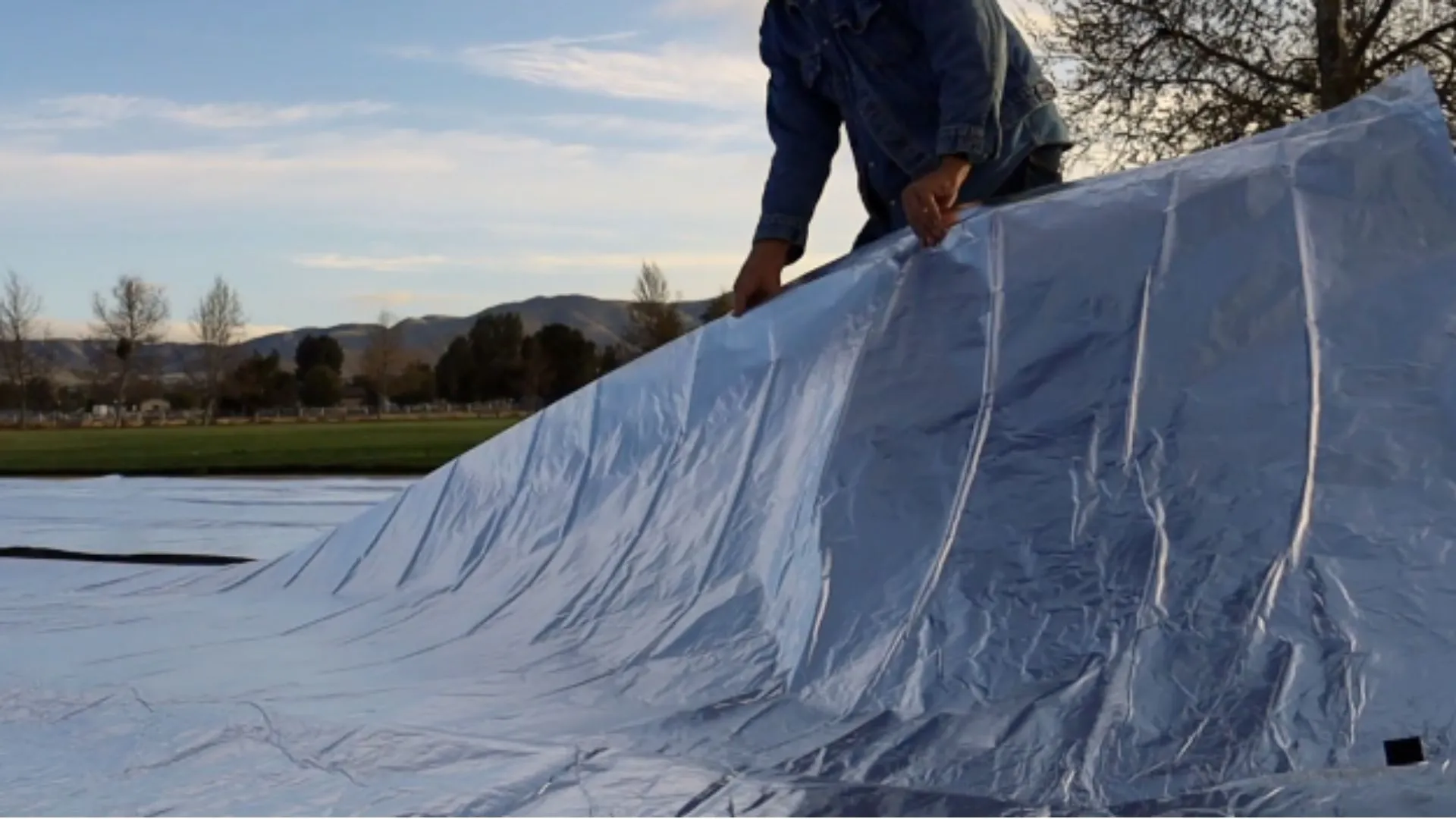

When you see homes wrapped in shimmering foil to survive a wildfire, it’s not magic—it’s science. But let’s be clear: this is not a fire blanket. Those are for small kitchen fires and are completely ineffective for protecting a structure. What you’re seeing is a professional home fire shield, an engineered system designed to reflect intense radiant heat and block a relentless ember attack. This guide will walk you through how this proven defense works and why it’s one of the most effective steps you can take to protect your property.
Key Takeaways
- It’s a Shield, Not a Blanket: Effective house wrapping relies on an engineered fire shield—not a simple fire blanket. This technology is specifically designed to reflect intense radiant heat and create a physical barrier that stops embers from reaching your home’s vulnerable spots.
- Professional Installation is Key: A fire shield’s performance hinges on expert installation. Professionals are trained to create a seamless barrier, covering complex areas like vents and eaves where embers can easily lodge, ensuring there are no weak points in your defense.
- Plan Ahead for Peace of Mind: A fire shield is a proactive investment in your home’s safety, not a last-minute emergency measure. Arranging for protection before a threat appears saves critical time during an evacuation and is a strategic part of a comprehensive wildfire defense plan.
What Is a Home Fire Shield?
When you hear “house wrapping,” you might picture the material used during construction to protect a home from moisture. Wildfire house wrapping is a similar concept, but instead of shielding against rain, it’s designed to defend your home against the extreme threats of a wildfire: radiant heat and flying embers. Think of it as a protective, heat-reflective barrier that is temporarily deployed around your home’s exterior when a wildfire threatens your area.
This proactive defense strategy has been used for decades by professionals like the US Forest Service to protect critical structures, and now it’s becoming an essential tool for homeowners in high-risk zones. The goal isn’t to make a house fireproof—nothing is truly fireproof—but to give it the best possible chance of survival. By covering vulnerable areas, the wrap prevents the structure’s siding, windows, and vents from igniting due to the intense heat or a barrage of burning embers, which are responsible for the loss of most homes during a wildfire.
How Does a Fire Shield Actually Protect Your Home?
A fire shield works by tackling the two primary ways a wildfire destroys a home. First, it reflects the immense radiant heat generated by the fire. The specialized aluminum surface acts like a mirror, bouncing a majority of that thermal radiation away from your house. This prevents combustible materials like wood siding, decks, and window frames from reaching their ignition temperature.
Second, the shield creates a physical barrier against embers. During a wildfire, winds can carry burning embers for miles, and these tiny firebrands are notorious for finding their way into vulnerable spots like attic vents, eaves, and the gaps under doors. A properly installed wildfire shield seals off these entry points, effectively stopping embers before they can ignite your home from the inside out.
Why a Fire Blanket Can’t Protect Your Home (But a Fire Shield Can)
It’s crucial to understand that a fire shield is not a fire blanket. While the terms are sometimes used interchangeably in news reports, they are completely different technologies. A fire blanket is typically a small sheet of fire-retardant material, like fiberglass, designed to smother a small kitchen or grease fire. It’s not engineered to withstand the prolonged, intense radiant heat of a wildfire and would quickly fail if used to protect a structure.
In contrast, a fire shield is a highly engineered system developed specifically for structural protection. FireFoil’s shields are made from laminated, aluminum-based materials designed to reflect massive amounts of heat and block embers for hours. This is the same technology that has been trusted by firefighting professionals for over two decades to protect everything from historic cabins to critical infrastructure. Simply put, a fire blanket is for putting out a small fire; a fire shield is for protecting an entire building from one.
Understanding the Intended Use of a Fire Blanket
So, what is a fire blanket actually for? It’s a safety device designed for one specific task: smothering small, contained fires before they get out of control. Think of a grease fire in a pan on your stove or a small flame on a piece of clothing. Made from fire-retardant material like fiberglass, you would pull it from its container and lay it over the flames to cut off the oxygen supply. This is why it’s completely unsuited for protecting a home from a wildfire. It’s not designed to reflect the intense, sustained radiant heat from a distance, nor is it large enough to cover a structure. While it’s a smart tool for cooking safety, relying on one during a wildfire is like using a bucket of water to stop a flood—the tool simply doesn’t match the scale of the threat.
An Overview of Fire Protection Products
The market for fire protection products is vast, and it can be tough to figure out what actually works for defending a home against a wildfire. You’ll find everything from chemical sprays to various types of wraps and blankets, each designed for a different purpose. Understanding these categories is the first step in making an informed decision. While many products offer some level of fire resistance, only a few are truly engineered to handle the specific, extreme conditions of a wildfire. Let’s break down the most common options you’ll encounter and what they’re really designed for.
Fire-Retardant Sprays and Coatings
Fire-retardant sprays and gels are chemical treatments designed to slow the spread of flames. When applied to surfaces like wood, fabric, or vegetation, they work by creating a chemical reaction that inhibits combustion. Companies like West Coast Fire Shield offer professional-grade coatings that can be a valuable layer in a comprehensive fire defense plan. However, their effectiveness during a wildfire can be limited. They don’t provide a physical barrier against embers, and their protective qualities can degrade over time or be washed away by rain. While they can help reduce the ignitability of a surface, they don’t reflect the powerful radiant heat that can cause windows to break and siding to ignite from a distance.
Specialized Fire Shields for Specific Uses
The term “fire shield” is used to describe a wide range of products, but for home protection, it generally refers to a physical barrier that blocks heat and embers. Some companies, like FireGuard, offer an Aluminized Structure Wrap (ASW) designed to create a barrier against flames. These products are a significant step up from simple fire blankets because they are built for larger applications. However, not all shields are created equal. The effectiveness of a structural fire shield depends entirely on its material composition, durability, and ability to reflect extreme radiant heat for a sustained period. This is where professional-grade systems, like the ones we’ve developed at FireFoil based on decades of real-world use, truly stand apart.
Grill Mats, Welding Blankets, and More
When you search for fire shields online, you’ll often find a variety of smaller, task-specific products. These include heat shield mats for placing under a grill, welding blankets to protect surfaces from sparks, and small emergency fire blankets for smothering stovetop fires. While these items are effective for their intended purposes, they are absolutely not designed for structural wildfire protection. They lack the size, heat-reflective properties, and durability to shield a home from an advancing wildfire. Confusing these with a professional fire shield is a common and dangerous mistake—they are fundamentally different tools for completely different jobs.
Fire-Resistant Vehicle Covers
Just as homes have specialized protection, so do other valuable assets. You can find fire-resistant covers designed specifically to protect cars, boats, and RVs. These are shaped to fit a vehicle and provide a temporary barrier against embers and radiant heat. While they use similar heat-reflective materials, they are tailored to the size and shape of a vehicle. This specialization highlights an important point: effective protection is never one-size-fits-all. A car cover isn’t designed to protect the complex architecture of a house, with its vents, eaves, and windows. Your home requires a system engineered to cover its unique vulnerabilities completely.
What Materials Make a Home Fire Shield Effective?
When you picture wrapping a house to protect it from a wildfire, you might imagine a simple, heavy blanket. But the reality is far more advanced. Professional wildfire shields are not fire blankets; they are engineered systems designed to combat the specific threats of a wildfire: intense radiant heat and flying embers. The core of this technology is a specialized, heat-reflective material that acts as a barrier between your home and the fire.
These shields are constructed from layers of woven fabrics laminated with highly reflective aluminum foil. This combination creates a material that is both incredibly strong and exceptionally effective at reflecting thermal radiation away from the structure. Think of it less like a blanket and more like a firefighter’s personal protective equipment, but scaled up for your entire home. The specific types of shields can vary in thickness and strength, allowing for customized protection for everything from large roof expanses to smaller, more vulnerable areas like vents and eaves.
How Reflective Aluminum Blocks Radiant Heat
The secret to a wildfire shield’s effectiveness lies in its shiny, aluminum surface. Aluminum is one of the most reflective materials available, capable of reflecting up to 95% of the radiant heat that strikes it. During a wildfire, radiant heat is the invisible force that can cause a house to ignite even before the flames arrive. By wrapping a structure in an aluminum shield, you are essentially creating a mirror that bounces that intense energy back, keeping the surfaces underneath from reaching their ignition temperature. This is the same technology that has been trusted by the US Forest Service and professional firefighters for decades to protect critical infrastructure, a testament to its reliability and effectiveness. Our company history is built on perfecting this proven technology for homeowners.
Stopping Embers and Flames in Their Tracks
While reflecting radiant heat is a shield’s primary job, its role doesn’t stop there. A wildfire’s second major threat comes from embers—tiny, burning pieces of debris that can travel a mile or more ahead of the fire front. These embers can easily get lodged in vents, under roof tiles, or on wooden decks, where they can smolder and ignite a home. A properly installed wildfire shield creates a complete physical barrier that blocks these embers from making contact with flammable surfaces. The shield’s durable, layered construction ensures that even if embers land on it, they cannot burn through to the structure underneath. This dual-action defense—reflecting heat and blocking embers—is what makes a fire shield such a powerful tool in home protection.
Common Materials in Fire Protection Gear
Aluminized Fiberglass, Carbon Felt, and More
The materials used in professional fire protection gear are a world away from a simple fire blanket. Instead of just fire-retardant fabric, a true wildfire shield is an engineered composite. The foundation is typically a strong, woven base fabric, like fiberglass, chosen for its durability and resistance to tearing. This base layer is then laminated with a highly reflective aluminum foil. This process bonds the layers together, creating a single, robust material that can withstand the harsh conditions of a wildfire, including high winds and flying debris. This combination of strength and reflectivity is what allows a shield to perform its dual role: physically blocking embers while simultaneously fending off the intense, invisible heat of the fire.
Understanding High-Temperature Ratings
When it comes to protecting a structure from wildfire, a material’s ability to reflect heat is far more important than its melting point. The primary threat is often radiant heat—the powerful, invisible waves of energy that can ignite your home from a distance, long before flames ever touch it. The aluminum surface of a fire shield is designed to combat this specific threat. It acts like a mirror, reflecting up to 95% of the radiant heat away from your home. This prevents the exterior surfaces, like siding and window frames, from absorbing enough energy to reach their ignition temperature. It’s not about absorbing the heat; it’s about bouncing it away entirely, keeping your home cool and safe on the other side of the shield.
Are Home Fire Shields Reusable?
Investing in a professional house wrapping system is a significant step, so it’s natural to wonder if it’s a one-time solution. The good news is that high-quality wildfire shields are designed for durability and can often be reused. As long as the shield is not physically torn or compromised by falling debris during a fire, it can be carefully removed, cleaned, rolled, and stored for future use. Fire departments have been using this type of foil wrap for decades to protect remote buildings and historic monuments, deploying the same shields season after season. After an event, it’s important to inspect the material for any damage. With proper care and storage, your wildfire shield can remain a reliable part of your home defense plan for years to come.
How Effective Are Home Fire Shields?
When you see images of homes wrapped in shimmering foil, it’s natural to wonder if it truly works. The short answer is yes—but its effectiveness depends entirely on using the right materials and technology. This isn’t about throwing a simple fire blanket over your house and hoping for the best. We’re talking about professional-grade fire shields, a completely different class of protection engineered specifically to defend a structure against the unique threats of a wildfire.
While some news reports have mistakenly used the term “fire blanket,” those are designed for small, contained fires and are completely ineffective for protecting an entire home. A fire shield is a robust system designed for this exact purpose, addressing the limitations of a simple blanket. These shields combat the two primary ways a wildfire destroys a home: overwhelming radiant heat and a relentless storm of burning embers. When properly deployed, a high-quality shield system creates a barrier that can significantly increase your home’s chances of survival, even when you’re not there to defend it. It’s a proactive strategy that has been trusted by professionals for decades to protect critical infrastructure.
Your First Line of Defense Against Heat and Embers
A wildfire’s radiant heat can be so intense that it ignites your home from across the street, without a single flame ever touching the walls. Professional fire shields are made from materials like reflective aluminum, which acts like a mirror to bounce up to 95% of that thermal radiation away from your home. This keeps the exterior surfaces—siding, windows, and doors—below their ignition temperature.
At the same time, wildfires create a blizzard of embers that can travel for miles and are notorious for finding their way into a home’s most vulnerable spots. A properly installed wildfire shield acts as a physical barrier, sealing off vents, eaves, and other entry points to stop embers from lodging and igniting a fire. The key is the material’s ability to withstand extreme temperatures without breaking down, ensuring the barrier holds firm when it matters most.
Can a Fire Shield Really Save Your Home?
By blocking both radiant heat and embers, a fire shield gives your home a powerful defense. While some news reports have used the general term “fire blankets,” the technology proven to work in real-world tests and active wildfires involves engineered structural fire shields. These are not the small, simple blankets used for putting out kitchen fires; they are robust systems designed to envelop and protect an entire building.
This technology has been used for over 20 years by professionals like the US Forest Service to save structures without water or chemical retardants. Wrapping your home is one of the most effective steps you can take to prepare for a wildfire, especially since it continues working long after you’ve evacuated. It provides a layer of defense that can mean the difference between returning to a standing home or a total loss.
What a Fire Shield Can (and Can’t) Do
It’s important to understand that house wrapping is a powerful tool, but it isn’t a magic force field. One of the biggest misconceptions is that all fire-resistant materials offer the same level of protection. A professionally developed shield made from specialized materials will perform vastly differently than a generic tarp or a DIY solution. Quality and proper installation are everything.
Furthermore, a fire shield is one component of a comprehensive wildfire defense plan. It should be combined with creating defensible space—clearing flammable vegetation within at least 30 feet of your home. Even with a shield, a fire burning right next to a window could cause the glass to break, allowing embers to enter. By pairing a fire shield with smart landscaping, you create multiple layers of defense that work together to give your home the best possible odds.
Should You Hire a Pro to Install Your Fire Shield?
When a wildfire threatens, protecting your home becomes the top priority. While the idea of wrapping your property in a fire shield might seem straightforward, the reality is that proper installation is a demanding and technical job. This isn’t a weekend DIY project; it’s a critical defense measure where expertise matters. Professional installers have the training, equipment, and experience to deploy fire shields correctly, ensuring every seam is sealed and every vulnerable point is covered. Entrusting this task to an expert not only maximizes the shield’s effectiveness but also frees you up to focus on the most important thing: your family’s safety.
Why Proper Installation Is Non-Negotiable
Deploying a fire shield is a meticulous process that requires precision to be effective. Professionals understand that it’s not just about covering the largest surfaces; it’s about creating a complete barrier against embers and radiant heat. They are trained to identify and protect the most vulnerable parts of a home, such as vents, eaves, and decks, where embers can easily lodge and ignite a fire. An expert installation ensures the fire shield material is anchored securely to withstand high winds and that there are no gaps or openings. This careful, detailed work is what makes the difference between a shield that holds up under extreme conditions and one that fails, leaving your home exposed.
DIY vs. Professional Install: A Safety Comparison
One of the biggest risks in wildfire protection is assuming that any fire-resistant material will work, or that you can install it yourself without proper training. Professional-grade fire shields are highly specialized, and their performance depends entirely on correct application. A DIY attempt can easily go wrong—improperly secured edges can catch the wind, and small gaps can funnel embers directly to your home’s most flammable points. Professionals not only have the right tools and safety gear to work on roofs and ladders, but they also understand the specific techniques needed to ensure a tight seal. Attempting this yourself without experience can lead to injury and create a false sense of security.
Gaining Peace of Mind When Minutes Count
When an evacuation order is given, every second counts. The last thing you should be doing is wrestling with heavy rolls of material on a ladder. Hiring a professional service to deploy your fire shield saves you invaluable time that should be spent gathering your family, important documents, and irreplaceable belongings. A trained crew can wrap a home far more quickly and efficiently than an individual, giving you peace of mind that your property is protected while you focus on getting to safety. This isn’t just about convenience; it’s a critical part of a well-prepared wildfire evacuation plan that prioritizes life and safety above all else.
How to Choose the Right Fire Shield Service
Finding the right team to protect your home from a wildfire is a major decision. You’re not just hiring a service; you’re entrusting them with the safety of one of your biggest assets. When you start vetting companies, it’s important to look beyond a simple price quote. You need a partner with the right experience, the right materials, and a proven process. Focusing on these three areas will help you find a reliable service that can give you real peace of mind when wildfire season arrives.
Look for Proven Experience with Wildfires
When you’re evaluating a house wrapping service, their history is one of the most important factors. You want a team that specializes in wildfire protection, not a general contractor who happens to offer it as a side service. Ask potential providers about their track record. How many years have they been working specifically in wildfire defense? Can they point to a history of protecting structures, including critical infrastructure or national monuments? Companies with deep roots in the industry, especially those trusted by professional organizations like the US Forest Service, have the kind of real-world experience that matters when lives and property are on the line.
Why Decades of Experience Matter
Wildfire protection isn’t something you want to entrust to a newcomer. A company with decades of experience brings a level of knowledge that can’t be learned overnight. They understand how fire behaves and have refined their techniques over countless real-world deployments. This isn’t just about having the right materials; it’s about knowing precisely how to apply them to different types of architecture and landscapes. This is the kind of expertise that has been honed over 20 years, protecting everything from historic cabins to critical infrastructure for organizations like the US Forest Service. When you choose a service with a long, proven history, you’re not just buying a product; you’re investing in the confidence that comes from a battle-tested defense strategy.
Ask About the Materials and Technology They Use
Not all fire-resistant materials are created equal. This is where you need to get specific with your questions. A common and dangerous misconception is that a simple fire blanket can protect a home. Fire blankets are designed for small, contained fires, not for shielding an entire structure from the intense, prolonged assault of a wildfire.
Ask the service provider to explain their technology. What exactly is the material made of? You’re looking for a true wildfire shield, typically one with a reflective aluminum base designed to block radiant heat and embers. Inquire about its temperature rating and how it’s been tested. A professional service will be able to clearly explain why their materials are superior and specifically engineered for structural protection.
Get a Clear Breakdown of Their Installation Process
The best materials in the world won’t do much good if they aren’t installed correctly. The process of wrapping a structure is meticulous and demanding, requiring a deep understanding of how fire behaves. Ask any potential service for a detailed breakdown of their installation method. How do they secure the shield to withstand high winds? What steps do they take to cover vulnerable areas like vents, eaves, and decks where embers can easily get trapped? A professional crew will have a systematic approach, ensuring every gap is sealed and the shield is deployed for maximum effectiveness. They should be able to walk you through their process from start to finish.
Debunking 3 Common Myths About Home Fire Shields
When it comes to protecting your home from wildfires, there’s a lot of information out there—and not all of it is accurate. Misconceptions can lead to a false sense of security or, worse, leave your property vulnerable. Let’s clear the air and tackle some of the most common myths about wrapping a house for wildfire defense.
Myth #1: All Fire-Resistant Materials Are Created Equal
It’s easy to lump all fire-resistant products into one category, but this is a critical mistake. One of the most persistent misconceptions is that all fire-resistant materials provide the same level of protection. A small fire blanket designed for a kitchen grease fire is fundamentally different from an aluminized shield engineered to withstand a wildfire. Simple fire blankets are not designed to protect an entire structure from the extreme radiant heat and ember storms produced by a wildfire.
True wildfire shields, like FireFoil’s products, are specifically developed to reflect up to 95% of radiant heat and block burning embers from igniting your home. They are a completely different class of technology, built for a threat that is orders of magnitude larger than a household fire.
Myth #2: A Fire Shield Is a 100% Guarantee
While a professionally installed fire shield dramatically increases your home’s chances of survival, no single solution is an absolute guarantee. Wildfires are complex and unpredictable. Even with a shield, vulnerabilities can exist. For example, if a fire gets close enough, intense heat could crack a window, allowing embers to enter and ignite the house from within.
Think of a fire shield as a critical layer in a larger defense strategy. It’s designed to handle the primary threats of radiant heat and embers, which cause the vast majority of home losses in wildfires. Combining a fire shield with other preparedness measures, like creating defensible space around your property, gives you the best possible odds.
Myth #3: A DIY Installation Is Good Enough
You might be tempted to try a DIY solution with materials from a hardware store, but this approach is rarely effective. Fire departments have used specialized foil wraps for decades, but what they use is far from standard kitchen foil. As Popular Science notes, foil specifically designed to withstand wildfire temperatures with insulating layers and a highly reflective outer coating is your best bet.
Professional-grade fire shields are engineered materials, and their effectiveness depends entirely on proper installation. Experienced professionals know how to securely anchor the material, eliminate gaps where embers can penetrate, and properly cover complex architectural features like eaves and vents. A DIY job can leave your home exposed, defeating the entire purpose of the shield.
Is a Home Fire Shield Right for You?
Deciding to wrap your home is a significant step, but for many living in wildfire-prone areas, it’s becoming a necessary consideration. If you’re weighing your options, it helps to look at your specific situation, from your location on the map to the unique features of your property. Thinking through these factors can help you determine if a fire shield is the right move for protecting your home and family. It’s about shifting from a reactive mindset to a proactive one, giving you a solid plan long before a wildfire threat appears on the horizon.
Do You Live in a High-Risk Wildfire Zone?
If you live in an area where wildfire season is a regular part of life, you already know the risk is real. Wildfires are becoming more frequent and intense, which means standard home protection measures may no longer be enough. This isn’t about fear; it’s about acknowledging a changing environment and adapting to it. For homeowners in these high-risk zones, wildfire shields are moving from a niche solution to a practical layer of defense. Taking this step is a way to actively manage your risk and add a professional-grade tool to your home’s safety plan, especially when you see fire season approaching on the calendar.
How to Assess Your Home’s Wildfire Risk
Every property has unique vulnerabilities. Take a walk around your home and look at it from a wildfire’s perspective. Do you have a wooden deck, single-pane windows, or vents that could easily allow embers inside? Experts often talk about the critical five-foot zone around a house; if a fire ignites there, it can generate enough heat to break windows and let a storm of embers in. A fire shield is designed to protect your home from exactly these threats by blocking radiant heat and preventing embers from finding a way in. Understanding your home’s weak points is the first step toward reinforcing them.
The Best Time to Plan for Wildfire Season
When an evacuation order is issued, the last thing you want is to be scrambling. The real value of a fire shield system is having a plan in place well before an emergency. While some temporary materials might claim to offer a few minutes of protection, a professionally installed shield is designed for sustained defense. This is a strategic decision made with a clear head, not a last-ditch effort during a crisis. Planning ahead gives you and your family peace of mind, knowing you’ve already deployed one of the most effective defenses available. It turns panic into a practiced procedure, saving critical time when every second counts.
What Does a Home Fire Shield Cost?
When you’re thinking about protecting your home from a wildfire, one of the first questions that comes to mind is, “What will this cost?” It’s a practical and important question. The investment for professionally installed wildfire shields varies because every property is unique. Think of it less like a one-size-fits-all product and more like a custom safety solution tailored to your home’s specific needs.
The final price depends on several key factors, including the size and architectural complexity of your home, the specific materials used, and the level of service you choose. While it’s a significant investment, it’s crucial to frame it against the potential cost of losing everything. This isn’t just about protecting a building; it’s about safeguarding your memories, your sense of security, and your financial future. Investing in a proven system like FireFoil means you’re getting technology trusted by professionals, including the US Forest Service, to defend critical structures. It’s a proactive step that puts a powerful layer of defense between your home and a wildfire.
Factors That Influence the Final Price
The cost of wrapping your home with a fire shield isn’t a simple, flat rate. The biggest factors are the size of your home and its design. A larger, multi-story house with complex angles, decks, and eaves will require more material and labor than a smaller, simpler structure. The type of wildfire shield material you choose also plays a major role. Professional-grade, aluminum-based shields designed to reflect intense radiant heat will be a larger investment than lesser materials, but they offer a much higher level of proven protection. The final price reflects a complete service that includes the materials, expert installation, and the peace of mind that comes with it.
Understanding the Market Price Range
While it would be helpful to provide a simple price range, the reality is that professional fire shield installation is a completely custom service. The final cost is tailored to the unique needs of your property, considering its size, architectural complexity, and the specific materials needed for total protection. A sprawling ranch-style home will naturally have a different cost profile than a compact, two-story cabin. This is why you won’t find a standard price list for this type of service. Instead, the investment reflects the professional-grade materials and the expertise required for a flawless installation. The best way to determine the cost for your home is to request a quote, which will give you a clear picture of the investment in your property’s long-term security.
Is a Home Fire Shield a Worthwhile Investment?
It’s easy to focus on the upfront cost, but the real value becomes clear when you weigh it against the devastating cost of losing your home. A wildfire can erase a lifetime of work and memories in minutes, and the financial and emotional toll of rebuilding is immense. Investing in a fire shield is an investment in resilience. Beyond the structure itself, you’re protecting irreplaceable belongings and your family’s sanctuary. For many homeowners in high-risk areas, this proactive measure can also make it easier to obtain fire insurance, making it a sound decision for both your safety and your financial stability.
Beyond Wildfire Season: Additional Benefits of House Wraps
While the primary reason to invest in a professional fire shield is to protect your home during a wildfire, the benefits don’t stop when the threat passes. This protective layer can offer value that extends beyond the fire season, making it an investment that not only provides critical defense in an emergency but can also contribute to your home’s efficiency and financial standing. These added advantages reinforce the idea that preparing for a wildfire is a smart, proactive strategy with benefits that can be felt year-round, making it a more integrated part of your homeownership plan.
Potential for Year-Round Insulation
The same reflective technology that bounces radiant heat away from your home during a wildfire can also work to your advantage in hot summer months. The aluminum surface of a wildfire shield is incredibly efficient at reflecting thermal energy. When deployed, this radiant barrier helps block intense solar radiation, which can keep your home cooler and reduce the strain on your air conditioning system. While a temporary fire shield isn’t a permanent insulation replacement, its properties demonstrate the power of radiant barrier technology, contributing to a more comfortable environment when it’s in use and showcasing the quality of the material protecting your home.
Impact on Building Permits and Property Value
Taking proactive steps to protect your home can have a positive ripple effect on your finances. In many high-risk areas, demonstrating that you have a professional wildfire defense system in place can be a significant advantage when dealing with insurance providers. It shows you are actively mitigating risk, which may make it easier to secure or maintain coverage. Furthermore, in certain jurisdictions, having such protections could help streamline the process for obtaining building permits for renovations. When it comes time to sell, a professionally protected home is a major selling point, potentially increasing its market value by offering buyers tangible peace of mind.
Will a Fire Shield Lower Your Home Insurance?
Taking steps to protect your home can have a positive impact on your relationship with your insurance provider. As wildfires become more common, insurers are increasingly looking for homeowners who are proactive about risk reduction. In places like California, the use of aluminum wraps to safeguard homes is becoming a recognized and respected strategy. While it’s not a guarantee, demonstrating that you’ve installed a professional-grade fire shield system may help you secure coverage or positively influence your premiums. It shows you’re a responsible property owner committed to minimizing risk, which is exactly what insurers want to see.
Related Articles
- Buy Aluminized Fire Wrap: The Ultimate Buyer’s Guide
- Fire Wrap 101: A Guide to Protecting Your Home
- What Is a Fire Shield? A Homeowner’s Guide
- The Best Ember Proof House Wrap: A 2025 Guide
Frequently Asked Questions
I’ve seen news reports call these ‘fire blankets.’ Is that what a fire shield is? That’s a common point of confusion, but they are completely different. A fire blanket is a small, simple item you’d use to smother a grease fire on your stove. A fire shield is a highly engineered system designed to protect an entire structure from a wildfire. It’s made from specialized, aluminum-based materials that reflect immense radiant heat and block embers for hours—a task a simple fire blanket could never handle.
Is wrapping my house a guarantee that it will survive a wildfire? No single defense measure is a 100% guarantee against a force as unpredictable as a wildfire. A professionally installed fire shield gives your home a powerful defense against the primary threats of radiant heat and embers, which are responsible for most home losses. For the best results, you should combine house wrapping with other essential preparations, like creating defensible space by clearing flammable vegetation from around your property.
Can I reuse the fire shield after a wildfire? Yes, in most cases you can. Professional-grade fire shields are designed for durability and reuse. As long as the material isn’t torn or damaged by heavy falling debris during the fire event, it can be carefully taken down, cleaned, and stored for the next fire season. This makes it a lasting part of your home protection plan.
Why can’t I just buy the material and install it myself? The effectiveness of a fire shield depends entirely on a flawless installation. Professionals are trained to create a complete, airtight seal that can withstand high winds and cover all of your home’s vulnerable points, like vents and complex rooflines. A small gap in a DIY job can funnel embers directly to flammable surfaces, creating a false sense of security and defeating the purpose of the shield.
How much does it cost to have a house wrapped? There isn’t a flat rate because the final investment depends on your specific home. Factors like the total square footage, the complexity of your home’s architecture, and the specific type of shield material all influence the price. It’s best to think of it as a custom safety solution tailored to your property, and an investment weighed against the potential cost of losing your home.