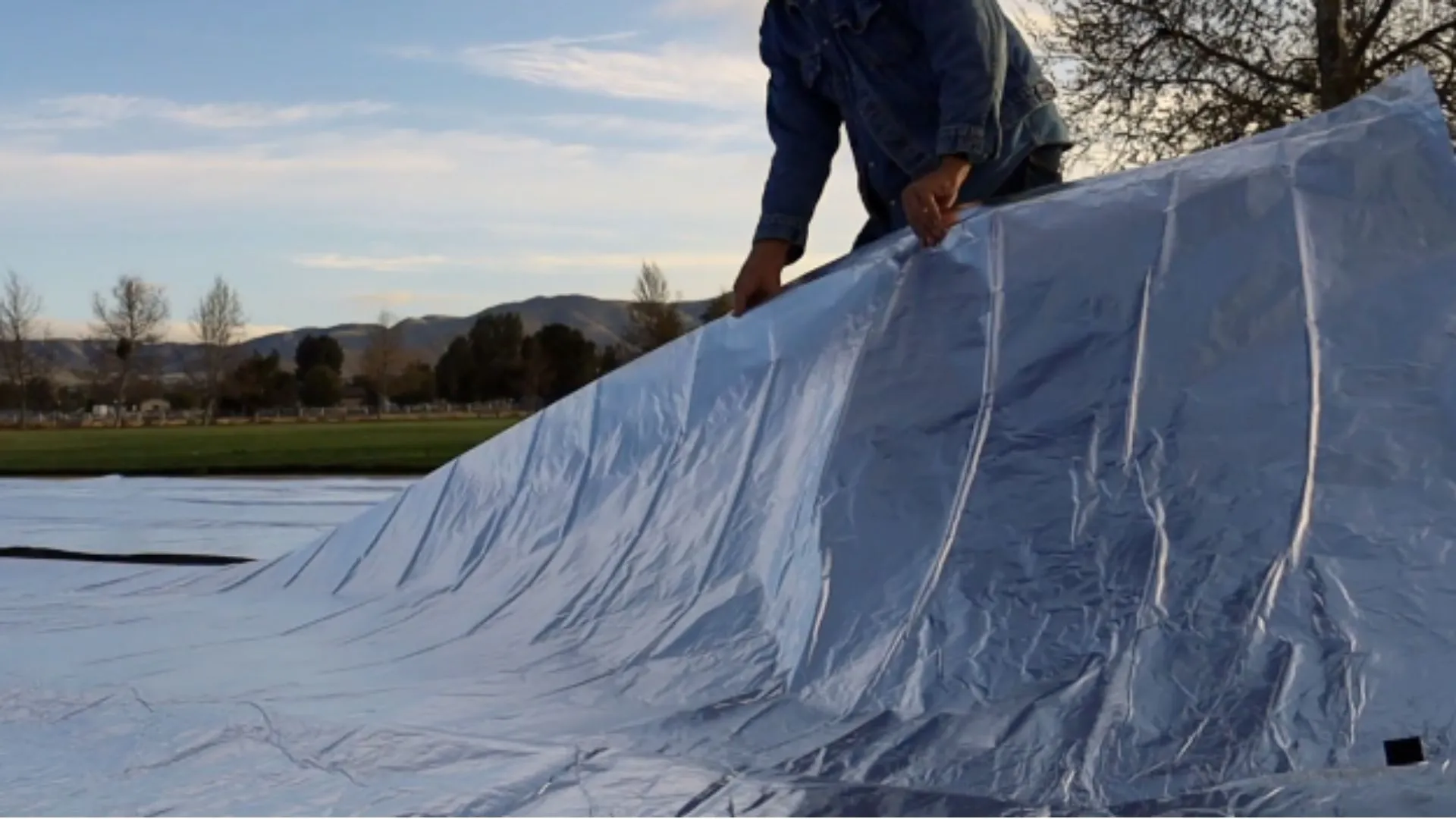

Here’s a surprising fact: most homes lost in wildfires aren’t destroyed by a giant wall of flames. The real culprit? Tiny, wind-blown embers that can travel for miles and land on your roof or in your vents. This is why a complete barrier is non-negotiable. While an emergency fire wrap for homes is a great concept, the material must defeat two distinct threats: a constant ember attack and intense radiant heat. A simple fire blanket won’t cut it. A professional fire shield home system, however, is engineered for this exact challenge. Its reflective aluminum surface deflects heat while the seamless barrier stops embers cold, protecting your home’s most vulnerable spots.
Key Takeaways
- Choose the Right Tool for the Job: A professional fire shield is an engineered system that reflects radiant heat and blocks embers to protect an entire structure, whereas a fire blanket is only designed to smother a small kitchen fire.
- Think Beyond a Single Product: The most effective wildfire defense combines a professional fire shield with home hardening tactics like creating defensible space and using fire-resistant construction materials.
- Invest in Proven Performance: A reliable fire shield system depends on high-quality, heat-reflective materials and professional installation to ensure it stays in place and provides a complete barrier against embers during a fire.
Fire Shield vs. Fire Blanket: Which Protects Your Home?
When you’re looking for ways to protect your home from a wildfire, you’ll likely come across the terms “fire blanket” and “fire shield.” It’s easy to assume they’re the same thing, especially since the media often uses the terms interchangeably. But the difference between them is critical—one is a small tool for kitchen flare-ups, and the other is an engineered system designed to save your home. Let’s clear up the confusion so you can make an informed decision about your property’s defense.
What’s the Difference in Technology?
A fire blanket is typically a small sheet of fire-retardant material, like fiberglass, designed to smother a small, contained fire, such as one on a stovetop. It’s a great tool to have in your kitchen, but it’s simply not built to handle the scale or intensity of a wildfire. A fire shield, on the other hand, is a completely different class of technology. Engineered fire shields are made from advanced, aluminum-based materials designed to reflect over 95% of radiant heat away from your home. They also create a barrier that blocks embers and burning debris from igniting vulnerable areas like roofs, walls, and windows.
Understanding Fire Blanket Capabilities and Limitations
To really grasp why a fire blanket isn’t suitable for home defense, it helps to look at exactly what they’re designed to do—and what they’re not. Their construction and intended use are perfect for specific, small-scale emergencies, but those same features become critical failures when faced with the power of a wildfire. The core limitations come down to how they handle heat and their unsuitability for protecting a large structure.
Heat Resistance and Mechanism
A fire blanket works by smothering a small fire, cutting off its oxygen supply. It’s made from fire-retardant material, like fiberglass, that’s designed to absorb heat on a very small scale. This makes it a fantastic tool for handling a grease fire on your stovetop. However, a wildfire is an entirely different beast. It attacks a home with intense, sustained radiant heat and a relentless storm of embers. A fire blanket’s material isn’t designed to reflect this heat; it absorbs it. In a wildfire scenario, it would quickly become saturated with thermal energy and fail, offering no real protection. It simply can’t handle the heat load or duration of a large-scale fire.
Appropriate Uses vs. Home Protection
It really comes down to using the right tool for the job. You wouldn’t use a garden hose to fight a five-alarm fire, and you shouldn’t use a fire blanket to protect your home from a wildfire. Fire blankets are small, handheld safety devices for immediate, contained emergencies. Attempting to tape a few together to cover a wall or window is completely ineffective. They can’t be secured against the high winds that accompany a wildfire and leave gaps for embers to easily penetrate. In contrast, professional-grade shields are engineered systems designed to cover entire structures seamlessly. They are built to reflect massive amounts of radiant heat and provide a complete, impenetrable barrier against embers, which is why they are trusted by professionals to protect critical infrastructure.
Busting Common Wildfire Protection Myths
One of the most dangerous myths is that any type of wrap can effectively shield a home from wildfire. Some people try DIY methods or purchase low-grade “blankets,” believing they offer real protection. The reality is these solutions often fail. They aren’t designed to withstand the extreme, prolonged heat of a wildfire and can be easily torn apart by the strong winds that accompany these events. Unlike these flimsy alternatives, professional-grade shield systems are built for durability and secured to withstand harsh conditions, ensuring they stay in place when you need them most. True protection comes from technology specifically designed for the job.
Why Firefighters Trust Fire Shields, Not Blankets
When it comes to protecting invaluable assets, professionals don’t take chances. For over two decades, organizations like the US Forest Service and professional firefighting crews have trusted FireFoil to safeguard everything from historic cabins to critical infrastructure. They choose fire shields because the technology is proven to work under the most extreme conditions. These shields have a track record of keeping structures standing through severe fire events without needing water or chemical retardants. This level of reliability is why professionals depend on engineered shields, not simple fire blankets, to defend against wildfire.
How Does a Professional Fire Shield Work?
When a wildfire approaches, a home faces two primary threats: intense radiant heat and a shower of burning embers. Professional fire shields are engineered to counter both of these dangers directly, providing a critical layer of defense when it matters most. It’s important to understand that this is a specialized technology, completely different from a fire blanket. While a fire blanket might be useful for a small kitchen fire, it is not designed or able to protect an entire structure from a wildfire. A professional fire shield system, on the other hand, is a proven technology specifically created for this purpose. Here’s a breakdown of how these systems protect your property.
Reflecting Radiant Heat Away From Your Home
One of the most destructive forces in a wildfire is something you can’t even see: radiant heat. This is the intense energy that travels from the flames, and it can be hot enough to ignite your home even without direct contact. Professional fire shields are made with a specialized, aluminum-based material designed to act like a mirror. This surface reflects more than 95% of the radiant heat away from your home, preventing the exterior walls and roof from reaching their ignition point. It’s a principle trusted by professional firefighters and the US Forest Service to protect critical infrastructure, and it’s the first line of defense in keeping your home safe from the overwhelming heat of a nearby blaze.
Blocking Embers Before They Ignite
Did you know that the majority of homes lost in wildfires are ignited by embers? These small, burning pieces of debris can be carried by the wind for miles, long before the main fire front arrives. They land on roofs, get lodged in vents, and collect in gutters, where they can easily start a fire. A professional fire shield creates a complete, sealed barrier against this threat. By covering the vulnerable surfaces of your home, the shield physically blocks embers from making contact. This prevents them from finding a foothold and igniting a new fire, effectively neutralizing one of the most common ways that homes are destroyed during a wildfire event.
What Can a Fire Shield Really Do?
While incredibly effective, it’s important to have realistic expectations. A professional fire shield is designed to provide temporary, short-term protection as a wildfire front passes. It is not intended to withstand prolonged, direct contact with flames. Think of it as a crucial component of a larger wildfire defense strategy, not a standalone solution. Its performance is maximized when used alongside other preparedness measures, like creating defensible space around your property. Understanding how different shield materials are used for different parts of your home is key to building a system that offers the best possible protection for your specific situation. This technology gives your home a fighting chance against the specific threats a wildfire presents.
What Makes a Great Fire Shield System?
Choosing a fire shield system is a significant decision, and it’s important to know what separates a proven, professional-grade solution from the rest. Not all systems are created equal, and the right one will have specific features designed to stand up to the extreme conditions of a wildfire. When you’re evaluating your options, you’re not just buying a product; you’re investing in a critical layer of defense for your home. It’s about finding a system with the right materials, proven performance, and a proper installation process to ensure it works when you need it most. Here’s a breakdown of the key factors to consider so you can make an informed choice.
Understanding Heat Resistance and Ratings
The primary job of a fire shield is to manage the incredible radiant heat generated by a wildfire. This invisible energy is what can cause homes to ignite even before flames arrive. The most effective systems are designed to act like a mirror, reflecting that heat away from your home. Look for shields that can reflect over 95% of radiant heat. This high level of reflectivity is what keeps the surface of your home from reaching its ignition temperature. A system’s ability to block embers and burning debris is just as critical, as these are a leading cause of home loss during wildfires.
Look for High-Quality, Durable Materials
A fire shield is only as good as the materials it’s made from. The system you choose needs to be non-combustible and built to withstand severe fire events without failing. Look for durable, high-quality materials, like the aluminum-based technology used in FireFoil’s professional-grade shields. The material should not only reflect heat but also be strong enough to resist tearing or damage from high winds and flying debris that often accompany a wildfire. This durability ensures the shield maintains its protective integrity when conditions are at their worst, providing a reliable barrier between the fire and your home.
Checking for Certifications and Endorsements
When you’re choosing a system to protect your home, look for proof that it’s trusted by the experts. In high-stakes situations, you want a solution with a proven track record, not just marketing claims. For over two decades, professional organizations like the US Forest Service and firefighting crews have relied on professional-grade fire shields to protect everything from historic landmarks to critical infrastructure. They choose systems that have been tested and validated in real-world fire events. This kind of endorsement from professionals who face wildfires firsthand is one of the strongest indicators of a product’s reliability and effectiveness, showing it’s a technology they trust to perform under the most extreme pressure.
Manufacturing and Product Guarantees
The performance of a fire shield comes down to the quality of its construction. A reputable system will be made from non-combustible, industrial-grade materials specifically engineered to withstand the dual threats of radiant heat and embers. The manufacturer should be transparent about what their product is made of and how it performs. For example, a top-tier shield should be able to reflect over 95% of radiant heat. Ask for performance data and look for a company that stands behind its product. A solid guarantee and clear information about the materials and manufacturing process are signs that you’re investing in a durable, high-quality system designed for serious protection.
How Much Coverage Does Your Home Need?
Every property is unique, with different points of vulnerability. Before selecting a system, you need to understand your specific coverage needs. Are there large glass windows, wooden decks, or complex rooflines that require special attention? An effective defense plan involves identifying these high-risk areas and ensuring your shield system can protect them. FireFoil offers a range of shield sizes and strengths to cover everything from large roof surfaces to smaller, more intricate architectural details. A professional can help you conduct a thorough assessment to determine the right amount and type of coverage for your home’s specific layout and risk profile.
Why Professional Installation is Non-Negotiable
Even the best fire shield technology will be ineffective if it isn’t installed correctly. Proper installation is absolutely critical to creating a seamless barrier against heat and embers. Think of it like a high-tech raincoat—if it’s not zipped up all the way, you’re still going to get wet. Professionals are trained to apply the shields to eliminate gaps where embers could penetrate, especially around corners, vents, and eaves. They understand how to secure the system so it holds up against powerful winds. This is not a DIY project; relying on experienced installers ensures your fire shield performs exactly as it was designed to.
Breaking Down the Cost and Value of a Fire Shield
Protecting your home from wildfire is a significant decision, and it’s natural to have questions about the financial side of things. A professional-grade fire shield system is an investment in the safety and security of your property. While the upfront cost is a key consideration, it’s also important to look at the long-term financial benefits, from potential insurance savings to the ultimate value of keeping your home standing. Let’s break down what you can expect when you invest in a system like FireFoil and how it pays off over time. This isn’t just an expense; it’s a crucial part of a comprehensive defense plan that provides both protection and peace of mind when you need it most.
What’s the Upfront Cost?
When you’re looking at professional fire shields, the cost is typically calculated by the square foot. While prices vary, a general estimate is around $1 per square foot, with many homeowners spending under $5,000 for a complete system. The final price depends on the size of your home and the specific products and materials needed to cover vulnerable areas like roofs, walls, and architectural details. Think of this not as a simple purchase, but as a capital improvement that directly protects the value of your largest asset. Many find it helpful to view this cost in the context of what’s at stake—the entire value of their home and belongings.
Don’t Forget Professional Installation Costs
A fire shield is only as effective as its installation. This is not a DIY weekend project; proper deployment requires expertise to ensure every seam is sealed and every vulnerability is covered. Professional installation costs can add several thousand dollars to the total, depending on your home’s size and architectural complexity. For example, one homeowner reported it took a team of four contractors over 12 hours to properly wrap their home. This highlights why trained professionals are essential—they have the experience to deploy the shield system correctly and efficiently, ensuring it performs as designed when a wildfire threatens your property.
How It Pays for Itself Over Time
The real value of a fire shield system becomes clear when you consider the alternative. The cost of the system is a fraction of the cost of rebuilding your home and replacing everything in it. Beyond the immense financial protection, there’s the invaluable peace of mind that comes from knowing you have a professional-grade defense in place. This proactive step can also have other financial benefits. In areas where wildfire risk is high, having a proven shield system can make it easier to secure homeowners insurance and may even help you qualify for lower premiums, turning a protective measure into a sound financial decision.
Could a Fire Shield Lower Your Home Insurance?
In many wildfire-prone regions, finding affordable and reliable homeowners insurance is becoming increasingly difficult. Some homeowners are even being dropped by their carriers. Installing a professional fire shield system can directly address this challenge. By demonstrating that you’ve taken serious steps to mitigate risk, you make your property a more attractive prospect to insurers. This can be the deciding factor in getting coverage or keeping the policy you have. Furthermore, protecting your home with a proven system helps maintain its property value, especially for high-value homes or those in areas where insurance is scarce. It’s an investment that safeguards your equity.
Finding the Right Fire Protection for Your Home
Choosing the right wildfire protection for your home isn’t a one-size-fits-all decision. It’s about creating a smart, layered defense that’s tailored to your specific property, environment, and risk level. Instead of looking for a single magic bullet, the best approach is to carefully consider a few key factors. By taking a clear-eyed look at your situation, you can make an informed choice that gives you real peace of mind when fire season arrives. Let’s walk through the essential steps to figure out what level of protection makes the most sense for you.
Start by Assessing Your Property’s Needs
Start by taking a detailed look at your home’s construction. Every house has unique vulnerabilities. Do you have large glass windows, wooden decks, or attic vents where embers could easily enter? These are critical areas to protect. If your home already has some fire-resistant features like a metal roof or stucco siding, you might focus your efforts. As some homeowners have found, it can be effective to use a fire shield just for windows, doors, and vents to block embers and intense heat. The goal is to identify the weakest points in your home’s exterior and prioritize shielding them from the primary threats of a wildfire.
Factor in Your Local Climate and Terrain
Your home doesn’t exist in a vacuum. The surrounding landscape plays a huge role in how a wildfire might behave. Consider the topography—fires tend to move faster uphill. Think about the vegetation around you. A home surrounded by dense forest faces a different threat than one with a well-maintained, clear perimeter. These factors determine the potential intensity of a fire. In an environment with heavy fuel loads, a fire can generate incredible radiant heat. That’s why you need a shield designed to handle it. FireFoil’s technology, for instance, is engineered to reflect over 95% of radiant heat, providing a critical defense when a fire is burning nearby.
Always Check Your Local Building Codes
Before you make any decisions, it’s always a good idea to get familiar with your local regulations. Many communities in high-risk areas have specific building codes for wildfire protection, especially for new construction or major renovations. Your local fire department or building authority is the best resource for this information. They can provide guidance on what materials and methods are recommended or required in your zone. Planning with fire safety in mind from the start not only ensures you’re compliant but also helps you integrate your defenses seamlessly into your home’s design. Following these established safety standards is a fundamental step in responsible homeownership in wildfire country.
How to Evaluate Your Home’s Wildfire Risk
Finally, get a clear understanding of your property’s specific wildfire risk level. Is your home located in the Wildland-Urban Interface (WUI), where development meets wilderness? What is the history of wildfires in your area? You can often find risk assessment maps and resources through your state’s forestry or fire protection agency. Understanding your risk helps you appreciate why professional-grade protection is so important. While some temporary solutions might only be effective for a few minutes of exposure, a wildfire is an unpredictable and often sustained event. Investing in a proven system trusted by professionals like the US Forest Service ensures your home is protected by technology designed for real-world wildfire conditions.
What to Expect During Professional Installation
Opting for a professional fire shield system is a significant step in protecting your home, and the installation is where the technology truly comes to life. Unlike a DIY project, professional installation is a precise, strategic deployment handled by a trained crew. They understand how to maximize the shield’s effectiveness and ensure it’s secured to withstand the intense conditions of a wildfire. Knowing what the process involves can help you feel prepared and confident in your decision. From preparing your property to the final inspection, a professional team handles the details so your shield performs exactly as it should when it matters most.
How to Prepare Your Property for Installation
Before the installation crew arrives, you can take a few simple steps to make the process smoother and more effective. First, clear the immediate perimeter of your home. This means moving patio furniture, grills, planters, and any other flammable items away from the structure. This not only helps the installers work more efficiently but also reduces the amount of fuel near your home. It’s also a great time to double-check that your defensible space is in good shape. Having a clear plan and communicating with the installation team about access points and any specific areas of concern will ensure everyone is on the same page.
What Happens on Installation Day?
When the installation team arrives, they’ll begin by methodically deploying the fire shields to cover your home’s most vulnerable surfaces. The process is designed for temporary, short-term protection specifically during the passage of a fire front. Crews typically start with large surface shields for the roof and facades, as these areas face the greatest exposure. These shields are engineered to reflect over 95% of radiant heat and create a barrier that blocks embers and burning debris from igniting your home. Next, they use narrower, more flexible rolls to meticulously wrap and seal edges, vents, eaves, and other complex architectural details where embers could otherwise penetrate.
Our Commitment to Safety Standards
A key benefit of professional installation is the crew’s adherence to strict safety and performance standards. These technicians are trained to work quickly and safely, often in high-stress situations where a wildfire threat is imminent. They use specialized equipment and proven techniques to anchor the shields, ensuring they remain secure against the powerful winds that often accompany a wildfire. This isn’t just about covering a house; it’s about creating a seamless, airtight barrier that won’t fail under pressure. Their expertise ensures every gap is sealed and the shield system functions as a complete, integrated defense for your home.
Simple Steps to Maintain Your Fire Shield
Because fire shields are designed for temporary deployment, what happens after the fire threat passes is just as important as the installation itself. Once the danger is clear, the professional crew can return to carefully remove, inspect, and store the shield materials. Proper removal prevents damage to your home and the shields, preserving them for future use. The team will inspect each panel for wear and tear, as strong winds can compromise the material if it wasn’t perfectly secured. This professional oversight ensures your investment remains ready and reliable for the next time you need it. You can explore the different material strengths and options to find the right fit for your property’s needs.
A Look at Other Wildfire Protection Methods
A professional fire shield provides unparalleled protection for your home’s structure, but it works best when it’s part of a complete wildfire defense strategy. The most resilient properties use a layered approach, combining multiple methods to reduce their overall risk. This starts with “home hardening”—the process of making your house and the area around it fundamentally less vulnerable to fire.
Wildfires threaten homes in three primary ways: through direct contact with flames, from the intense radiant heat of a nearby fire, and, most commonly, from wind-blown embers that can travel a mile or more ahead of the fire itself. A comprehensive plan addresses all three of these threats. By taking proactive steps to manage your property, you can slow a fire’s spread, reduce its intensity, and eliminate the weak spots where embers could ignite your home. This isn’t about choosing just one solution; it’s about creating a robust, multi-faceted defense system. Taking control of the variables you can manage—from your roofing material to the plants in your garden—is the foundation of effective wildfire protection.
Option 1: Fire-Resistant Building Materials
The materials your home is built from are your first defense against ignition. Using fire-resistant construction is a fundamental part of home hardening. As one homeowner advises, “Use a Class A roof or a metal roof. Avoid wood shingles. Use double-pane windows. Avoid wood siding. Good choices include concrete, metal, stucco, or adobe.” These materials don’t just resist flames; they address specific wildfire threats. For instance, a metal roof prevents airborne embers from igniting your home from the top down. Stucco and concrete siding are non-combustible, and double-pane windows provide crucial insulation against intense radiant heat, making them less likely to shatter and allow embers inside. Even small details, like covering vents with fine metal mesh, can prevent embers from entering your attic or crawlspace.
Option 2: Creating Defensible Space
Defensible space is the managed buffer you create between your home and the surrounding landscape. This area is crucial for slowing a wildfire’s approach and reducing its intensity. The goal is to eliminate a direct path for flames to reach your house. A great starting point is to “keep plants and other flammable materials clear at least 5 feet away from your house.” This immediate, non-combustible zone is critical. Beyond that, you can create zones of defense by thinning trees, removing dead vegetation, and choosing fire-resistant landscaping. Regularly cleaning gutters, clearing dead leaves from your roof, and moving woodpiles away from the structure are simple but highly effective tasks. Creating defensible space gives firefighters a safer area to work and significantly lowers the chance of your home igniting.
Option 3: Exterior Sprinkler Systems
Exterior sprinkler systems can add another layer of protection by wetting your home and the immediate surroundings, which can help prevent ignition from flying embers. Unlike standard irrigation, these systems are often more powerful and may be portable. Some models “can spray water in a full circle up to 100 feet,” allowing you to target your roof and other vulnerable areas. While effective at increasing humidity and dousing small embers, it’s important to understand their limitations. These exterior sprinklers depend on a consistent water supply and power source, both of which can be compromised during a major wildfire event. They are best viewed as a supplementary tool within a larger defense plan, rather than a standalone solution for protecting your home from intense flames or radiant heat.
Option 4: Fire-Retardant Gels
Fire-retardant gels are a unique, short-term defense that can be applied to your home’s exterior just before a wildfire approaches. When mixed with water, these superabsorbent polymer gels create a thick, wet coating that clings to surfaces. As one product, Barricade Fire Gel, explains, it “creates a ‘wet blanket’ that stops flames, heat, and smoke from damaging your home.” The gel’s high water content absorbs heat and can help repel flames for several hours. However, their effectiveness is temporary and depends entirely on timely application, which can be extremely challenging in a stressful, fast-moving evacuation scenario. They are a last-minute defensive measure and must be washed off after the threat has passed to prevent damage to your home’s surfaces.
Option 5: Liquid Fire-Retardant Treatments
Sprays and Coatings for Different Materials
Another approach to home hardening involves applying liquid fire-retardant treatments directly to various materials on your property. These are chemical sprays or coatings designed to reduce the flammability of the items they cover. Their main advantage is versatility; you can find products formulated for a wide range of surfaces. For example, specialized treatments exist for wood siding, shingles, natural and synthetic fabrics, and even dry grass or leather. The idea is to create a less combustible environment by treating potential fuels before a fire arrives. Companies like Universal Fire Shield offer a variety of these products for both residential and commercial use, allowing you to target specific vulnerable materials around your home.
Performance and Duration of Liquid Treatments
While treating surfaces can reduce their flammability, it’s important to understand the performance limitations of these liquids. Their effectiveness can degrade over time due to exposure to sunlight and weather, often requiring reapplication to maintain protection. More importantly, a chemical treatment doesn’t provide a physical barrier against a barrage of embers, nor does it address the primary threat of radiant heat. A great fire shield is engineered from non-combustible materials designed to reflect over 95% of radiant heat, which is what prevents your home’s exterior from reaching its ignition temperature. Liquid treatments absorb heat rather than reflect it, offering a fundamentally different and less comprehensive level of defense against the intense, sustained conditions of a wildfire.
Build Your Complete Wildfire Defense Plan
A professional fire shield is a powerful tool for protecting your home, but it’s most effective as part of a comprehensive wildfire defense plan. Think of it as your structure’s last line of defense, supported by proactive measures you take long before a fire is on the horizon. Creating a complete strategy involves layering your defenses, preparing for the season, and having a clear emergency plan. This approach gives you the best possible chance of safeguarding your property and, more importantly, your family. By combining a high-quality shield with smart preparation, you can face wildfire season with confidence, knowing you’ve done everything possible to be ready.
Why a Layered Defense is Your Best Bet
No single product can make a home completely fireproof. The best approach is to create multiple layers of protection that work together to reduce your risk. This starts with creating defensible space by clearing flammable vegetation away from your home. Inside that buffer, your home itself becomes the next layer. Using fire-resistant building materials for roofing and siding can make a huge difference. The final, critical layer is a professional-grade shield. FireFoil shields reflect over 95% of radiant heat and block embers from igniting your home. This professional-grade protection, trusted by firefighters, is designed to work in concert with your other preparations to give your home a fighting chance.
Your Checklist for Fire Season Prep
Getting ready for wildfire season is an ongoing process, not a one-time task. Each year, before the risk becomes high, walk your property to clear dead leaves from gutters and away from the foundation. Trim back tree branches that overhang the roof and ensure all vents are covered with fine metal mesh to block embers. This is also the time to review your fire shield deployment plan. Because a shield is most effective when a wildfire burns past with an exposure of less than 10 minutes, having a clear and practiced plan is essential. Knowing exactly how and when to deploy it ensures it can do its job when that critical window arrives.
Create a Family Emergency Plan
When a wildfire threatens your area, your personal safety is the top priority. A well-rehearsed emergency plan ensures everyone in your household knows what to do. This plan should include multiple evacuation routes, a designated meeting place, and a communication strategy in case you get separated. Remember that a FireFoil shield is designed to provide temporary, short-term protection during the passage of a fire front. It protects your home so you can focus on evacuating safely. Prepare a “go bag” for each family member with essentials like water, medications, important documents, and changes of clothes, so you can leave quickly when authorities issue an evacuation order.
The Importance of a Maintenance Schedule
Your wildfire defenses are only as strong as their weakest link, which is why regular maintenance is so important. Throughout the year, inspect your home for vulnerabilities. Check your roof for loose shingles, ensure your defensible space remains clear of new growth, and test any exterior sprinkler systems. It’s also crucial to consider the durability of your protective measures. Some temporary roof wraps can be easily torn off by the strong winds that often accompany wildfires, rendering them useless. Investing in a professionally installed, durable fire shield system ensures your protection will hold up under extreme conditions, providing reliable defense when you need it most.
Related Articles
- House Fire Foil Wrap: The Ultimate 2025 Guide
- The Best Aluminized Structure Wrap for Homes in 2025
- How to Deploy a Professional-Grade Fire Shield
- The Essential Structure Protection Wrap Guide
- Buy Aluminized Fire Wrap: The Ultimate Buyer’s Guide
Frequently Asked Questions
Is a fire shield just a bigger version of a fire blanket? Not at all. While the names sound similar, they are completely different technologies designed for entirely different jobs. A fire blanket is a small piece of material meant to smother a contained flame, like a grease fire on your stove. A professional fire shield is an engineered system made from advanced, aluminum-based materials. Its purpose is to reflect over 95% of a wildfire’s intense radiant heat away from your home and create a physical barrier that blocks burning embers from landing on your roof or walls.
Can I install a fire shield system myself? This is definitely a job for the pros. Proper installation is critical for the system to work correctly. A professional crew is trained to create a complete, seamless seal around your home, paying close attention to vulnerable spots like vents, eaves, and corners where embers could get in. They also know how to anchor the shield so it can withstand the powerful winds that often accompany a wildfire, ensuring it stays in place when you need it most.
How long can a fire shield protect my home during a fire? A professional fire shield is designed to provide temporary, short-term protection during the most critical period—the passage of the wildfire front. This intense phase is often surprisingly brief. The shield’s job is to defend your home against the extreme radiant heat and ember storm during that window. It is not designed to withstand hours of direct, continuous contact with flames, which is why it’s one part of a larger defense strategy.
If I have a fire shield, do I still need to worry about defensible space? Yes, absolutely. The most effective wildfire defense is a layered approach, and defensible space is your first line of defense. Clearing flammable vegetation from around your home slows a fire’s spread and lowers its intensity before it even reaches your property. This makes the fire shield’s job easier and more effective. Think of defensible space and a fire shield as two essential components that work together to give your home the best possible protection.
What’s a realistic budget for a professional fire shield system? The cost is a direct investment in protecting your home. The material itself generally runs about $1 per square foot, with many homeowners spending under $5,000 for a complete set of shields. You’ll also need to factor in the cost of professional installation, which can be several thousand dollars depending on your home’s size and complexity. When you consider that this is a fraction of the cost of rebuilding, it becomes a very practical part of a sound financial plan.